I've spent enough hours on 787s between Tokyo and Bangkok to know exactly how long 13 hours in a metal tube actually feels. So when the FAA proposed repealing the 53-year US ban on supersonic flight this month, I wanted to know what it would actually take to change that math.
The answer starts with a rule most travelers have never heard of, a 1968 accident that shattered 200 windows, and an aircraft that just proved the physics have changed.
Why the US Banned Supersonic Flight in the First Place
Supersonic flight over US land has been illegal since 1973. The rule exists for one reason: sonic booms.
When an aircraft crosses Mach 1, it produces a shockwave that reaches the ground as a loud, sudden boom. Regulators in the early 1970s decided that boom was incompatible with populated flight corridors, and they wrote a blanket ban rather than a case-by-case standard.
The 1968 Incident That Shattered 200 Windows
The event that hardened public opinion happened years before the ban. In 1968, a US Air Force Academy flyby produced a sonic boom that shattered roughly 200 windows and injured 12 people on the ground.
That single incident became the cautionary tale regulators cited for decades. It is also the reason the FAA's current proposal spends so much time proving the new generation of aircraft won't repeat it.
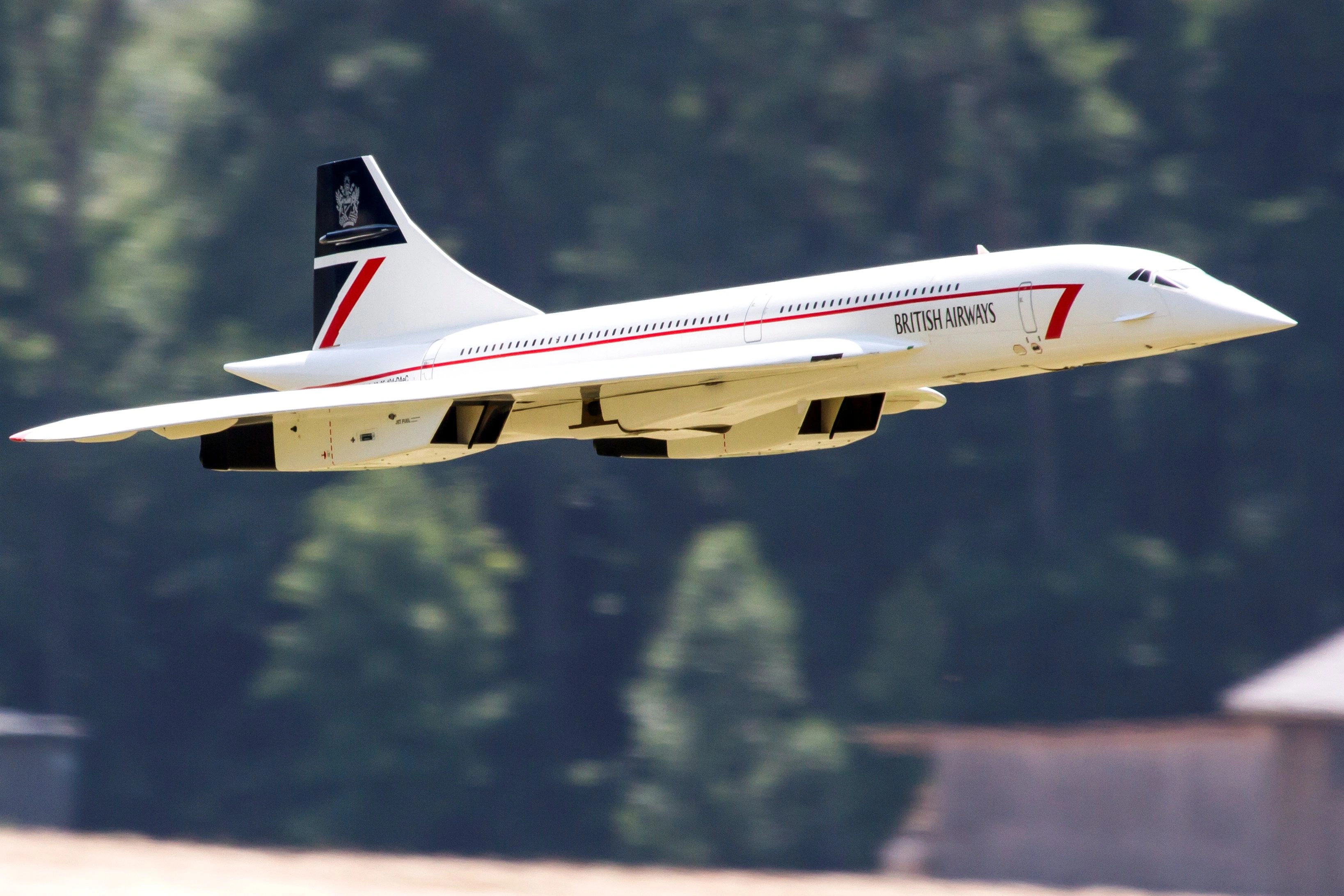
Concorde entered service in 1976, three years after the US ban took effect, but it never actually solved the problem the ban was written to prevent. It flew supersonic exclusively over open ocean on routes like London to New York, because no country would let it boom over populated land at Mach 2.
Only 14 Concordes were ever delivered, to Air France and British Airways, despite early industry hopes for a fleet of 350. The aircraft retired in 2003, and for the next 23 years, nobody had a technical answer that made revisiting the ban worthwhile.
The Rule Behind the Ban: What 14 CFR § 91.817 Actually Says
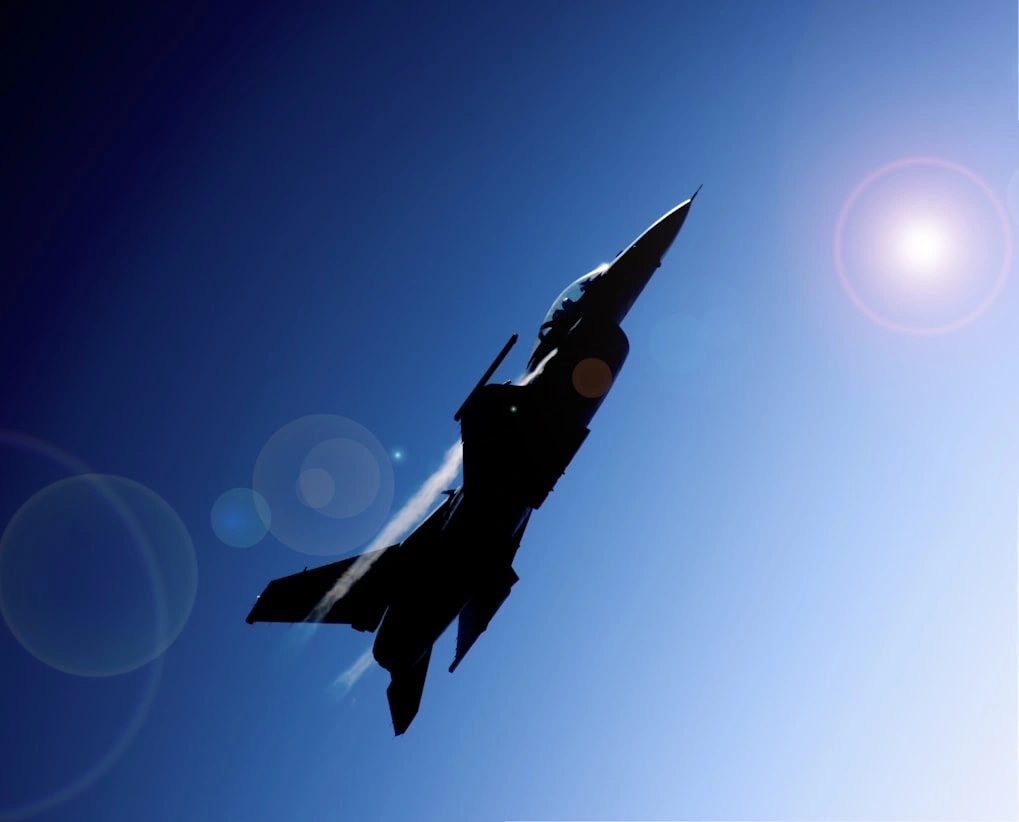
The actual regulation is short, and most people who reference "the supersonic ban" have never read it. It sits at 14 CFR § 91.817, and it prohibits any civil aircraft from exceeding Mach 1 over US land, full stop.
There's no noise threshold, no exception process, and no distinction between a loud boom and a barely audible one. That rigidity is exactly what the FAA now says is outdated.
Here's how the regulatory timeline actually unfolded:
Date | Event |
1973 | FAA enacts 14 CFR § 91.817, banning civil supersonic flight over US land |
June 6, 2025 | Presidential executive order directs FAA to repeal the ban within 180 days |
March 24, 2026 | US House passes H.R. 3410, the Supersonic Aviation Modernization Act, by voice vote |
June 2026 | NASA's X-59 completes test flights breaking Mach 1 |
July 2, 2026 | FAA formally proposes repealing § 91.817 |
August 17, 2026 | Public comment period on the NPRM closes |
Mid-2027 | FAA's stated target to finalize the new rule |
Nothing on that list has made supersonic flight legal yet. It has made repeal, for the first time in 53 years, an active regulatory process rather than a permanent wall.
What the FAA Just Proposed and What Changes
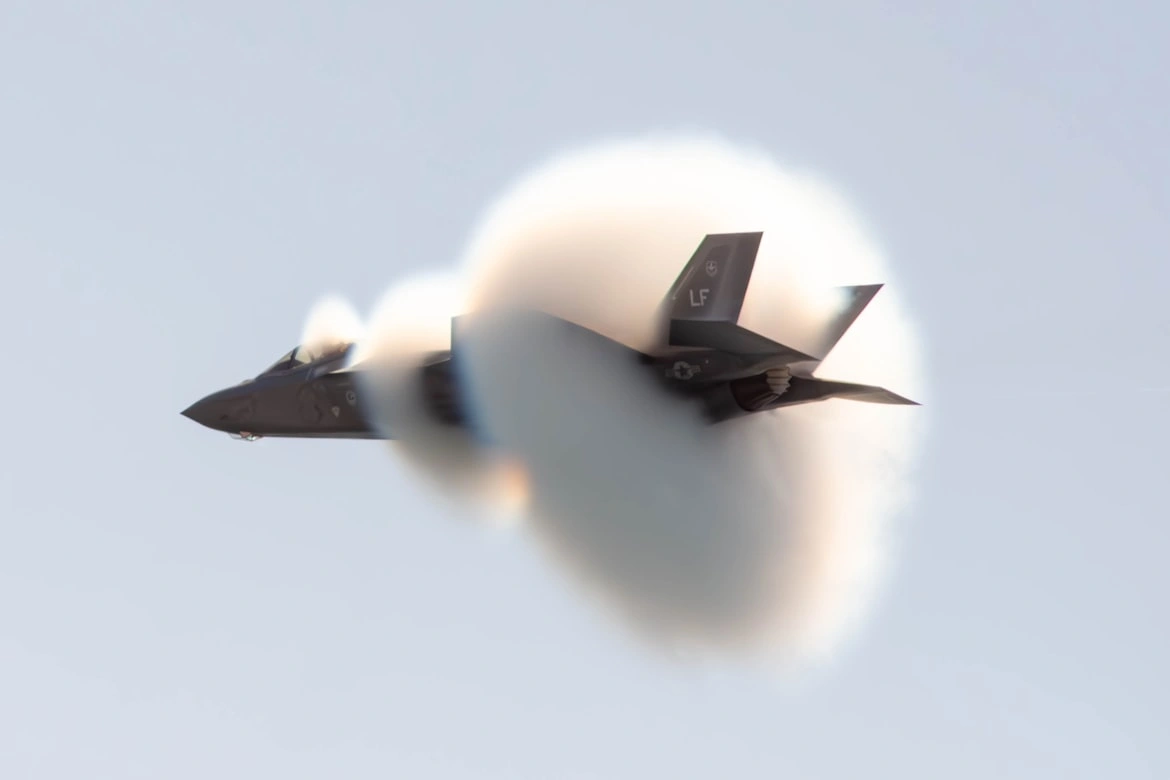
On July 2, 2026, the FAA published a Notice of Proposed Rulemaking to repeal the blanket ban entirely. In its place, the agency proposed a noise-based standard: aircraft could fly supersonic over land as long as the resulting boom stays under a specific overpressure limit at ground level.
This is a fundamentally different regulatory approach. Instead of banning the behavior (flying faster than sound), it regulates the outcome (how loud the boom is when it reaches the ground).
The New Noise Threshold, Explained
The proposed limit is 0.11 pounds per square foot (psf) of overpressure at the surface. For context, a traditional Concorde-era sonic boom could exceed 1.0 psf, loud enough to be startling from the ground.
At 0.11 psf, the goal is a boom quiet enough that it doesn't register as a disruptive event, closer to distant thunder than a window-rattling crack. The full text of the FAA's proposed rule is published in the Federal Register, and whether that noise threshold holds up outside of controlled test flights is exactly what the public comment period, open through August 17, 2026, is meant to evaluate.
That comment period isn't just a formality for airlines and manufacturers. Residents near flight corridors and noise-advocacy groups have historically been among the most active commenters on FAA rulemakings like this one, and their input is a core part of what determines whether the 0.11 psf threshold survives review unchanged.
NASA's X-59 and the Quiet Supersonic Breakthrough
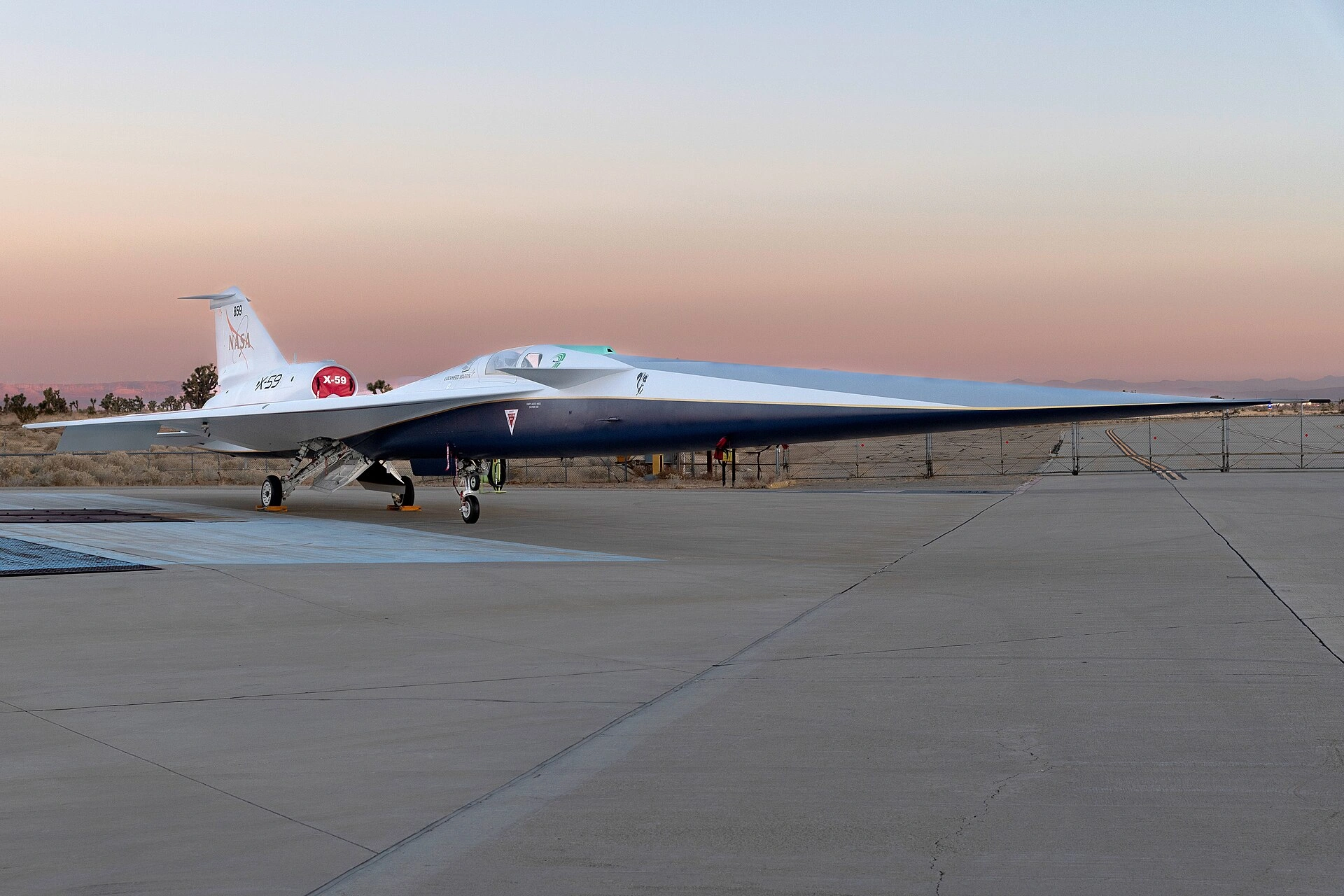
The regulatory proposal didn't happen in a vacuum. NASA's X-59 experimental aircraft, built by Lockheed Martin's Skunk Works, first flew in October 2025 and broke the sound barrier for the first time on June 5, 2026, reaching Mach 1.077 (713 mph) at 43,400 feet.
A week later, on June 12, 2026, it flew its first "mission conditions" test at Mach 1.4 and 55,000 feet. That's the exact speed and altitude NASA says it will use when it eventually flies the aircraft over US communities to measure how people perceive the quiet thump on the ground.
The entire design premise of the X-59 is a shockwave shaped so it never coalesces into a single loud crack, producing a soft thump instead of one boom. That's the same acoustic principle behind the FAA's proposed 0.11 psf threshold, which is why frequent flyers watching this story should pay as much attention to the aircraft as to the paperwork.
Here's how the X-59 stacks up against Concorde and the commercial aircraft now hoping to follow it:
Aircraft | Status | Top speed | Passengers | Noise profile |
Concorde | Retired 2003 | Mach 2.04 | 92-128 | Loud boom, ocean-only |
NASA X-59 | Test aircraft, first supersonic flight June 5, 2026 | Mach 1.4 mission-condition target (55,000 ft) | 1 (pilot only) | Engineered "quiet thump" |
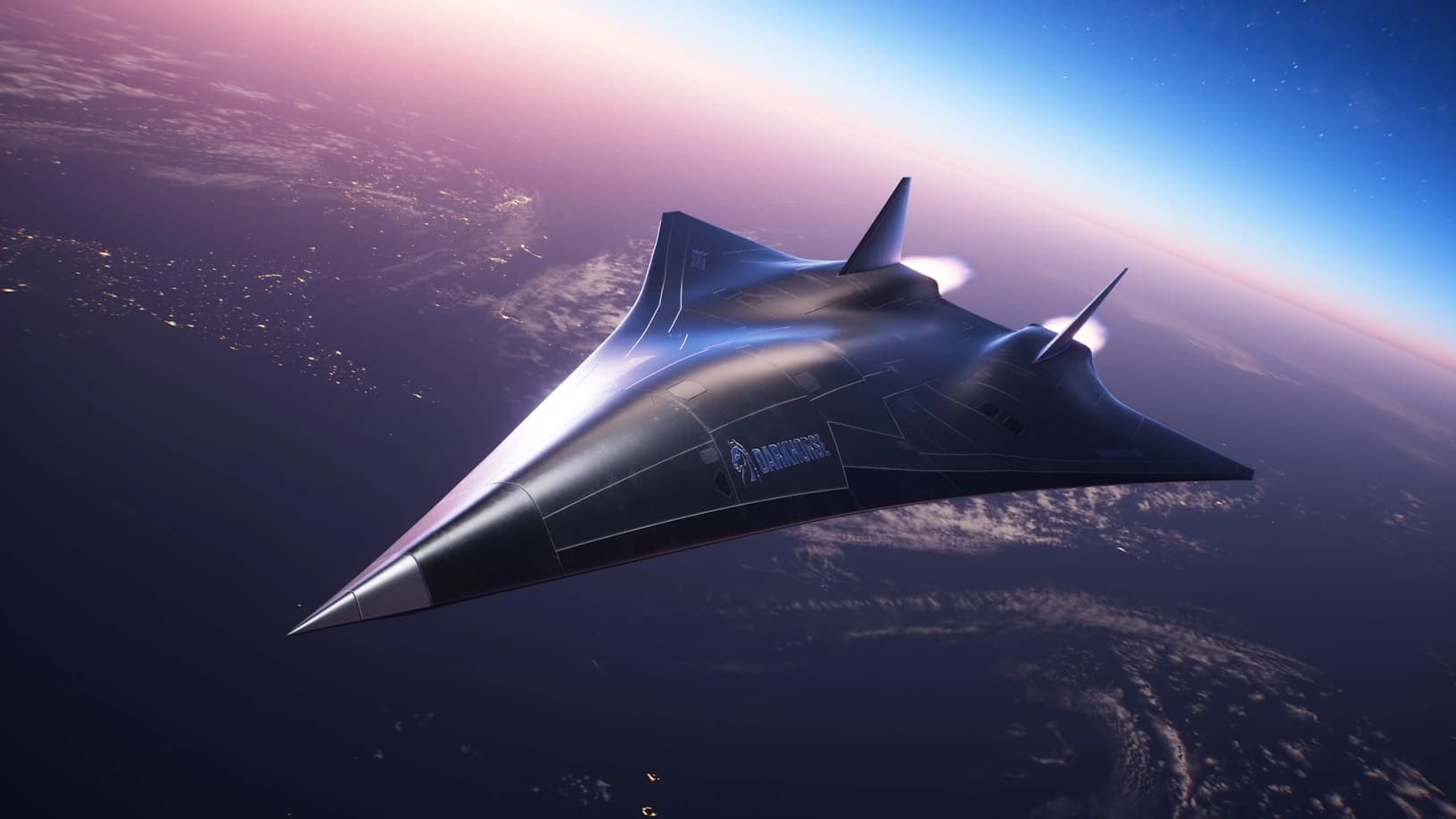
Boom Overture | In development | Mach 1.7 (planned) | 64-80 | Designed for boomless cruise over land |
The X-59 isn't meant to carry passengers. Its entire job is generating the acoustic data the FAA needs to prove a quieter boom standard actually works in the real world, not just in a wind tunnel.
Boom Supersonic and the Race to Commercial Flight
The X-59 is a NASA research aircraft, not a passenger jet. The commercial side of this race belongs to Boom Supersonic, whose Overture aircraft is the company's bet on reviving supersonic passenger travel.
Boom's founder has framed the regulatory shift as clearing a legal path that's been closed for over half a century. His XB-1 demonstrator has already flown above Mach 1, and Overture is designed around the same boomless-cruise principle NASA is testing with the X-59.
Three airlines have already placed conditional orders. United Airlines signed the first agreement in 2021, American Airlines followed with a deposit in 2022, and Japan Airlines has held a partnership with Boom since 2017.
Airline | Commitment | Year signed |
United Airlines | 15 firm orders, option for 35 more | 2021 |
American Airlines | Deposit on up to 20, option for 40 more | 2022 |
Japan Airlines | Strategic partnership, approx. 20 options | 2017 |
That adds up to roughly 130 total orders and options across the industry. It's worth noting these commitments are explicitly conditional on Overture meeting safety, performance, and sustainability requirements, and United's own CEO Scott Kirby has publicly put the odds of Overture actually flying passengers at "50/50."
How This Compares to Concorde
Concorde flew supersonic passenger routes for 27 years before retiring in 2003, but it never solved the noise problem. It was banned from supersonic speeds over land and restricted to ocean routes like London to New York, which is exactly the limitation this new noise standard is trying to eliminate.
If you've researched the economics of modern widebody routing, long-haul aircraft decisions already come down to fuel cost and range math more than raw speed, which is one reason supersonic passenger service stalled for so long after Concorde's retirement. A quieter boom doesn't just change the regulation. It reopens a business case that's been closed since 2003.
Concorde tickets on the London-New York route reportedly sold for roughly five times the standard first-class fare at the time. Overture's backers have talked about pricing closer to today's business class, which would be a meaningfully different commercial proposition than Concorde's ultra-premium niche ever was.
None of that changes the fact that Boom still has to get Overture certified, built, and flying before any of those fares become real. Skepticism from inside the industry, including United's own CEO, is a healthy reminder that conditional airline orders are not the same as a flying, certified aircraft.
Why This Program Is Worth Tracking, Not Just Reading About
This is one of the rare aviation stories where the aircraft itself is more interesting than the press release. The X-59 isn't hidden behind a corporate campus. It's a NASA program, which means test flight schedules, technical milestones, and program updates are publicly documented in a way most commercial aircraft development never is.
For anyone who tracks aircraft the way others track sports scores, this is a program with an actual public paper trail. NASA has published flight data from the subsonic test program that preceded the June 5, 2026 supersonic milestone, and further test flights are expected as the agency gathers ground-level acoustic data to hand off to the FAA's rulemaking process.
That data, not press statements, is what will ultimately decide whether the 0.11 psf standard holds up once more flights happen over more communities. If you're the kind of reader who wants primary sources instead of secondhand summaries, NASA's own aeronautics research pages remain the most direct way to watch this unfold in real time.
What Happens Next the Realistic Timeline
It's worth being precise about where this actually stands, because it's easy to read "FAA proposes ending the ban" as "supersonic flights start soon." They're not the same thing.
Here's what still has to happen, in order:
The public comment period on the NPRM closes August 17, 2026
The FAA reviews comments and works toward finalizing the rule, with a stated target of mid-2027
The Senate still has to act on H.R. 3410, which passed the House in March 2026 and remains pending
Even after the rule finalizes, individual aircraft like Boom's Overture need separate FAA certification before carrying passengers
That last point matters more than any date on the regulatory calendar. A finalized noise rule legalizes the activity. It doesn't certify a specific airplane to fly people across the country, and that process alone typically takes years.
H.R. 3410 is worth watching in its own right. Sponsored by Rep. Troy Nehls and Sen. Ted Budd, the bill would require the FAA to revise its rules within one year of enactment, running on a parallel track alongside the FAA's own NPRM. If the Senate passes it, the two tracks would effectively converge on the same outcome from two different directions, which analysts monitoring the process say could either speed up finalization or add complexity if the final language doesn't match.
Aviation engineering has solved plenty of "impossible" problems before. The industry's own track record on battery-powered aircraft that engineers said couldn't scale to real passenger loads is a good reminder that regulatory and technical breakthroughs rarely arrive on the timeline anyone predicts, in either direction.
It also cuts the other way. Industry analysts who track FAA certification timelines point out that new aircraft types routinely take longer to certify than manufacturers initially project, and Concorde's own history, over 100 speculative options that shrank down to just 14 delivered aircraft, is a reminder that early enthusiasm and final delivery counts are rarely the same number.
If you're the kind of traveler who tracks where to actually watch aircraft like the X-59 up close, this is a program worth following over the next 12 months regardless of how fast the Senate moves.
What This Means If You Fly Long-Haul
For now, nothing changes about your next flight. No route is faster, no aircraft is different, and no ticket costs more or less because of this proposal.
If the rule finalizes and Overture gets certified on a realistic timeline, the first commercial routes will likely be premium-priced and transoceanic, not a replacement for standard economy fares. That mirrors how FAA regulatory changes tend to move slower than headlines suggest, where a rule proposed today can take years to actually change what happens in the cabin.
The FAA has proposed repealing the ban on supersonic flight over US land, which is a real and specific action, not a symbolic gesture. But the honest answer to "when can I book a supersonic ticket" is still measured in years, not months. For everything else happening across US airlines, aircraft programs, and airports, the full story lives at Air Gazette.
Frequently Asked Questions
Is supersonic flight legal in the US right now?
No. The 1973 ban under 14 CFR § 91.817 remains in effect while the FAA's proposed repeal goes through public comment and rulemaking.
When did the US ban supersonic flight?
The FAA enacted the ban in 1973, largely in response to public concern over sonic booms, including a 1968 Air Force Academy flyby that shattered roughly 200 windows.
What is the FAA's new noise standard for supersonic flight?
The proposed rule would cap sonic boom overpressure at 0.11 pounds per square foot at ground level, replacing the current blanket speed ban with a noise-based limit instead.
What is NASA's X-59 aircraft?
The X-59 is a NASA experimental aircraft built by Lockheed Martin designed to break the sound barrier while producing a much quieter shockwave than traditional supersonic aircraft, reaching Mach 1 in June 2026.
Is Boom Supersonic's Overture the same as Concorde?
No. Overture is designed around a quieter sonic boom profile aimed at satisfying land-based noise limits, while Concorde was restricted to ocean routes because it never solved that problem.
When will commercial supersonic flights actually be available?
The FAA aims to finalize its rule by mid-2027, but individual aircraft still need separate certification afterward, so most industry analysts expect early 2030s at the earliest for commercial service.
Does this affect airfares or routes right now?
No. Nothing about current ticket prices, routes, or aircraft has changed as a result of this proposal, since the rule is still in the public comment stage.
Which airlines have ordered Boom Supersonic's Overture?
United Airlines, American Airlines, and Japan Airlines all hold conditional orders or partnerships for Overture, totaling roughly 130 aircraft across firm orders and options, though all commitments remain contingent on the aircraft meeting each airline's requirements.
Was Trump's executive order the reason the ban is being repealed?
Not entirely. A June 2025 executive order directed the FAA to begin the repeal process, but the actual proposed rule was written and published by the FAA itself, and a separate bill, H.R. 3410, is moving through Congress on its own track toward the same goal.