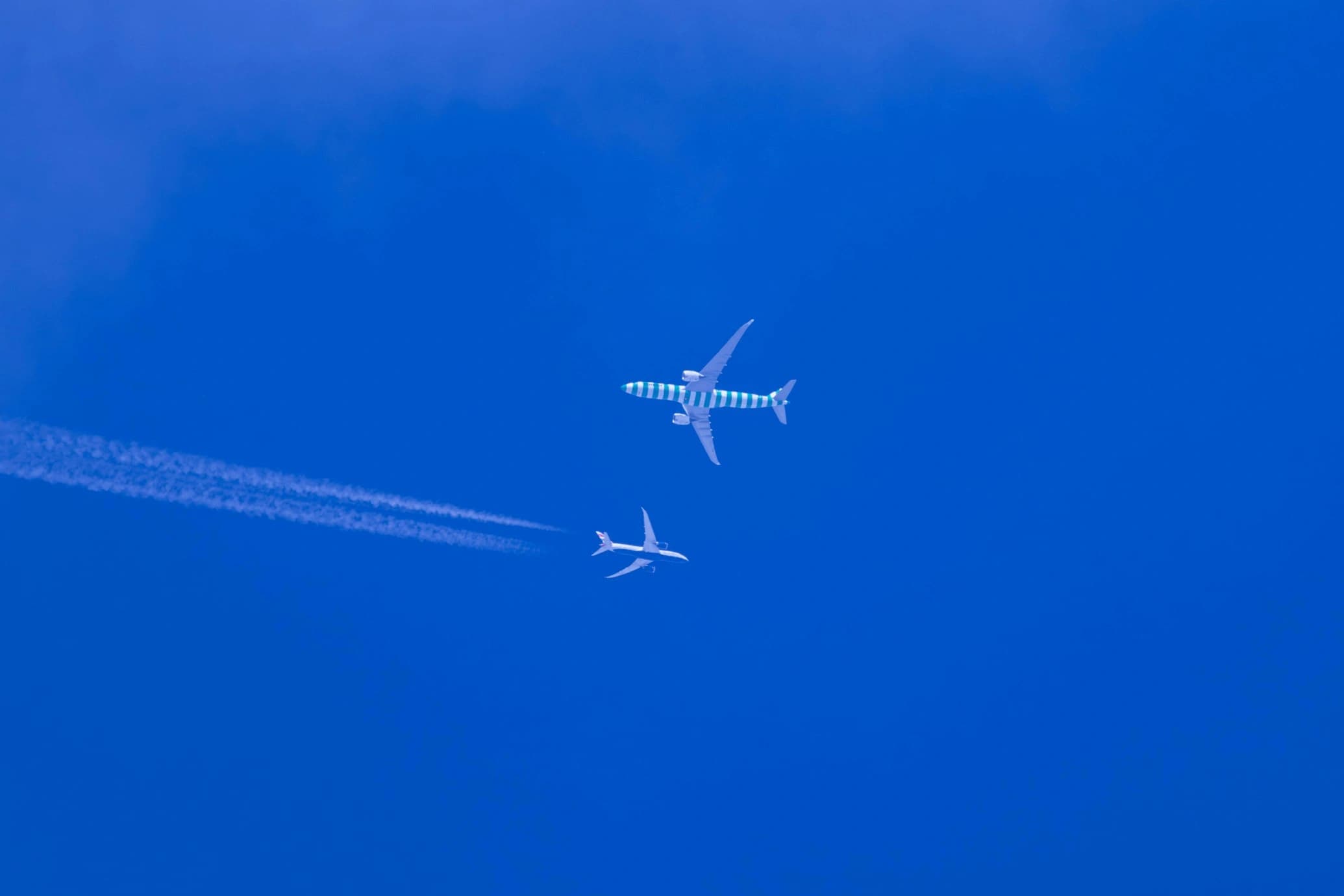
Every time you board a long-haul flight, your aircraft enters a structured vertical grid that determines which altitude it occupies. That grid is legally managed to a minimum of 1,000 feet between adjacent cruising aircraft.
This is the rule that organizes commercial airspace above 29,000 feet. Specifically, it was established in oceanic airspace in 1997, extended to US domestic skies in 2005, and has not been revised since. It is also the same airspace where GPS spoofing events are now sending pilots false position data and where a 1,000-foot margin leaves almost no room for navigation errors. This is how the rule works, what enforces it, and what happens when the margin closes.
What the 1,000-Foot Rule Actually Covers
Reduced Vertical Separation Minima RVSM applies to airspace between Flight Level 290 and Flight Level 410. That band covers roughly 29,000 to 41,000 feet, which is precisely the altitude range where most commercial long-haul aviation operates.
Inside that band, certified aircraft flying at adjacent assigned levels maintain exactly 1,000 feet of vertical distance. Before RVSM, the standard above FL290 was 2,000 feet a buffer calibrated for 1950s altimeter technology, not for modern avionics.
Altitude Band | Vertical Separation | Applies To |
Below FL290 | 1,000 feet | All IFR traffic |
FL290–FL410 | 1,000 feet | RVSM-certified aircraft only |
FL290–FL410 | 2,000 feet | Non-certified aircraft |
Above FL410 | 2,000 feet | All traffic |
Why 2,000 Feet Was the Original Standard
ICAO set vertical separation at 2,000 feet above FL290 in 1958 because aircraft altimeters drifted by several hundred feet under pressure and temperature changes. Consequently, 2,000 feet provided a buffer large enough to absorb those errors without collision risk.
By the 1980s, however, the gap between the old standard and what modern equipment could actually deliver was clear. Therefore, ICAO recommended reduction to 1,000 feet. As a result, the standard was first applied on March 27, 1997, in the North Atlantic oceanic corridor. The FAA's own Aeronautical Information Manual directly states: RVSM airspace is defined as any airspace between FL290 and FL410 inclusive, where eligible aircraft are separated vertically by 1,000 feet a rule the agency has not revised since implementation.
What 1,000 Feet Means at Speed
One thousand feet is less than one nautical mile. At 35,000 feet and 500 miles per hour, an aircraft 1,000 feet above you is close enough that a sustained climb by either aircraft closes the gap in seconds.
The safety case, however, does not rest on that distance being large. Instead, it rests on the precision with which certified aircraft hold their assigned altitude specifically within ±200 feet of altimetry system error which makes the buffer predictable and consistent.
How RVSM Nearly Doubled Available Airspace
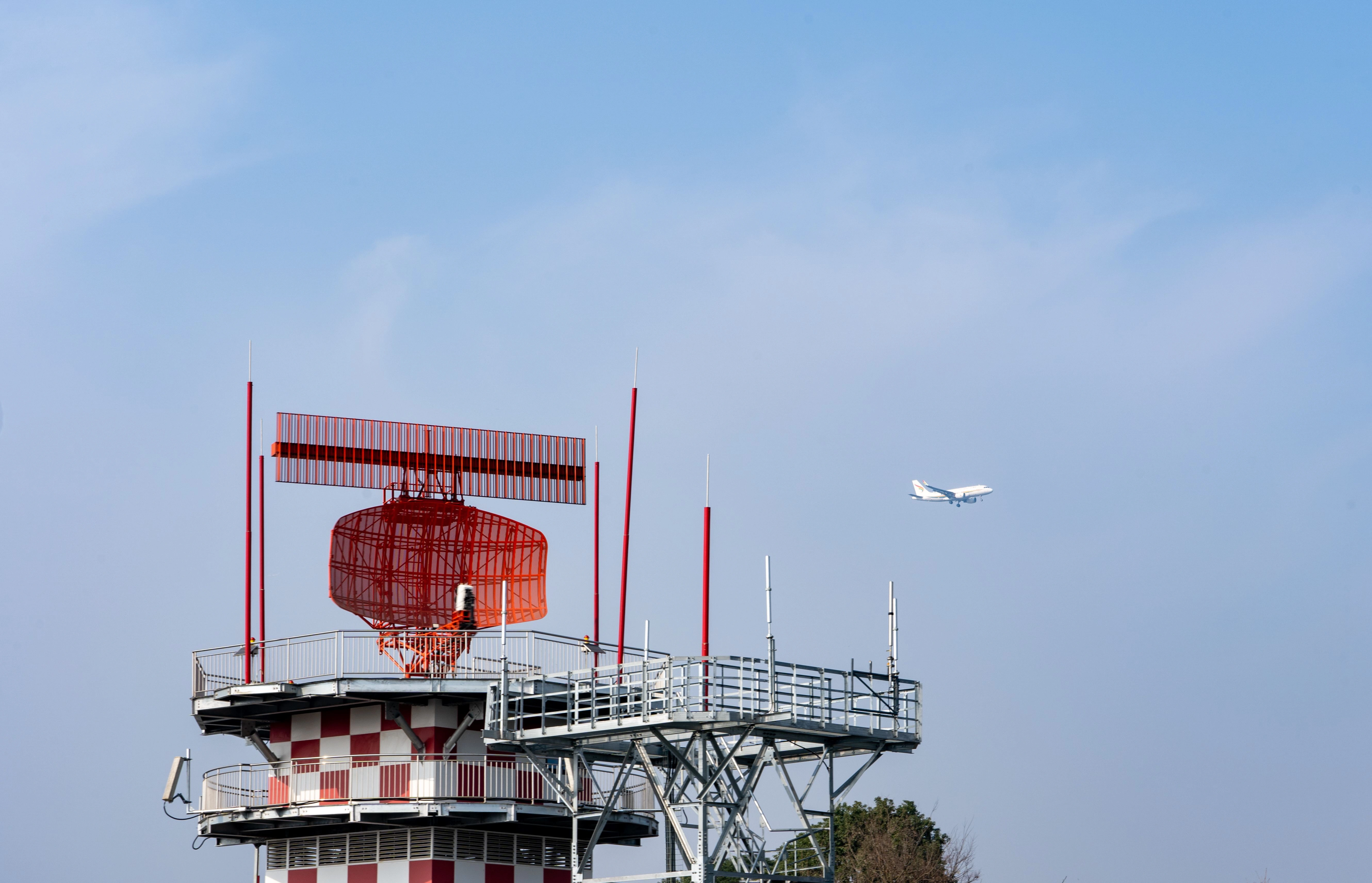
Before RVSM, the band between FL290 and FL410 contained only 6 usable flight levels. That created a structural bottleneck: high demand concentrated into limited altitude options, with constant conflict between aircraft competing for the same fuel-efficient cruise altitudes.
After implementation, the same band held 13 usable flight levels. Furthermore, that near-doubling of vertical capacity allowed airlines to assign optimal cruise altitudes more consistently and significantly reduced conflict load on controllers.
Metric | Pre-RVSM | Post-RVSM |
Usable flight levels (FL290–FL410) | 6 | 13 |
Standard separation above FL290 | 2,000 feet | 1,000 feet |
First implementation (oceanic) | N/A | March 27, 1997 |
US domestic implementation | N/A | January 20, 2005 |
Required altitude tolerance | Not standardized | ±200 feet (altimetry system error) |
The Eight-Year Proving Period
RVSM did not transfer directly from oceanic routes to domestic airspace. Instead, the North Atlantic corridor served as a controlled proving environment for eight full years. Safety regulators tracked altitude-holding performance across thousands of certified flights before the FAA concluded domestic airspace could support the same standard.
As a result, the domestic rule took effect on January 20, 2005. Ultra-long-haul routes such as the 22-hour Qantas Sydney to London flight now operate entirely within RVSM airspace for most of their flight time.
Which Aircraft Are Permitted in RVSM Airspace
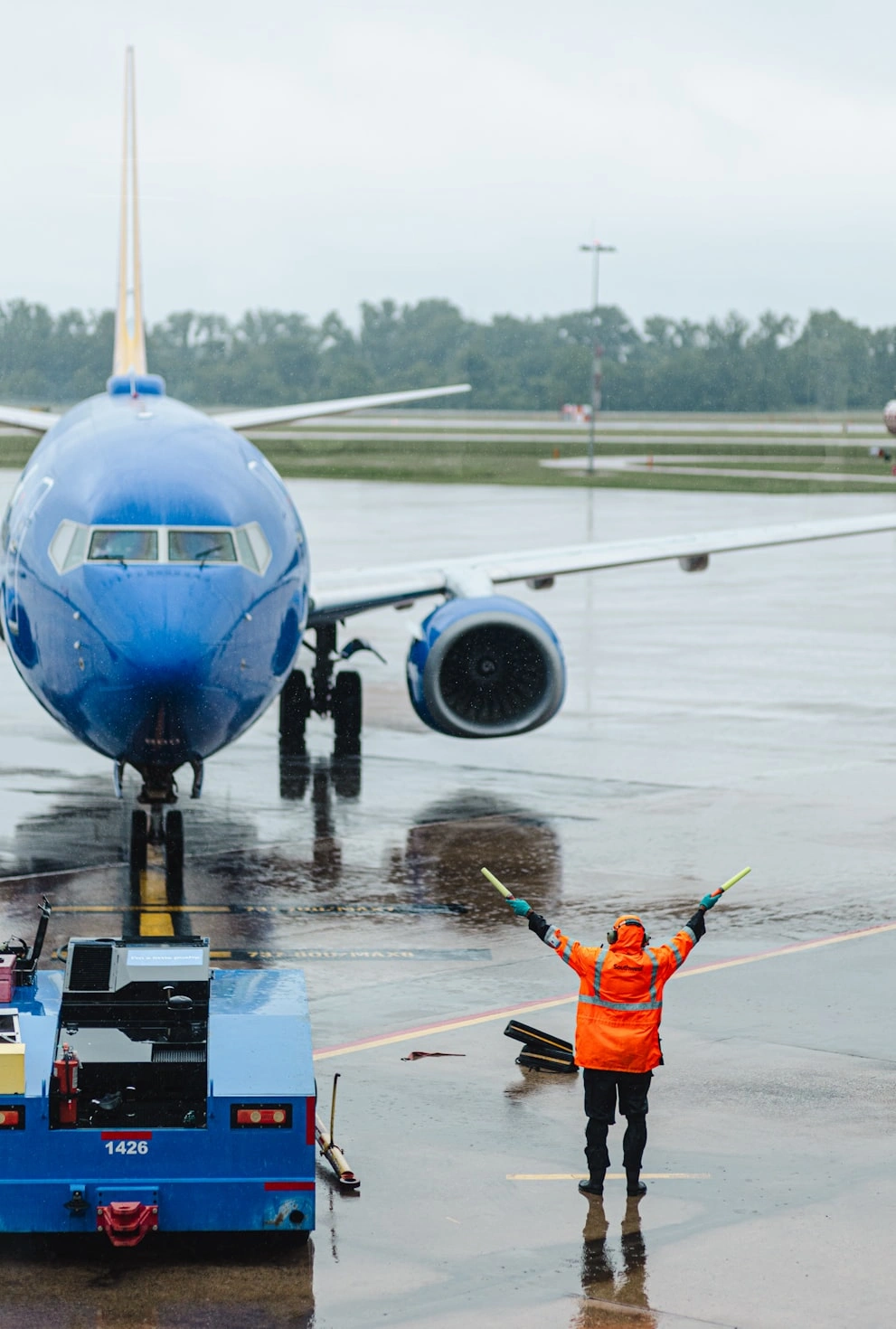
Not every aircraft can file a flight plan into FL290–FL410. The certification requirement is specific and must be confirmed before each flight.
RVSM-certified aircraft must meet four core equipment standards:
A precision altimeter with altimetry system error not exceeding ±200 feet
An autopilot capable of holding assigned altitude without manual correction
At least two independent altitude measurement systems
A Mode C or Mode S transponder for continuous automatic altitude reporting
Aircraft meeting these requirements file a "W" in Field 10 of the ICAO flight plan. Controllers use that designation to confirm which separation standard applies to every flight in the sector. Non-RVSM aircraft older jets, certain military platforms, and formation flights therefore receive 2,000-foot separation and must be managed around certified traffic.
When Certification Fails in Flight
Equipment failures mid-route can strip an aircraft of its RVSM status without warning. If an altimeter reports a fault or an autopilot disengages, the crew must notify air traffic control immediately. Controllers must then apply 2,000-foot separation to that aircraft for the remainder of its routing.
That sudden increase forces immediate rerouting of adjacent traffic. It is precisely why equipment failures and navigation disruptions in RVSM airspace are treated as immediate safety events and why the Turkish Airlines TK726 fire in Kathmandu, where long-haul structural stress produced a failure nobody forecast, illustrates how quickly a known-safe system can reach its threshold.
How Controllers Manage 1,000-Foot Separation
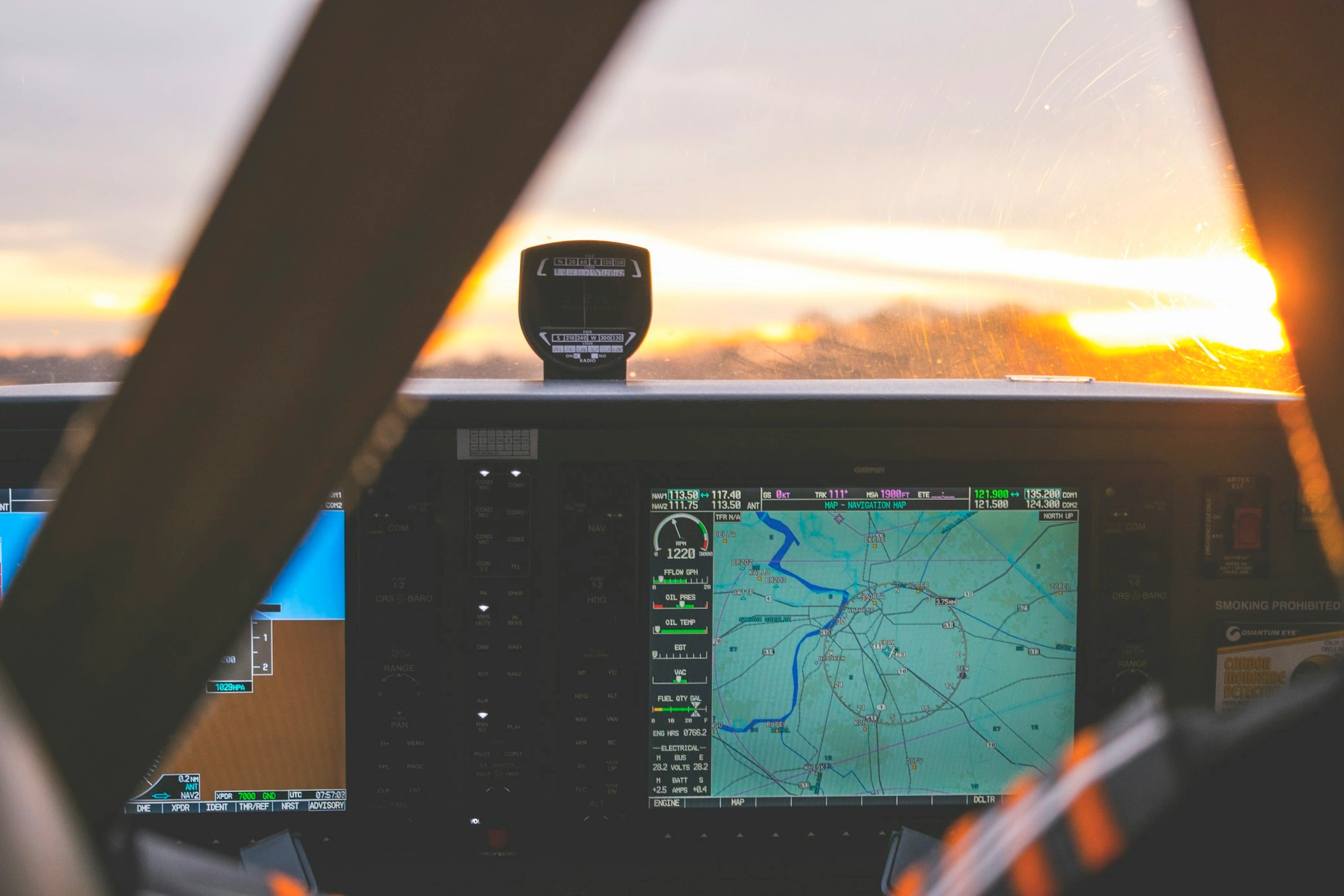
At steady-state cruise, maintaining 1,000-foot separation is tractable. Aircraft are stable, their tracks are predictable, and altitude is continuously reported via transponder. The challenge, however, is not cruising aircraft it is aircraft in transition.
When an aircraft descends from FL370 through FL360 to FL350, it physically passes through the airspace of any aircraft assigned FL360. For that passage to be safe, the FL360 aircraft must be level, and the descending aircraft must clear before the two share lateral proximity.
Controllers sequence this through altitude clearances timed against ground speed and lateral distance. When that sequencing capacity degrades as it did during the Philadelphia TRACON staffing crisis behind the Newark airspace breakdown the compression cascades through adjacent sectors and passengers absorb it as unexplained delays.
TCAS: The Last Line of Defense
Traffic Collision Avoidance System TCAS is the equipment-level backstop when separation is breached. Specifically, TCAS monitors transponder signals from nearby aircraft and generates resolution advisories when the system calculates a collision threat.
A TCAS resolution advisory commands the crew to climb or descend immediately, overriding air traffic control. Notably, failure to comply has been a contributing factor in fatal mid-air collisions including the 2002 Überlingen disaster over southern Germany. TCAS activation in RVSM airspace means the 1,000-foot buffer has already been breached.
The Safety Record and the Events That Test It
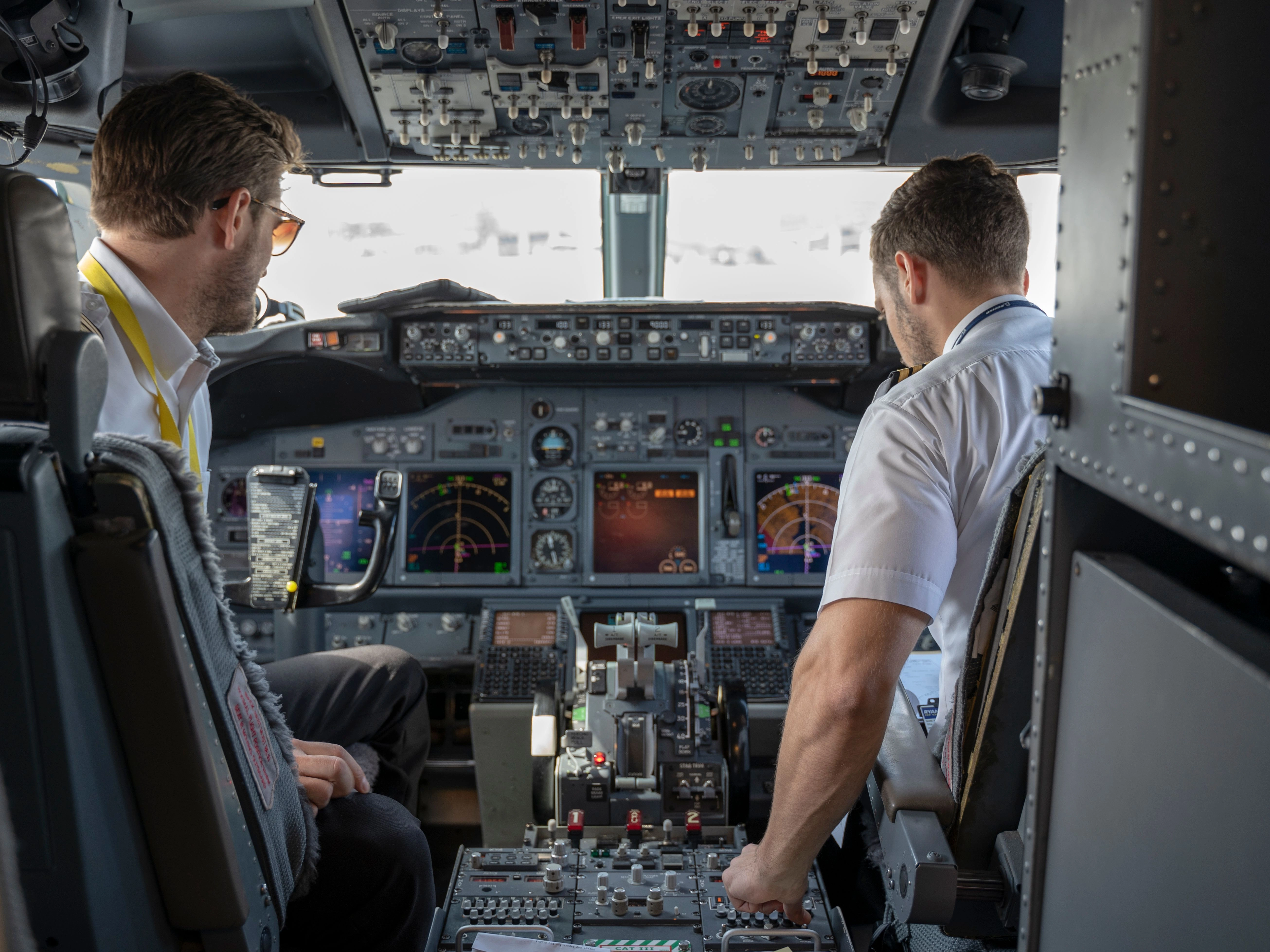
RVSM has not produced a catastrophic collision in over two decades of operation. That record is, therefore, the primary evidence for the standard's continued use.
However, events that stress the 1,000-foot margin occur regularly. According to SKYbrary's separation standards documentation, the ICAO target for RVSM airspace is fewer than 2.5 fatal mid-air collisions per billion flight hours attributable to reduced separation a figure the system has consistently met.
Risk Category | Primary Cause | Typical Response |
Equipment deviation | Altimeter or autopilot failure | Controller-issued amended clearance |
Wake turbulence upset | Wingtip vortex from preceding aircraft | Altitude excursion, TCAS advisory |
Mountain wave turbulence | Severe atmospheric standing wave | Uncontrolled altitude deviation |
Non-RVSM aircraft intrusion | Uncertified aircraft in RVSM airspace | Emergency 2,000-foot separation applied |
Navigation corruption | GPS spoofing or signal degradation | Incorrect altitude reporting |
Wake turbulence presents the most routine risk. A heavy wide-body generates vortices that persist several minutes and extend well below its track. A following aircraft at 1,000 feet below can encounter those vortices before any pilot report is available. Similarly, the Taiwan Air Force T-34C trainer crash at Gangshan Air Base demonstrated how aging aircraft under regular operational stress can fail in ways that standard maintenance intervals do not surface and separation incidents carry the same invisible-until-threshold profile.
Why the Standard Has Not Changed in Nearly Three Decades
Every formal review of RVSM since 1997 has reached the same conclusion: the 1,000-foot standard is defensible given current equipment performance, and the capacity cost of returning to 2,000 feet is simply too high.
A return to 2,000-foot separation would reduce available flight levels from 13 back to 6. That reduction would, in turn, force a significant share of commercial traffic back to suboptimal cruise altitudes, increase fuel burn across millions of flights annually, and reintroduce the bottleneck that prompted the original reform.
The counterargument is not that the standard is wrong. Rather, it is that the assumptions underlying it are aging. RVSM was calibrated against avionics from the 1990s, traffic volumes of that era, and a navigation threat environment that did not include GPS interference at the scale now documented across multiple regions. As a result, the most consequential number in commercial airspace has not been stress-tested against current conditions. The FAA has not announced any review.
Conclusion
The 1,000-foot vertical separation standard unlocked the cruising altitude capacity that modern long-haul aviation depends on. It was built on sound engineering and has, moreover, performed without catastrophic failure for over two decades.
That record does not, however, make the standard permanent. Growing traffic density, aging avionics, and new navigation threats are all factors the 1997 framework did not anticipate. Understanding what keeps the sky organized starts with one number: 1,000 feet. For more aviation safety analysis, explore Air Gazette at Air Gazette.
Frequently Asked Questions
How close do planes fly to each other vertically?
Between FL290 and FL410, aircraft at adjacent assigned altitudes maintain 1,000 feet of vertical separation. Below FL290, 1,000 feet is also the standard for IFR traffic. Above FL410, separation increases to 2,000 feet.
What is RVSM in aviation?
RVSM stands for Reduced Vertical Separation Minima. It is the regulatory standard that reduced vertical separation above FL290 from 2,000 feet to 1,000 feet. It requires specific altimeter tolerance and autopilot standards before operators are permitted to file flight plans into FL290–FL410 airspace.
When was the 1,000-foot separation rule introduced?
The standard was first applied in North Atlantic oceanic airspace on March 27, 1997. The FAA then extended it to US domestic airspace on January 20, 2005. The core separation figure has not changed since.
Can planes fly closer than 1,000 feet apart vertically?
No. Controllers have no authority to reduce separation below the published RVSM standard except in declared emergencies. Emergency separation of 500 feet may be applied temporarily, and all flight crews involved must be notified immediately.
What happens if two planes get too close vertically?
Both aircraft receive a TCAS resolution advisory commanding one to climb and the other to descend. Crews must follow TCAS instructions immediately, overriding air traffic control if necessary. The event then triggers a mandatory safety investigation.
Why did the FAA reduce vertical separation from 2,000 feet to 1,000 feet?
Two factors drove the change: more precise avionics and limited airspace capacity. Modern RVSM-certified aircraft hold altitude within ±200 feet of altimetry system error. As a result, halving the separation nearly doubled available flight levels between FL290 and FL410.
Is 1,000-foot vertical separation safe?
The operational record over two decades says yes. RVSM has not produced a catastrophic collision attributable to the standard. However, deviation events occur regularly and emerging risks including GPS spoofing continue to test a standard calibrated in 1997.