Aviation just crossed a line that once seemed impossible. Starting October 2027, Qantas will fly a specially modified Airbus A350-1000 nonstop from Sydney to London, carrying 238 passengers across 17,015 kilometers in roughly 22 hours without landing once. It is called Project Sunrise, and it will become the longest commercial flight in the world.
Before you book the cheapest seat, read this first.
What Is the Longest Flight in the World Right Now?
The current record holder is Singapore Airlines Flight SQ24, a nonstop service from Singapore to Newark, New Jersey. It covers 15,349 kilometers and takes just under 19 hours. Notably, there is no economy class on that flight. Singapore Airlines made a clear decision to run it in business and premium economy only because they knew what 19 hours in a tight seat does to a passenger.
That record, however, is about to be broken.
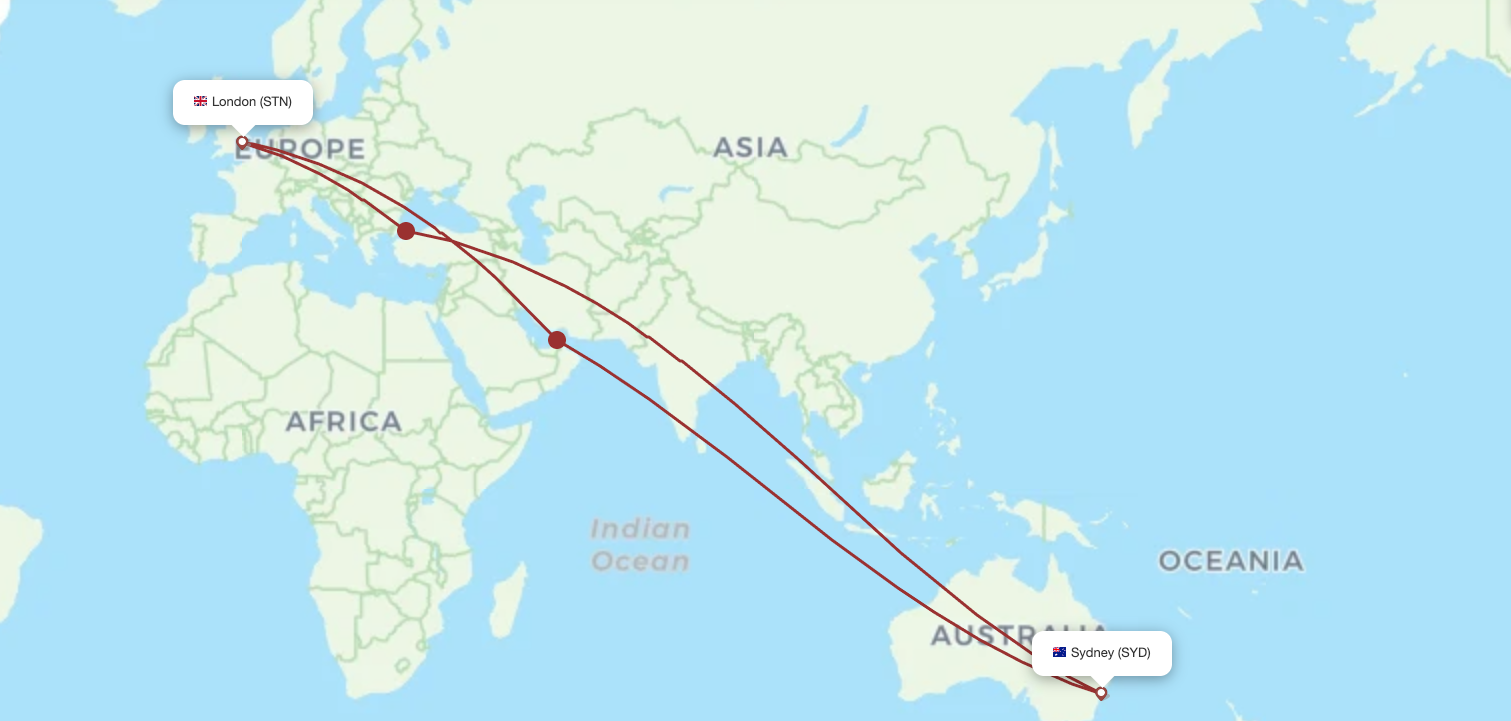
In October 2027, Qantas launches Project Sunrise: a nonstop flight from Sydney to London Heathrow. The distance is 17,015 kilometers. Flight time runs between 19 and 22 hours, depending on winds and routing. As a result, it will become the longest commercial flight in the world by both distance and time in the air.
Route | Distance | Flight Time | Stops | Economy Seats |
Sydney – London (Qantas Project Sunrise) | 17,015 km | 19–22 hours | 0 | 140 |
Singapore – Newark (Singapore Airlines SQ24) | 15,349 km | ~19 hours | 0 | 0 |
Perth – London (Qantas) | 14,498 km | ~17 hours | 0 | Yes |
Auckland – New York JFK (Air New Zealand) | 14,200 km | ~17 hours | 0 | Yes |
Sydney – Dallas (Qantas) | 13,804 km | ~17 hours | 0 | Yes |
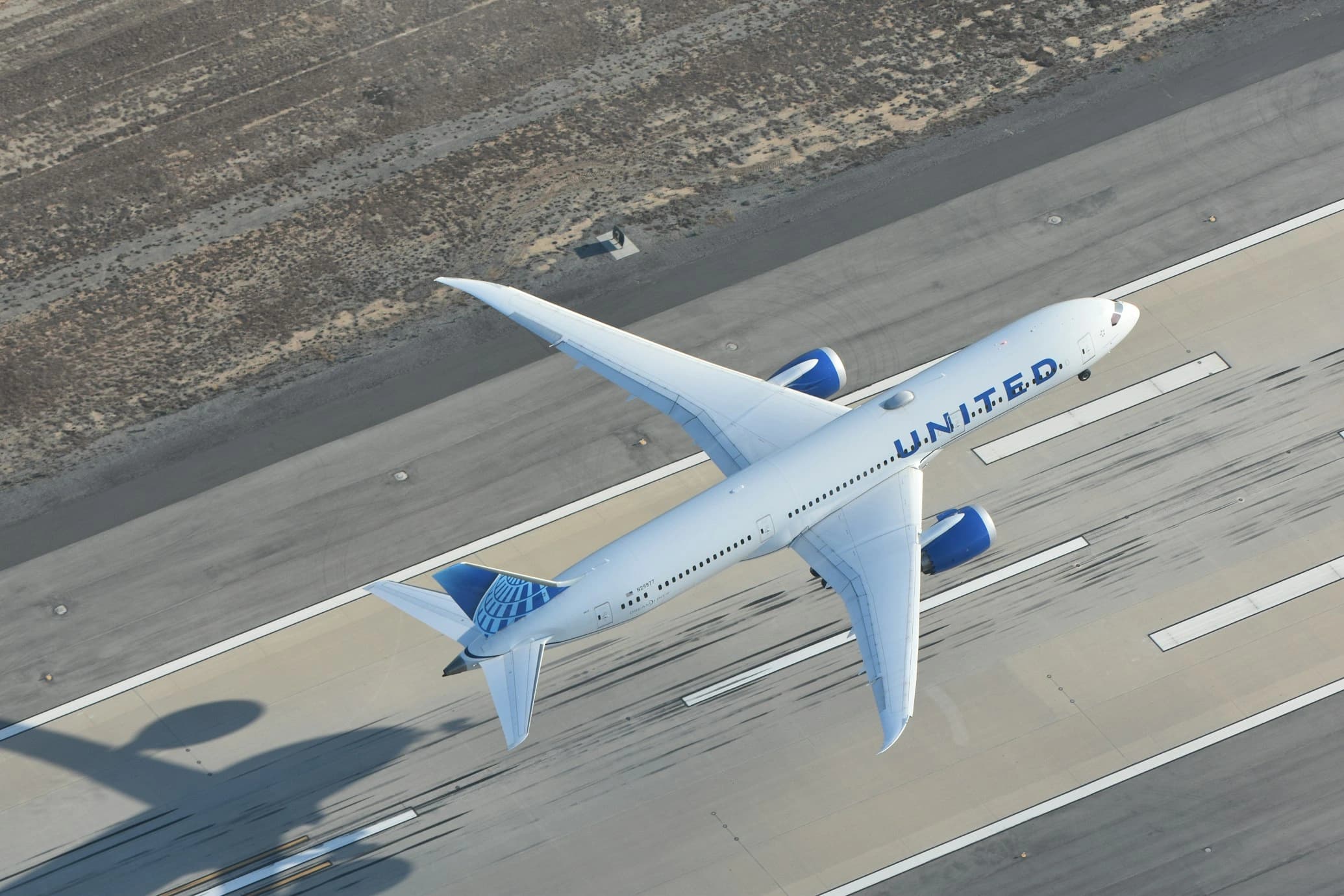
The aircraft is a specially modified Airbus A350-1000 with an extra 20,000-liter fuel tank fitted in the rear. Qantas has ordered 12 of these planes, with the first arriving in April 2027. Tickets go on sale in February 2027, and Qantas CEO Vanessa Hudson has confirmed fares will run about 20 percent higher than the current one-stop service via Singapore.
What 22 Hours on a Plane Actually Does to You
This is the part airlines leave out of the booking page.
Your Body Feels the Altitude
Plane cabins are pressurized to feel like you're sitting at roughly 6,000 to 8,000 feet above sea level. The A350 holds it closer to 6,000 feet, which is better than older planes. Even so, your blood carries less oxygen at that height. After several hours, you feel it heavier, slower, more tired than you would on the ground.
Think of it this way: altitude fatigue on a 12-hour flight is noticeable. On a 22-hour flight, that same effect has almost twice as long to build. By the time you land, your body has been running at a deficit for the entire journey.
Qantas worked with researchers at the University of Sydney's Charles Perkins Centre specifically to study what happens to passengers on flights this long. Their findings shaped the meal timing, lighting schedules, and cabin layout on Project Sunrise. However, the research reduced the impact. It did not remove it.
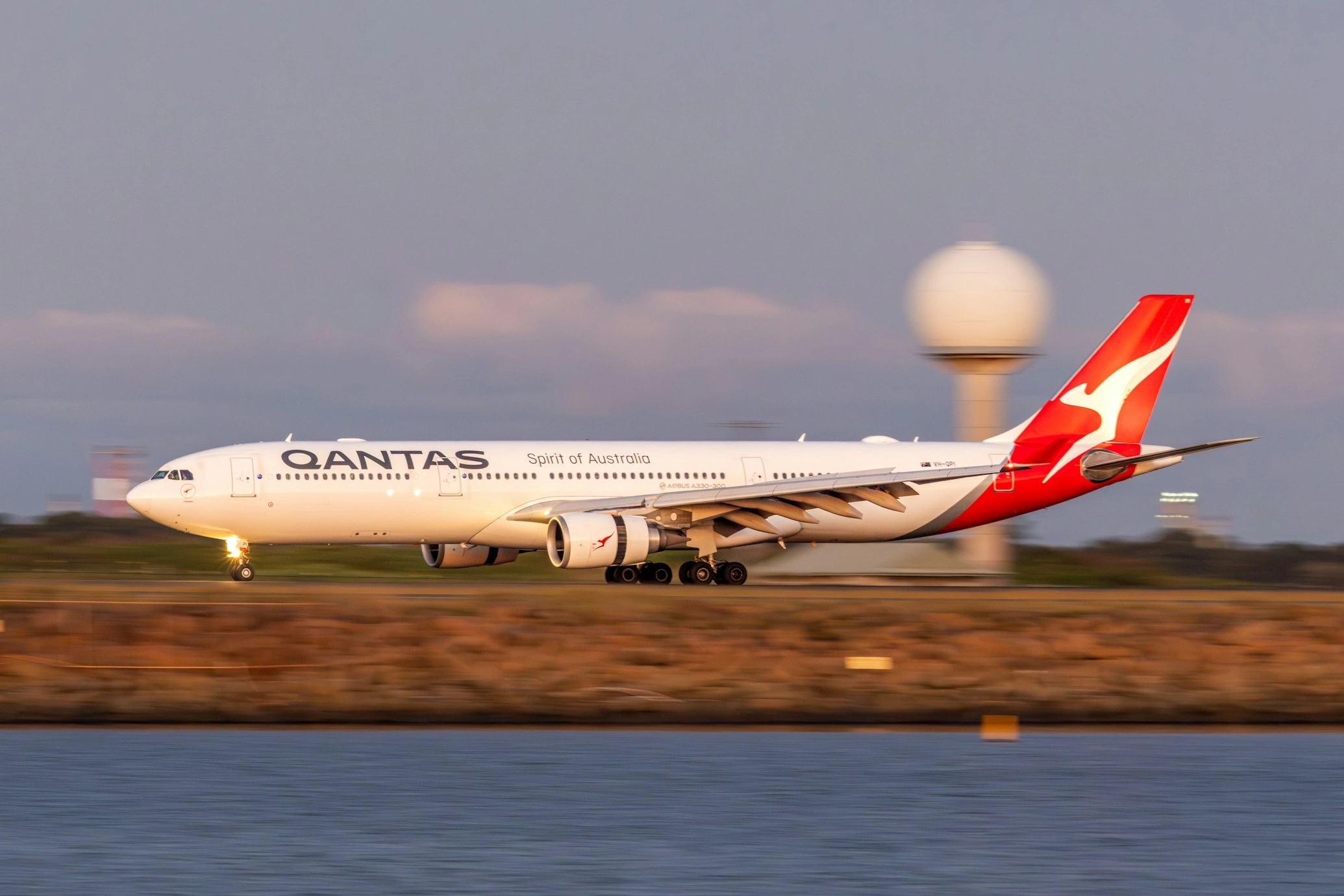
For the aircraft itself, the A350 is the right plane for this mission. The full Boeing 787 vs A350 breakdown explains the differences in cabin pressure and humidity both of which matter more on a 22-hour flight than on any other route.
You Get Dehydrated Faster Than You Think
Plane air is extremely dry humidity sits between 10 and 20 percent. By comparison, a normal indoor space runs at 30 to 60 percent. Over 22 hours, your body loses fluid through breathing alone, faster than the standard drink trolley can replace it.
Economy passengers get drinks on a schedule. Business class passengers can grab water whenever they want. That difference sounds small. Over 22 hours, it adds up significantly.
A practical way to think about it: on a 10-hour flight, you might need two or three glasses of water beyond what crew serves. On a 22-hour flight, that number roughly doubles and the access gap between economy and business class becomes a meaningful factor in how you feel on arrival.
Sitting Still for That Long Is a Real Health Risk
The longer you sit without moving, the higher your risk of blood clots forming in your legs a condition called deep vein thrombosis. Economy seats on most long-haul planes offer 30 to 32 inches of legroom and 17 to 18 inches of width. The Qantas A350 economy cabin offers 32 inches slightly better than average, but still tight for 22 hours.
Moving around is the main fix. However, economy passengers face real obstacles: a neighbor in the middle seat, meal carts blocking the aisle, and turbulence that keeps you belted in. That is exactly why Qantas built a dedicated Wellbeing Zone into the cabin a standing and stretching area between economy and premium economy. It exists because staying still for 22 hours is a genuine health concern, not just a comfort issue.
If you are weighing the upgrade cost, the Delta Premium Select review breaks down exactly where the premium economy break-even point sits on long-haul routes the same logic applies here.
Your Sleep Schedule Gets Completely Scrambled
The Sydney–London route crosses nine time zones. A flight departing Sydney in the evening arrives London the next morning. Your body clock does not update automatically needs days of consistent light, meal, and sleep signals to fully shift.
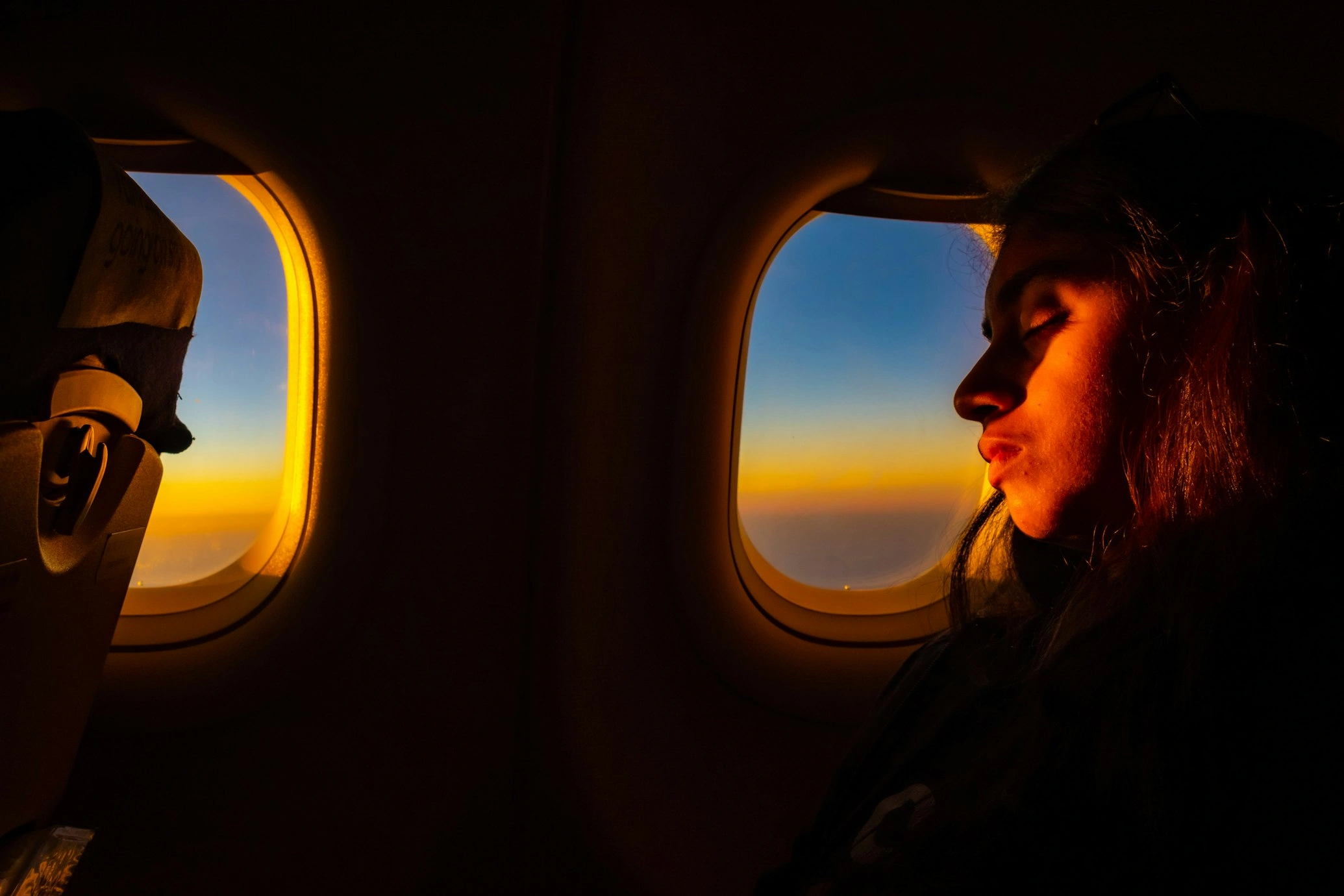
Sleeping in a seat that reclines about 30 degrees is genuinely harder than sleeping flat. For context, a standard business class flat bed allows you to lie down at 180 degrees. Economy recline puts you at roughly 120 degrees similar to sleeping upright in an armchair. Over a 12-hour flight, most people manage. Over 22 hours, the quality difference becomes the main reason passengers in economy arrive exhausted while business class passengers arrive functional.
Qantas' own research found that sleep quality is the single biggest factor in how passengers feel when they land. That finding is why the Project Sunrise business class bed is two meters long longer than most people are tall.
The Four Cabins on the World's Longest Flight
Qantas fitted the Project Sunrise A350 with only 238 seats far fewer than the 300 to 480 you would normally find on this aircraft. That lower count creates more space across every cabin.
Cabin | Seats | Seat Width | Bed Length | Standout Feature |
First Class | Not confirmed | Not confirmed | Not confirmed | Private suite with sliding door |
Business Class | Not confirmed | 25 inches | 2 meters fully flat | 47-inch privacy walls |
Premium Economy | Not confirmed | Wider than economy | More recline | Extra legroom and recline |
Economy | 140 | ~18 inches | Reclines ~30° | Access to the Wellbeing Zone |
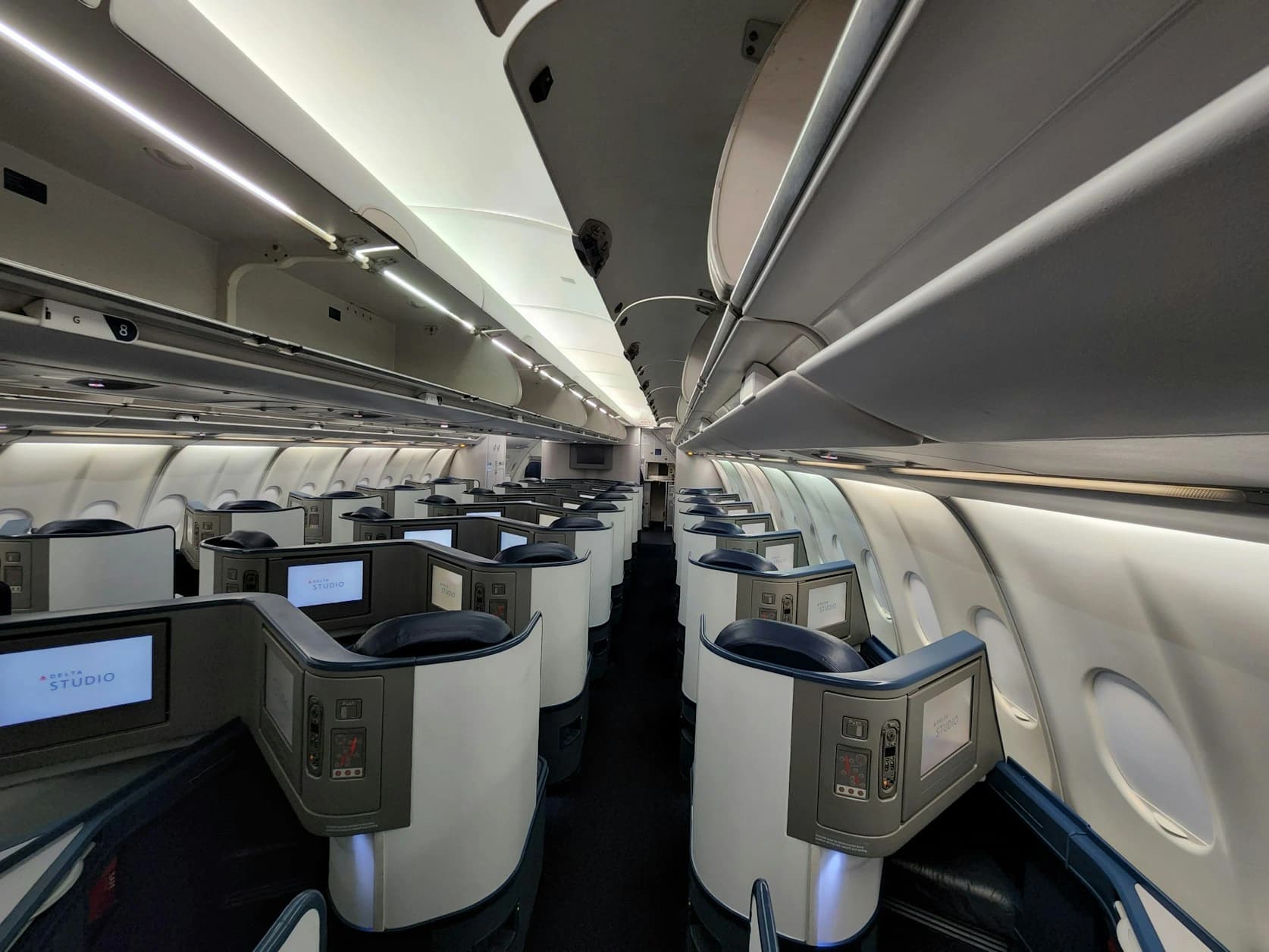
Business class on Project Sunrise is the most advanced seat Qantas has ever put on a plane. The seat folds flat to a two-meter bed, privacy walls reach 47 inches, and each suite has a sliding door, an 18-inch screen, and four charging outlets. With the 20 percent premium factored in, analysts estimate one-way business class fares will run around $10,000 AUD.
Economy fares carry the same premium. Based on current pricing for comparable routes, expect roughly $1,800 to $2,400 AUD one-way, depending on when you book and the time of year.
The Wellbeing Zone is the one feature that sets economy on this flight apart from any other long-haul economy product. It is a free-standing area where economy passengers can stretch, walk around, and access water without waiting for crew service. No other airline offers anything like it in economy class.
Should You Book Economy on a 22-Hour Flight?
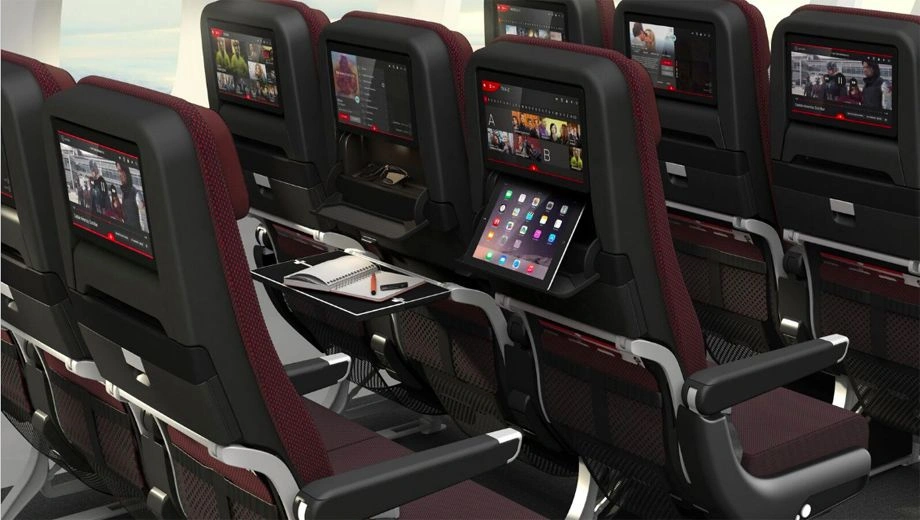
I am not telling you to avoid economy. For some travelers, it makes complete sense.
The 22-hour nonstop saves up to four hours compared to flying via Singapore. That means no second security line, no transit terminal, and no broken sleep from a connection. For younger travelers who sleep well anywhere, and for leisure trips with flexible recovery time, economy on this route is a reasonable call.
The Wellbeing Zone genuinely changes the math. If you use it standing up every 90 minutes, stretching, drinking water the health risk drops meaningfully. It is also worth knowing how standby and last-minute booking strategies work before committing to a cabin on a route this expensive, since upgrade availability at the gate may be more common on a new route still building its load factor.
That said, 22 hours is not simply a longer version of 17 hours. Fatigue, thirst, and stiffness compound over time. The last four hours of a 22-hour economy seat are harder than any other four hours on any other flight you have taken.
Traveler Type | Economy | Premium Economy | Business |
Under 30, leisure, flexible recovery | Manageable with prep | Strong value | Skip unless points-funded |
Over 40, business, next-day meetings | High risk | Minimum safe option | Worth every dollar |
Families with young children | Very difficult | Difficult | Not realistic at the price |
Points travelers with transferable miles | Book with miles | Book with miles | Worth every point |
I book business class on any flight over 10 hours. I use points from transferable credit card programs the same strategy covered in the future of business class guide on this site. On a 22-hour flight, a flat bed is not a luxury. It is the difference between arriving ready to function and arriving wrecked.
Qantas confirmed all of these details directly in its own official Project Sunrise route announcement, including the 238-seat configuration, the four-hour time saving, and the use of the custom-built A350-1000ULR for the route.
How to Survive the World's Longest Flight
These steps apply no matter which cabin you book.
Before You Board
Book an aisle seat if you are flying economy. A middle seat on a 22-hour flight does not just limit your comfort it eliminates your ability to stand up freely, which is your main defense against stiffness and blood clots. On the Project Sunrise A350, economy runs in a standard 3-3-3 layout. Rows over the wing handle turbulence best. Rows ahead of the wing are quieter and slightly less exposed to engine noise at the rear.
If you are unsure which seat configuration gives you the best value for long flights generally, the airplane seat size guide breaks down exactly what those inch differences mean in practice across different aircraft types.
Set your watch to London time the moment you board. Avoid a large meal before the flight. Qantas' research recommends eating on London's schedule from the very start, so your body begins adjusting during the flight rather than only after landing.
During the Flight
Use the Wellbeing Zone. Seriously stand up every 90 minutes. Walk to the back. Stretch for five minutes. This is not a bonus feature. On a flight this long, regular movement is essential, not optional. Qantas built this area specifically because their research showed that economy passengers who moved every 90 minutes reported significantly better arrival wellbeing than those who stayed seated.
Drink water before you feel thirsty. At this humidity level, you are already losing fluid by the time your mouth feels dry. Additionally, avoid alcohol for at least the first six hours. It speeds up fluid loss and makes quality sleep much harder at altitude. If you want a drink later in the flight, that is a reasonable call just not in the opening hours.
Try to sleep in the first half of the flight. London arrivals on Project Sunrise land in the early morning. Sleeping in hours three through nine gives your body the best chance at a proper rest window before you land and face a full day ahead.
After You Land
Do not sleep in the taxi or at the hotel in the afternoon. Stay awake until local evening. Qantas' research found that passengers who push through the first day recover around 40 percent faster than those who nap on arrival. It is hard. It works.
The Bottom Line
The longest flight in the world is not a gimmick. It cuts up to four hours off a journey that has defined Australian international travel for decades, and it does so on one of the most advanced passenger aircraft ever built.
The mistake most travelers will make is treating it like any other booking scrolling to the cheapest fare without considering what 22 hours actually means in that seat. Singapore Airlines understood this when they launched SQ24 with zero economy seats. Qantas made a different call, and for many travelers that is genuinely good news. Whether it works out in economy comes down entirely to preparation, seat choice, and how seriously you use the Wellbeing Zone.
Book smart. Move often. Drink water. And know what you are getting into before you confirm.
For more guides on long-haul flying, cabin comparisons, and the airlines worth booking in 2027, visit Air Gazette.
Frequently Asked Questions
What is the longest flight in the world right now?
Currently, Singapore Airlines Flight SQ24 between Singapore and Newark holds the record at 15,349 kilometers and approximately 19 hours. It runs with no economy class. That record will fall in October 2027, when Qantas starts its Sydney–London nonstop under Project Sunrise 17,015 kilometers in up to 22 hours.
How long is the Qantas Sydney to London nonstop flight?
The flight runs between 19 and 22 hours depending on winds and routing. Qantas plans to use polar routes around 25 percent of the time, particularly in the northern hemisphere winter, which affects total flight time.
Is there economy class on the world's longest flight?
Yes. Unlike Singapore Airlines' SQ24, the Qantas Project Sunrise A350 includes 140 economy seats out of 238 total. Economy passengers also have free access to the dedicated Wellbeing Zone a stretching and hydration area which no other economy product on any long-haul flight currently offers.
How much does a Qantas Project Sunrise ticket cost?
Qantas has confirmed a 20 percent premium over its current one-stop Sydney–London service. Tickets go on sale in February 2027. Based on current pricing with that premium applied, economy is estimated at roughly $1,800 to $2,400 AUD one-way, and business class at around $10,000 AUD one-way.
What plane does the world's longest flight use?
The Airbus A350-1000 Ultra Long Range. Airbus added a 20,000-liter rear fuel tank to extend the range by 1,000 nautical miles beyond the standard model. The cabin pressure is equivalent to about 6,000 feet altitude lower and more comfortable than older widebody aircraft, which typically run at 8,000 feet.
Is a 22-hour flight safe?
Yes. The health risks dehydration, blood clots, sleep disruption are real but manageable with simple preparation. The aircraft design, crew protocols, and the Wellbeing Zone all address these directly. Qantas has operated its 17-hour Perth–London flight since 2018 with a strong safety and satisfaction record. The concern on Project Sunrise is not safety it is how you feel when you land, especially in economy.
When do Project Sunrise tickets go on sale?
Qantas has confirmed that tickets for the Sydney–London service go on sale in February 2027, ahead of the October 2027 launch. The Sydney–New York nonstop is expected to follow, with a date to be announced in early 2027.