You checked a flight yesterday. It was $280. You check again this morning same flight, same seat and it is now $340. Nothing changed. You did not even buy anything. So what happened?
AI happened. And in 2026, it is running deeper inside airline pricing systems than most travelers realize.
Why Your Flight Price Changes So Often
Airlines have always adjusted prices based on demand. That part is not new. What is new is how fast it happens and how much data now drives it.
A single domestic flight can move through as many as 35 different price points between the day it goes on sale and the day it departs. Some of those changes happen within the same morning, per research from Berkeley Haas School of Business. Airline fare files are pushed to booking networks three times per day, and each push can reprice entire seat classes across thousands of flights simultaneously.
Legacy pricing systems could only reprice a flight a couple of times a day at best, because the process was slow and manual. Modern AI pricing engines do it continuously, in real time, without anyone pressing a button.
The result is a fare that is not really a price at all. It is a moving auction that responds to what is happening on that specific flight, that specific day, and that specific moment.
What the System Is Actually Watching
The AI is not just counting empty seats. It is processing a much wider set of signals at once:
How many seats are left on each flight and each fare class
How fast those seats are selling compared to historical patterns for this route
What competing airlines are charging right now
Search and shopping data how many people are looking at this flight without buying
Seasonal patterns, holidays, local events, and weather disruptions
The gap between current revenue and the target the airline set months ago
I have searched the same transatlantic route across different devices, different times of day, and different booking platforms, and the variance in a single 24-hour window can easily exceed $150 on a $600 fare. The machine is constantly recalibrating. Understanding that is the first step to working around it.
How Airlines Actually Set Prices: The Revenue Management System
Behind every fare you see is a system called a revenue management engine. Airlines have used these for decades, but the technology inside them has changed significantly.
The old approach divided a flight into discrete fare buckets think of them as rows of seats labeled Q, K, M, Y, and so on, each with a fixed price. When one bucket sold out, the system moved buyers to the next one, which was more expensive. The price jumped in steps, not smoothly.
The new approach, which airlines call continuous pricing or dynamic pricing, removes those fixed buckets. The system sets a price based on a real-time calculation of what the airline thinks the next buyer is willing to pay for a seat on that specific flight at that specific moment. The price can move in cents or in hundreds of dollars depending on the signal.
According to OAG, approximately 260 carriers worldwide roughly 80 percent of all IATA member airlines apply some form of dynamic pricing technique as of 2025, a 20 percent increase from just two years ago. The sophistication varies enormously between carriers, but the direction is clear: fixed-price fares are disappearing.
Pricing Model | How It Works | Who Uses It |
Bucket-based (legacy) | Fixed fare classes sold in sequence | Smaller carriers, regional airlines |
Rule-based dynamic | Prices adjust when inventory thresholds are hit | Mid-tier carriers, transitional systems |
AI-driven continuous | Real-time optimization across all signals | Delta, Lufthansa, Air Canada, Virgin Atlantic |
Personalized offers | Individual-level pricing attempts (experimental) | Delta pilot program with Fetcherr (2025) |
Early adopters like Lufthansa and Air Canada have reported revenue uplifts of 1 to 3 percent from AI continuous pricing, according to PROS, the leading revenue management software vendor. That may sound small, but on hundreds of millions of seats sold each year, 1 percent is a very large number.
The Delta Story: How Far AI Pricing Has Already Gone
The clearest real-world example of where airline AI pricing is heading came from Delta Air Lines in 2025.
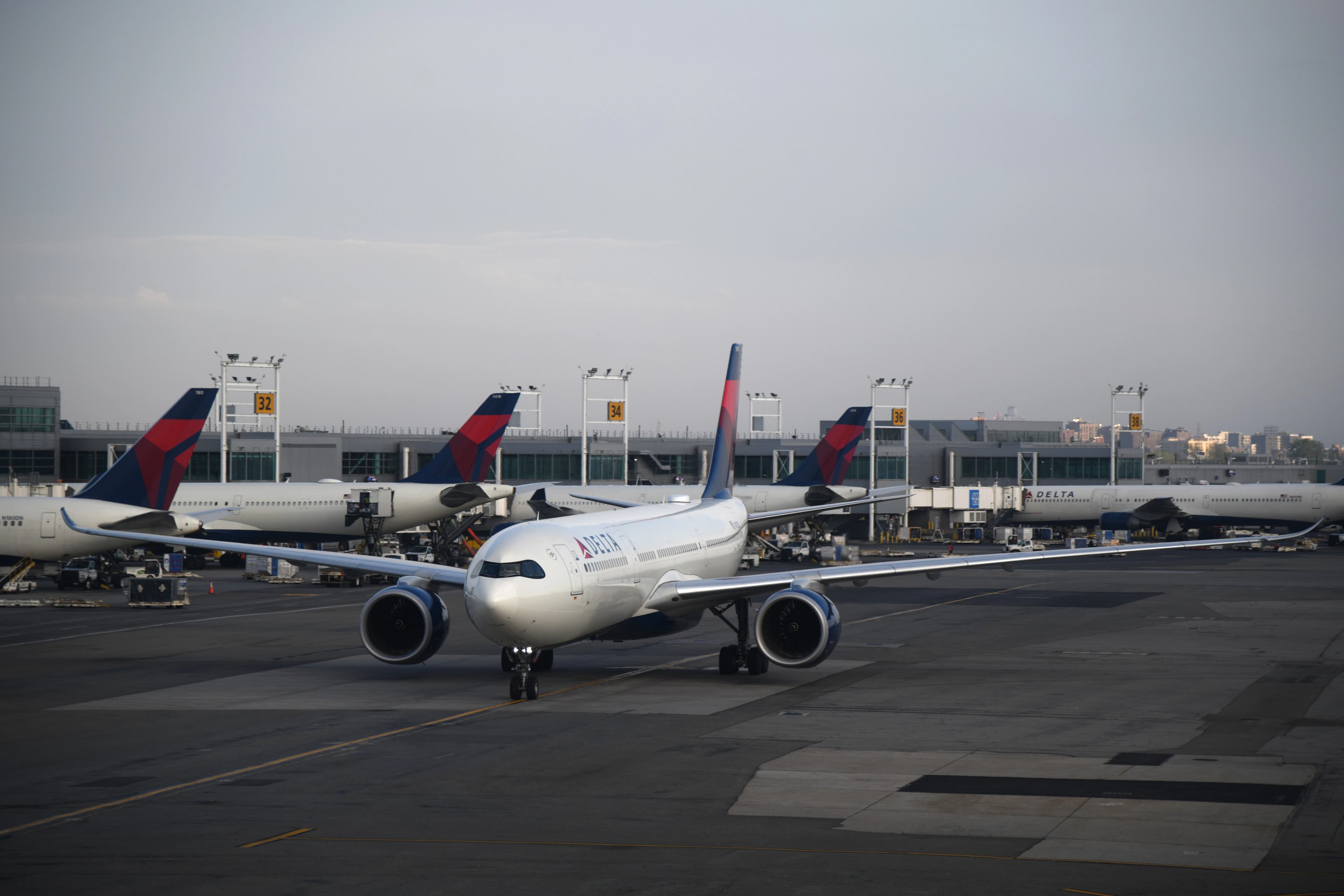
Delta announced it was partnering with Fetcherr, an Israeli AI startup, to deploy an AI-driven pricing engine across 20 percent of its domestic US network by the end of 2025. At the time of announcement, AI was already setting prices on about 3 percent of Delta flights. Delta President Glen Hauenstein described it to investors as "a full reengineering of how we price."
The announcement triggered a reaction from US lawmakers. Democratic Senators Ruben Gallego, Mark Warner, and Richard Blumenthal wrote to Delta warning that the AI system could charge passengers based on their "personal pain point" meaning the maximum amount each individual would pay before walking away, similar to how surge pricing works on Uber.
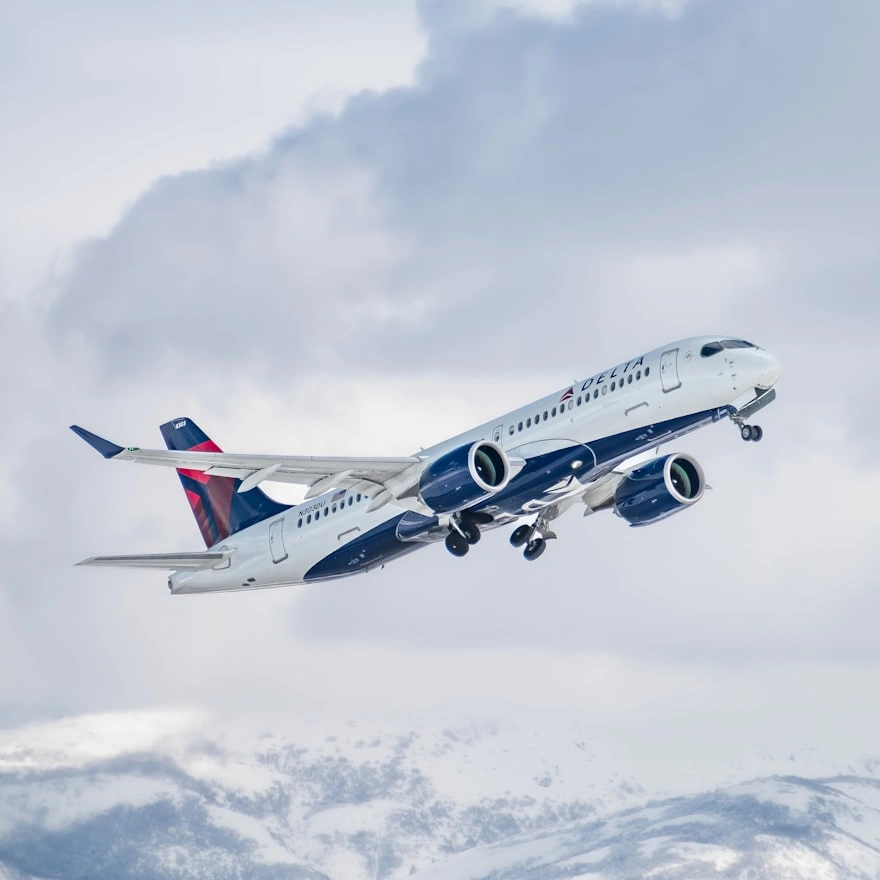
Delta responded directly. The airline stated plainly in a letter to senators, as reported by Reuters in August 2025: "There is no fare product Delta has ever used, is testing or plans to use that targets customers with individualized prices based on personal data. Our ticket pricing never takes into account personal data."
What Delta is doing instead, according to its own statements, is using AI to adjust fares more quickly based on aggregated demand signals how routes are selling at an overall level, not individual passenger profiles. The speed and precision is what changes, not the fundamental principle of supply and demand.
This distinction matters for travelers. The AI is not watching you specifically. It is watching the flight and making a decision about how to price the remaining seats for the next buyer, whoever that turns out to be.
What This Means for When You Book
The practical question for any traveler is: does AI pricing make it harder or easier to find a cheap fare?
The honest answer is both, depending on what you do.
The research on optimal booking windows is consistent across multiple data sources. According to the Going.com State of Travel 2026 report, the cheapest cash fares for domestic flights are typically found 1 to 3 months before departure. For international flights, the window is wider: 2 to 8 months out. Expedia's 2026 Air Travel Hacks Report found that domestic economy flights booked 15 to 30 days before departure averaged $130 less than bookings made more than six months out.
KAYAK's 2026 data puts the domestic sweet spot even tighter around 30 days in advance, where average fares hit approximately $228 for a domestic round trip.
Booking Type | Cheapest Window | Source |
Domestic cash fare | 1–3 months before departure | Going.com, 2026 |
International cash fare | 2–8 months before departure | Going.com, 2026 |
Domestic economy (average) | ~30 days out (~$228) | KAYAK, 2026 |
Domestic economy vs. 6+ months early | 15–30 days saves ~$130 | Expedia Air Travel Hacks, 2026 |
Award / points tickets | 10–11 months out (schedule release) | Going.com / The Points Guy, 2026 |
Sources: Going.com State of Travel 2026; KAYAK Best Time to Book 2026; Expedia Air Travel Hacks Report 2026
One counterintuitive finding: booking too early is often as expensive as booking too late. Airlines open inventory optimistically. The first seats released are frequently not the cheapest ones, because the system has not yet received enough demand data to calibrate aggressively.
Award Tickets Follow the Opposite Pattern
If you book flights using points or miles, the AI pricing system affects you differently. Cash fares and award seat availability follow opposite patterns.
Award seats are released in limited numbers when schedules open, roughly 10 to 11 months before departure. The best award availability is usually at that early window. By the time cash fares are at their cheapest 1 to 3 months out most award seats are already gone. Booking award tickets the same way you book cash tickets is one of the most common and costly mistakes in travel.
For travelers building a points strategy around premium cabin redemptions, the ANA vs JAL miles comparison is a good starting point for understanding how two of the strongest transpacific award programs differ and why award booking windows matter differently on each.
The Signals That Actually Move Your Fare
Understanding what the AI is tracking makes it much easier to predict when fares will move and in which direction.
Seat inventory thresholds. Every flight has internal inventory targets. When a certain number of seats at a given price tier sell, the system automatically closes that tier and opens the next one at a higher price. This is why fares can jump $80 overnight even when nothing else changed. Someone else bought the last seat in the cheaper bucket.
Search volume spikes. Modern pricing engines can see how many people are searching a route without buying. High search-to-buy ratios signal strong demand. The system interprets this as permission to raise prices. If a route suddenly gets popular for example, because a major event is announced fares can move within hours.
Competitor pricing. Airlines monitor each other continuously. If a competitor lowers a fare, the AI on competing carriers usually responds within hours. This is why you sometimes see fares on a route drop across multiple airlines at the same time. It is also why they sometimes rise in unison.
Day and time of purchase. The old myth that Tuesday is always cheapest has been largely debunked by modern data. However, Expedia's 2026 report found that flying on Friday averaged the cheapest departures, and Sunday averaged the most expensive. Flying Friday instead of Sunday can save up to 8 percent on domestic routes.
Proximity to departure. The system becomes more aggressive as the flight gets closer. With 10 seats left and 3 days to departure, the AI knows that remaining buyers have limited alternatives and prices accordingly.
Can You Still Beat the Algorithm?
Yes but not by outsmarting it. The AI has more data than any individual traveler. The moves that still work are based on timing and strategy, not tricks.
Set price alerts early and watch the pattern. Google Flights and KAYAK both show historical fare graphs for specific routes. Looking at how a fare has moved over the past few weeks tells you whether you are in an upward or downward trend.
Book during off-peak search windows. Fares on leisure routes are typically lowest when demand for those routes is low January and February are historically the cheapest months to buy for any future travel date, because the post-holiday search volume drops sharply.
Use incognito mode? Probably does not matter. The Berkeley Haas research found that airline pricing systems work from inventory levels and demand signals, not individual browsing sessions. The system does not remember you searched yesterday and punish you for it. However, using incognito mode costs nothing, so the habit does not hurt.
Check Southwest separately. Southwest Airlines does not appear on Google Flights, Expedia, Kayak, or any standard aggregator. For domestic US routes, Southwest is frequently the cheapest option on competitive routes and the only way to see its fares is to go directly to southwest.com.
Understanding how airlines price their seats also changes how you evaluate the value of premium cabin travel. The gap between economy and business class fares is itself a product of the same revenue management system. The future of business class on major international routes is being shaped partly by how AI is redistributing revenue expectations across cabin types.
Will Personalized Pricing Come to Every Airline?
The Delta situation raised a question that the industry is still working through: how far can AI go before it crosses a line?
The technology to price tickets based on individual data already exists. Fetcherr, the company Delta is using, describes its system as capable of personalizing offers. Other airlines working with similar vendors include Virgin Atlantic and Azul. The legal and regulatory constraints on how that data can be used vary significantly by market European GDPR places meaningful limits on what personal data airlines can use in automated pricing decisions.
For now, the practical reality in 2026 is that most airline AI pricing is still working from aggregated, anonymized demand signals. It is fast, precise, and optimized but it is not watching your personal data. It is watching the market.
That could change. But it has not changed yet, and travelers who understand the current system can still use it to their advantage.
For those who fly transatlantic routes frequently, understanding when fares are genuinely cheap versus algorithmically distorted is one of the most valuable things you can learn. The best time to fly New York to Paris breaks down the specific booking windows and seasonal patterns on that route one of the most AI-priced corridors in international travel.
Conclusion
Airline AI pricing is not a mystery, and it is not designed to specifically target you. It is a very fast, very data-rich version of the same supply-and-demand logic that airlines have always used just running at a scale and speed that human revenue managers could never match.
The rules that work have not changed: book domestic flights 1 to 3 months out for cash, book award tickets 10 to 11 months out at schedule release, fly midweek when possible, and check Southwest directly. The AI is moving the prices, but it is moving them according to predictable patterns and patterns can be read.
According to the Bureau of Transportation Statistics, the average domestic round-trip fare was $384 in 2024. Timing your booking correctly can save 25 percent or more on that a meaningful number on any route.
For more aviation insights, airline strategy guides, and fare analysis, explore the full collection at Airgazette.
Frequently Asked Questions
Why do flight prices change so much from day to day?
Airlines use AI-powered revenue management systems that reprice seats continuously based on demand signals, remaining inventory, competitor fares, and how fast the flight is selling. A single domestic seat can move through up to 35 different price points between when it goes on sale and departure day, per research from the Berkeley Haas School of Business.
Is Delta really using AI to set personalized prices for individual passengers?
Delta is using AI specifically a system from the Israeli startup Fetcherr to set prices across 20 percent of its domestic network, up from 3 percent in 2024. However, in August 2025 Delta explicitly stated to US senators that its pricing "never takes into account personal data." The AI adjusts fares based on aggregated market demand, not individual passenger profiles.
What is the cheapest time to book a flight in 2026?
For domestic flights, book 1 to 3 months before departure for the lowest cash fares, or around 30 days out where average fares hit approximately $228, per KAYAK 2026 data. For international flights, the window is 2 to 8 months out. For award tickets booked with points, book at the 10 to 11 month mark when airlines first release schedules award availability is usually worst during the cheap-cash window.
Do airlines actually track my searches and raise prices?
Academic research, including a study from Berkeley Haas, found that airline pricing engines primarily work from inventory levels and demand signals rather than tracking individual browser sessions. The old advice about using incognito mode has limited real-world impact on the prices you see.
How many airlines are now using AI dynamic pricing?
According to OAG data from 2025, approximately 260 carriers worldwide about 80 percent of all IATA member airlines apply some form of dynamic pricing technique. That represents a 20 percent increase from just two years earlier. The sophistication ranges from basic rules-based systems to full AI-driven continuous pricing.
Which day of the week is cheapest to fly?
Expedia's 2026 Air Travel Hacks Report found that Friday is the cheapest departure day for domestic flights on average, while Sunday is the most expensive. Flying on a Friday instead of Sunday can save up to 8 percent on domestic routes. For international travel, Wednesday departures tend to offer the best fares.
Does checking Southwest separately really make a difference?
Yes. Southwest Airlines does not distribute its fares through Google Flights, Kayak, Expedia, or any major booking aggregator. Its fares are only visible at southwest.com. On competitive domestic routes particularly in the central and southern US Southwest is frequently the lowest-cost option, and travelers comparing prices on aggregators are simply not seeing it.