Military jets are built for one thing above everything else to go faster than whatever is chasing them. Over the past 70 years, engineers have built aircraft that seem physically impossible. Some flew so fast the metal skin glowed red from heat. One flew high enough to earn the pilot astronaut wings.
Here are the ten fastest military aircraft ever built, ranked by their actual top speed.
Before the Rankings: What "Top Speed" Really Means
Not every jet on this list can hit its maximum speed safely. Some can only hold it for a few minutes before the engines overheat. Others were experimental planes that flew just a handful of times. A few were so secret that their speed data stayed classified for decades.
This ranking uses each aircraft's highest confirmed or officially recorded speed. Where there is a gap between what a jet could theoretically do and what pilots were actually allowed to do, both numbers are included.
Rank | Aircraft | Top Speed | Mach Number | Still Flying? |
1 | North American X-15 | 4,520 mph / 7,274 km/h | Mach 6.7 | Retired 1968 |
2 | Lockheed SR-71 Blackbird | 2,193 mph / 3,530 km/h | Mach 3.3 | Retired 1998 |
3 | Lockheed A-12 Oxcart | 2,208 mph / 3,560 km/h | Mach 3.35 | Retired 1968 |
4 | Bell X-2 Starbuster | 2,094 mph / 3,370 km/h | Mach 3.2 | Retired 1956 |
5 | MiG-25 Foxbat | 1,865 mph / 3,000 km/h | Mach 2.83 | Barely |
6 | MiG-31 Foxhound | 1,864 mph / 3,000 km/h | Mach 2.83 | Yes (Russia) |
7 | F-15 Eagle | 1,650 mph / 2,655 km/h | Mach 2.5 | Yes (USAF) |
8 | F-22 Raptor | 1,500 mph / 2,414 km/h | Mach 2.25 | Yes (USAF) |
9 | Eurofighter Typhoon | 1,550 mph / 2,495 km/h | Mach 2.0+ | Yes (NATO) |
10 | F/A-18 Super Hornet | 1,190 mph / 1,915 km/h | Mach 1.8 | Yes (US Navy) |
1. North American X-15 Mach 6.7
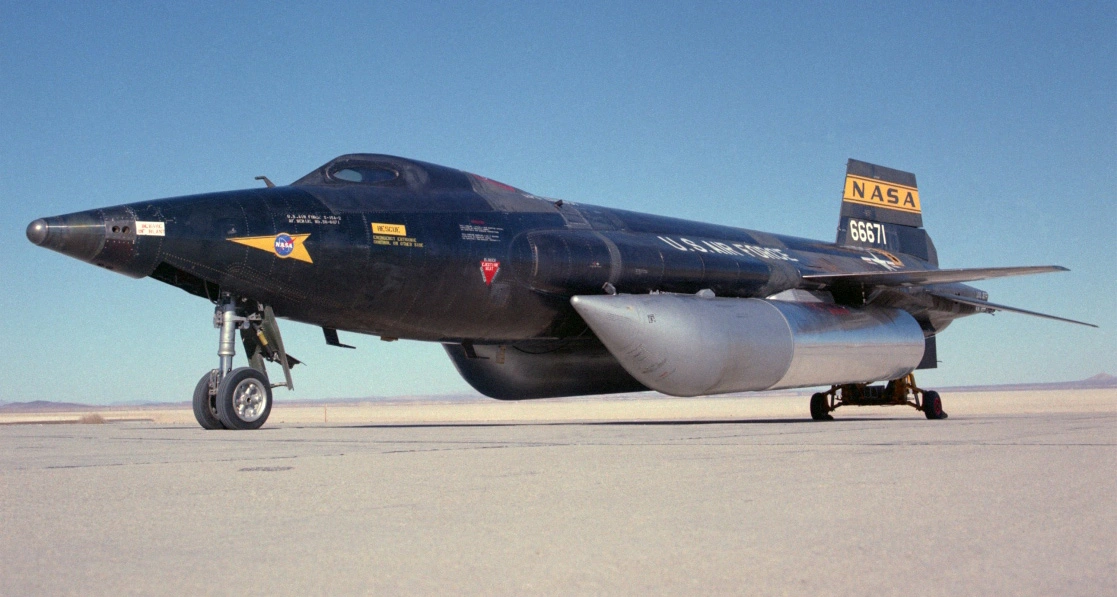
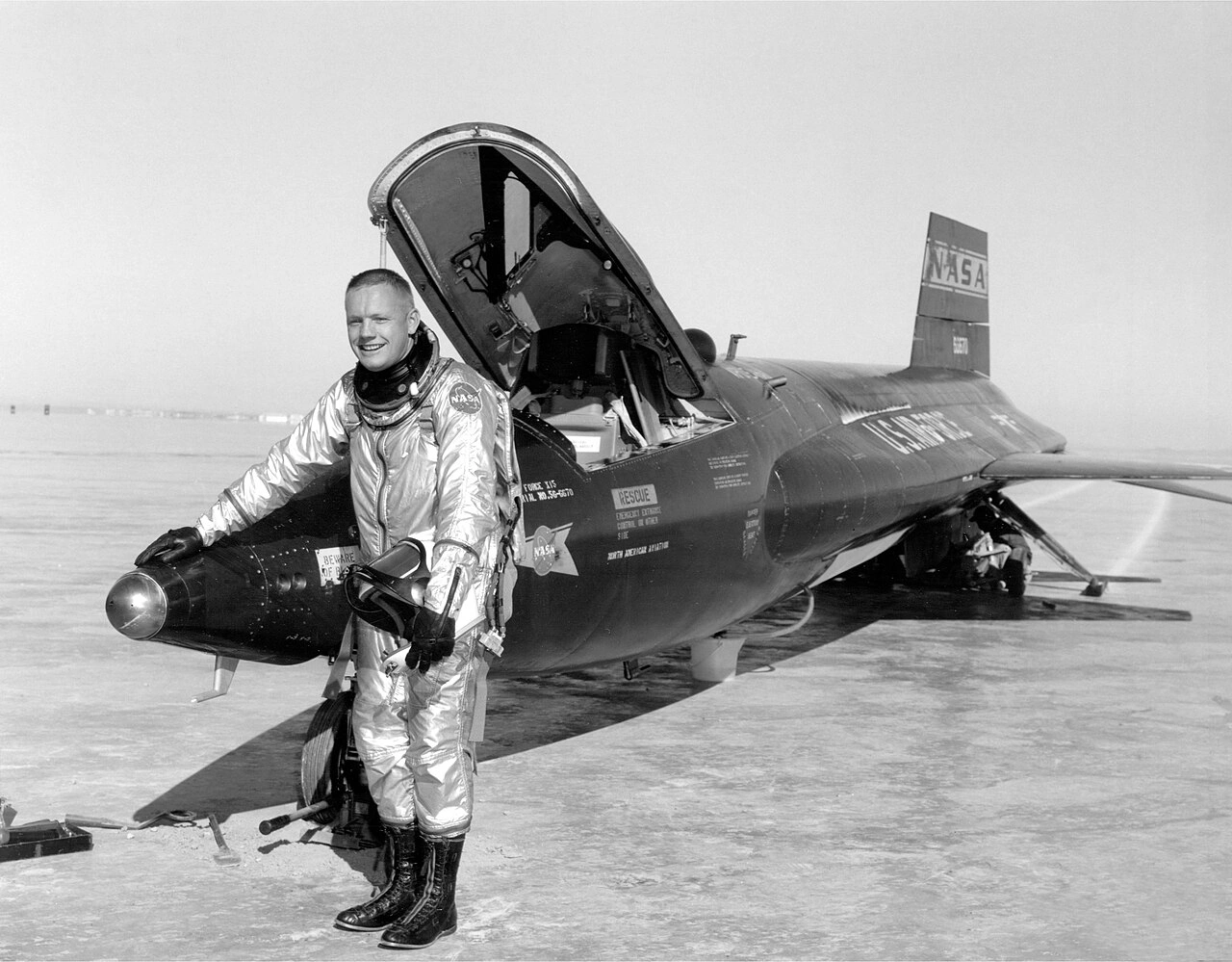
Nothing on this list comes close to the X-15. On October 3, 1967, a US Air Force pilot named William "Pete" Knight flew it to 4,520 mph. That is Mach 6.7 more than six times the speed of sound. The record has not been broken in nearly 60 years.
The X-15 was a joint project between NASA, the US Air Force, and the US Navy. It did not take off from a runway. A modified B-52 bomber carried it to 45,000 feet and dropped it, then the rocket engine fired. The whole powered flight lasted about 90 seconds.
Flew 199 total missions between 1959 and 1968
Flew high enough that several pilots earned astronaut wings
Skin temperatures reached over 1,200°F at full speed
Three aircraft were built two survive in museums today
Specification | X-15 |
Top speed | Mach 6.7 4,520 mph |
Maximum altitude | 354,200 feet about 67 miles up |
Engine | Single rocket producing 57,000 lbs of thrust |
Active years | 1959–1968 |
Total flights | 199 |
The X-15 was never a combat aircraft. But it was a military program, its records are official, and no human being has ever flown faster in any aircraft. According to NASA's official X-15 program records, that Mach 6.7 mark remains the highest speed ever recorded by a crewed, powered aircraft.
2. Lockheed SR-71 Blackbird Mach 3.3
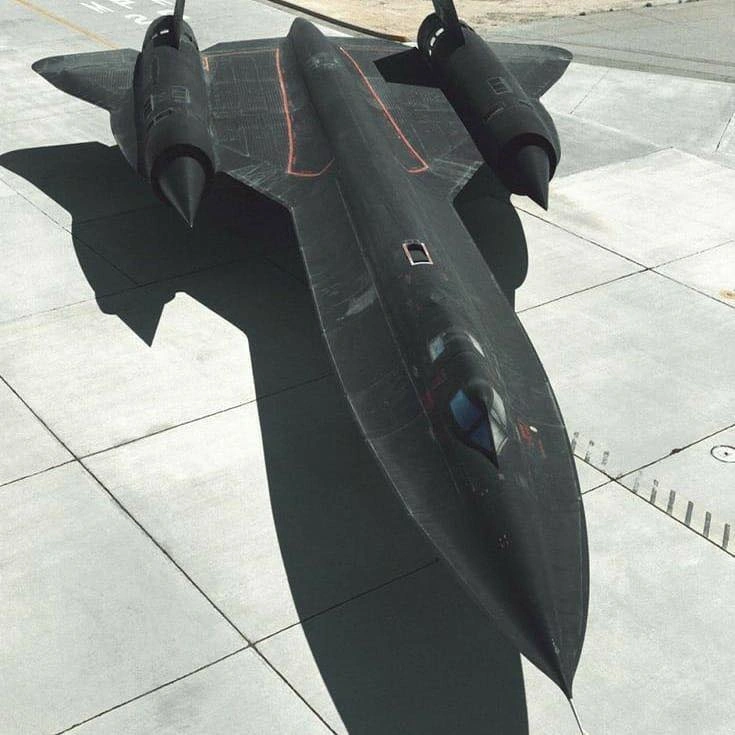
The SR-71 is the fastest jet-powered aircraft ever flown by a human. On July 28, 1976, a Blackbird set the official record at 2,193.2 mph roughly Mach 3.3. The Smithsonian's National Air and Space Museum SR-71 speed records confirm this figure. That record still stands today.
What made the SR-71 different from everything else was not just the top speed. It was that the aircraft cruised at that speed. Most jets can sprint fast for a short time. The Blackbird flew coast to coast Los Angeles to Washington DC in 64 minutes and 20 seconds. That was its final flight, in 1990, and it averaged Mach 3.3 the whole way.
For over 30 years, spy agencies used the SR-71 to photograph enemy territory at 80,000 feet, moving too fast for anyone to stop it. Hundreds of surface-to-air missiles were fired at Blackbirds during that time. Not one hit.
Outer skin reached over 600°F just from air friction at cruise speed
The plane had to be fuelled after takeoff because the fuel tanks leaked on the ground the metal only sealed properly once it expanded from heat at altitude
Retired in 1998, replaced by satellites and unmanned drones
3. Lockheed A-12 Oxcart Mach 3.35
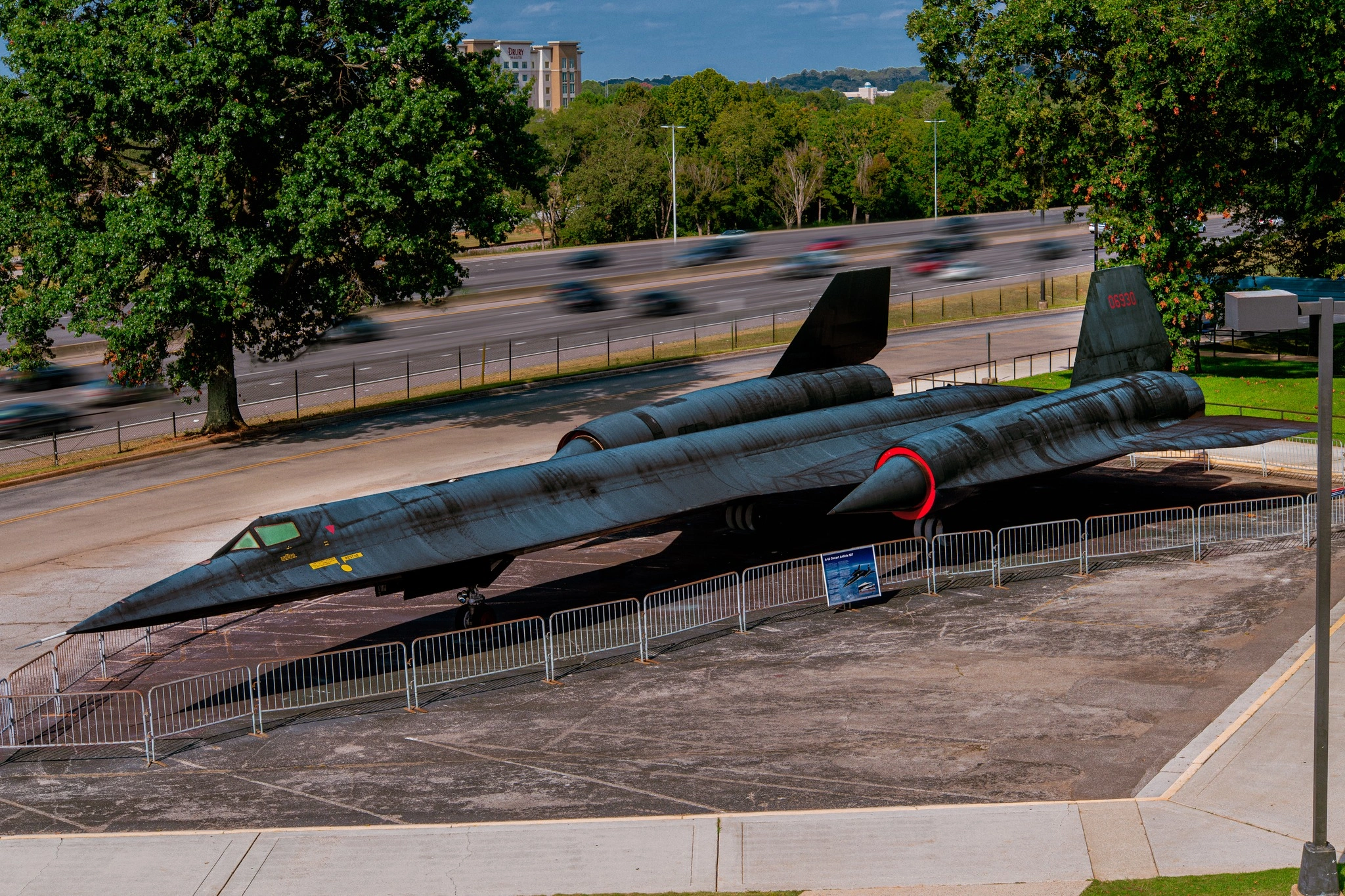
Most people know the SR-71. Almost nobody outside defense circles knows about the A-12, which came first and was slightly faster.
The A-12 Oxcart was built for the CIA, not the Air Force. It flew out of Area 51 from 1963 to 1968 on reconnaissance missions that stayed classified for years. Where the SR-71 had two seats, the A-12 had one. Its speed data remained secret for so long that even today some figures are uncertain.
Pilot Ken Collins later confirmed the A-12 reached operational altitudes of 94,000 feet. During early test flights, a prototype briefly hit Mach 3.56 before the engines failed from the strain. Normal operations stayed around Mach 3.35.
The A-12 was retired when the SR-71 took over. The decision came down to practicality two crew members made long missions easier to manage, not because the newer aircraft was faster.
4. Bell X-2 Starbuster Mach 3.2
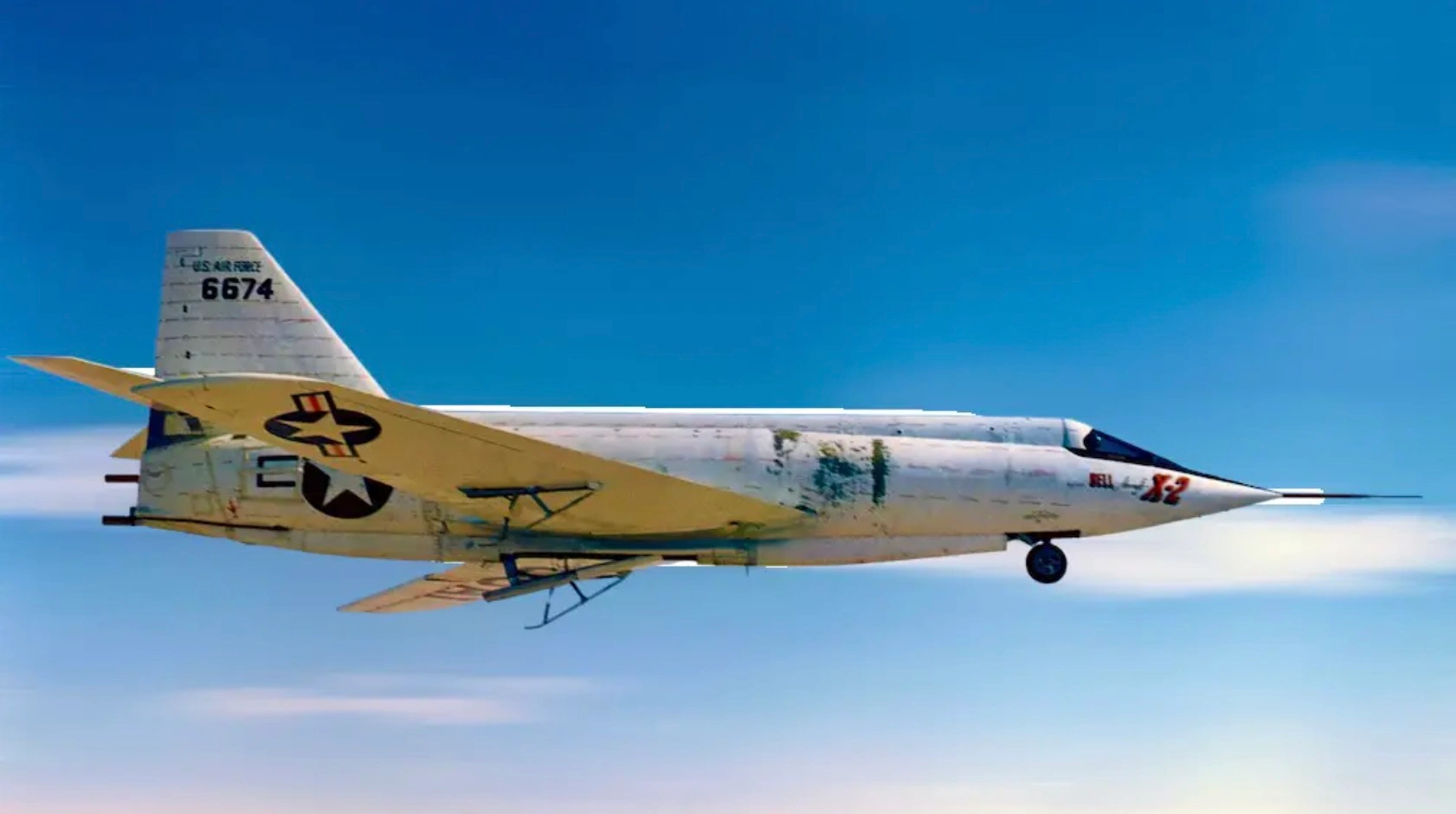
The X-2 was the first aircraft ever to break Mach 3. On September 27, 1956, Captain Milburn Apt pushed it to 2,094 mph Mach 3.196 over the California desert. It was a record that changed aviation history.
Then the aircraft went into an uncontrolled spin. Apt was killed.
Despite that outcome, the X-2 program gave engineers crucial information about what happens to an aircraft at extreme speeds how the air pushes differently, how the metal heats up, how control becomes almost impossible. Every aircraft above it on this list learned from those findings.
Two X-2s were built. Neither survives complete. The engineering lessons from the X-2 and X-15 programs shaped every fast aircraft that followed including the commercial jets that now carry passengers across the Pacific. Japan Airlines, which operates some of the longest routes in the world, flies aircraft that cruise at roughly 3% of the X-15's top speed. If you want to see what long-haul flying looks like at the sharp end of the cabin, Air Gazette's Japan Airlines first class review gives the full picture: airgazette.com/japan-airlines-first-class-review
5. MiG-25 Foxbat Mach 2.83 Normal, Mach 3.2 Emergency
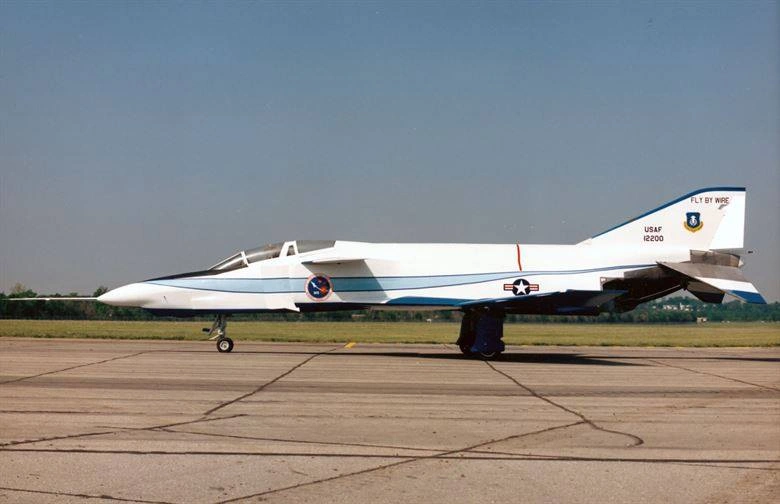
When the Soviet Union showed the MiG-25 to the world in 1967, Western military planners were alarmed. The aircraft was enormous, with two huge engines and a speed that appeared to match the SR-71. The Americans assumed they were facing a highly advanced super-fighter.
They were wrong but the truth was still impressive.
In 1976, a Soviet pilot named Viktor Belenko flew his MiG-25 to Japan and defected. Western engineers finally got to examine the aircraft up close. What they found surprised them. The plane was built mostly from heavy steel, not lightweight titanium. Its engines could reach Mach 3.2, but only in an emergency doing so destroyed them completely. The cores would blow straight out the back of the jet.
Normal operations stayed at Mach 2.83, and even that could only be held for around five minutes before things started overheating badly.
Despite those limits, the aircraft did exactly what it was built to do. In 1971, Soviet-piloted MiG-25s flew photo missions over Israel at Mach 3.2. Israeli jets and missiles could not get close. Over 1,100 were built. A small number are still in limited use today.
6. MiG-31 Foxhound Mach 2.83
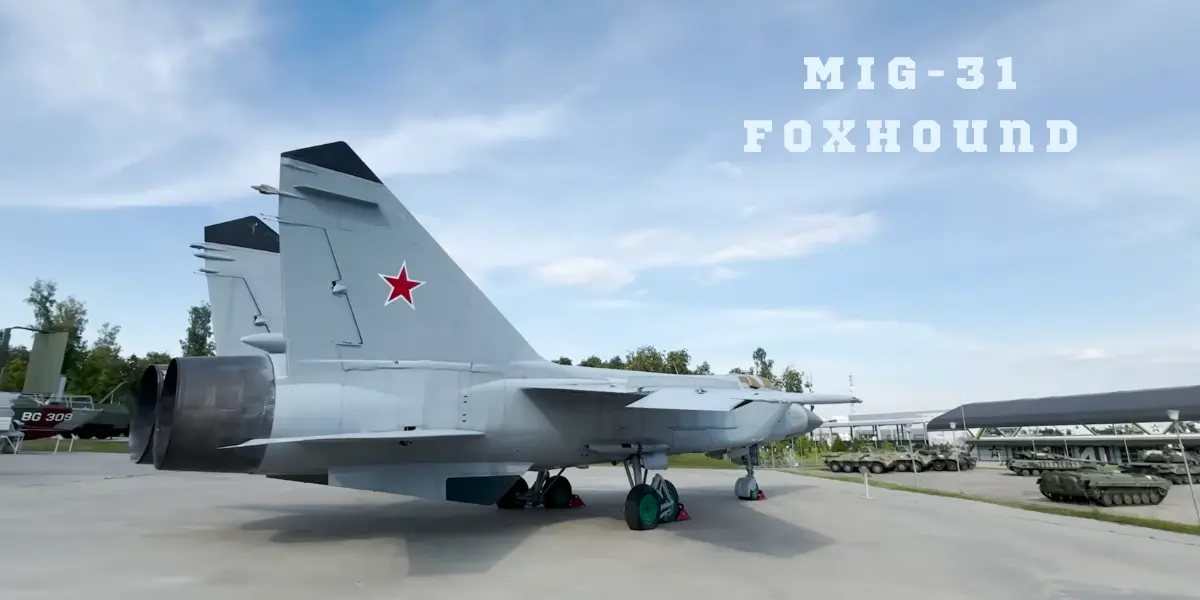
The MiG-31 was built to fix everything wrong with the MiG-25. It kept the same top speed but added genuine radar, better range, and the ability to fly effectively at lower altitudes something the Foxbat could barely do.
As of 2026, the MiG-31 is the fastest combat aircraft still in regular service anywhere in the world. Russia continues to operate it as a long-range interceptor. It carries the Kinzhal hypersonic missile, which has made it strategically relevant in ways nobody anticipated when it was designed in the 1970s.
Its radar was the first of its kind ever fitted to a fighter a phased-array system that could track multiple targets at once at very long distances.
7. McDonnell Douglas F-15 Eagle Mach 2.5
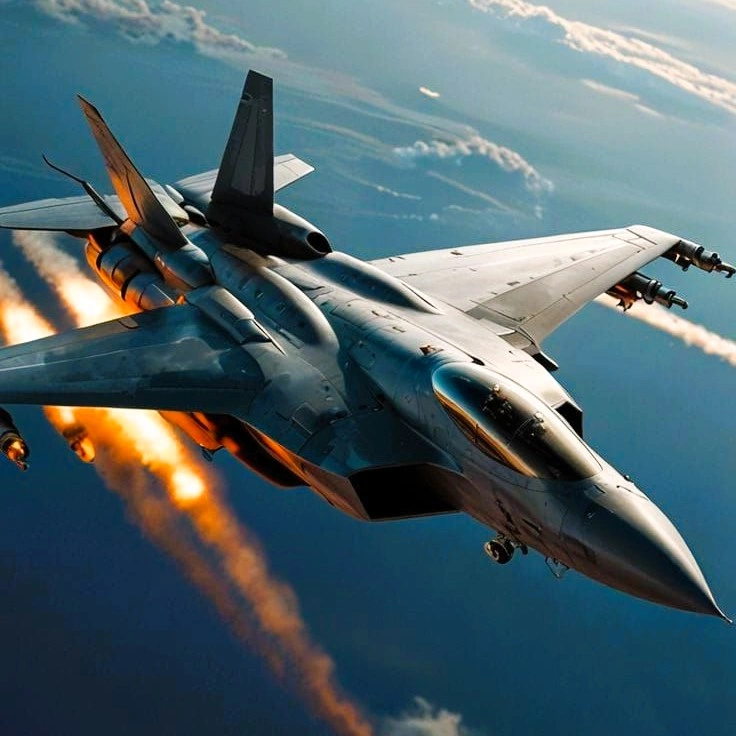
The F-15 Eagle exists largely because of the MiG-25. When that Soviet jet appeared publicly in 1967, the US Air Force pushed hard for something that could meet it. The Eagle first flew in 1972 and entered service in 1976.
It has never lost an air-to-air engagement. Ever. Over 100 kills in combat, zero losses to enemy aircraft.
Top speed is Mach 2.5 1,650 mph. That makes it the fastest American fighter jet currently flying. The F-15EX Eagle II, the newest version in production today, keeps the same speed with upgraded electronics, stronger weapons capacity, and a service life expected to run past 2040.
The fastest US fighters in service today compare like this:
Aircraft | Top Speed | Main Job | Flying Now? |
F-15 Eagle | Mach 2.5 | Air superiority | Yes |
F-22 Raptor | Mach 2.25 | Air dominance | Yes |
F/A-18 Super Hornet | Mach 1.8 | Carrier strike | Yes |
F-35A Lightning II | Mach 1.6 | Multi-role attack | Yes |
The commercial aviation world operates at completely different speeds. The fastest passenger jets today the Boeing 787 and Airbus A350 cruise at around 560 mph. The F-15 flies nearly three times faster. For a detailed look at how those two aircraft compare on every other measure that matters for passengers, Air Gazette's breakdown of how the Boeing 787 and A350 compare on speed and range covers it.
8. F-22 Raptor Mach 2.25, with a Special Trick
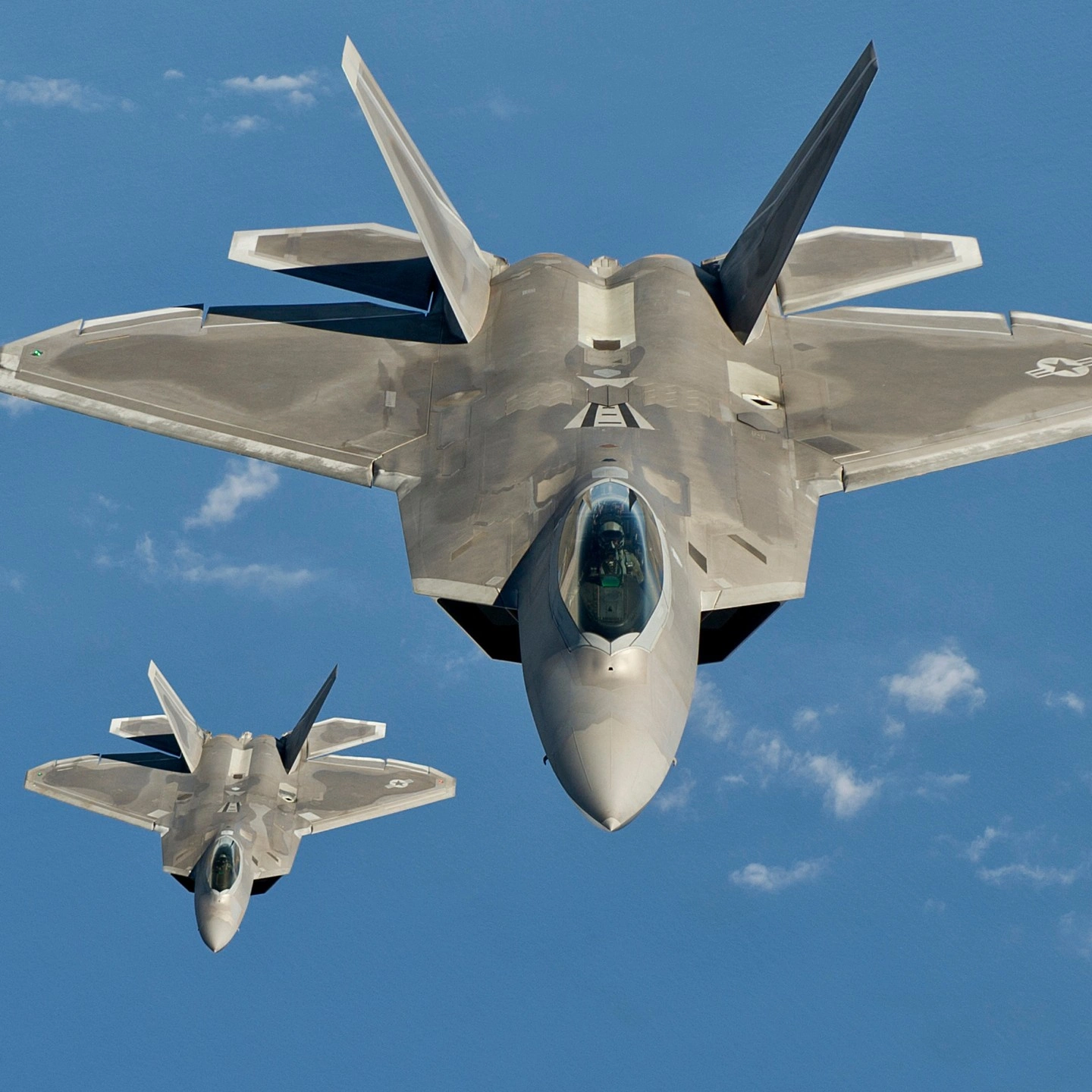
The F-22 is the fastest stealth fighter ever built. Its two engines produce a combined 70,000 lbs of thrust, pushing it to Mach 2.25 at altitude.
But the most interesting speed fact about the Raptor is not the top number. It is something called supercruise. The F-22 can fly at Mach 1.8 faster than the speed of sound without using afterburner. Most fighter jets need afterburner to go supersonic at all. The Raptor does it in cruise mode, quietly, using far less fuel.
I think this gets undersold in almost every speed ranking. The sprint number looks less impressive than the MiG-25 or the F-15. But no other Western fighter in service today can hold supersonic speed without afterburner at all.
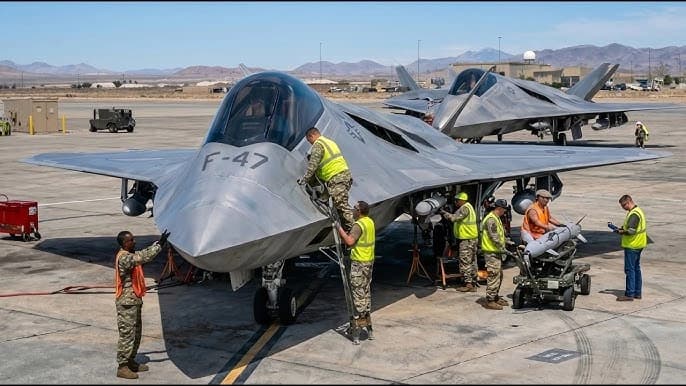
The US Air Force has 178 F-22s left from the original 187 built. The production line closed in 2011. Boeing was awarded a contract in March 2025 to build the F-47, the next-generation aircraft designed to eventually replace the Raptor in the 2030s.
Pilots who fly jets like the F-22 are among the most trained people in aviation. The gap between military and commercial pilot pay is larger than most people expect. Air Gazette's breakdown of how much commercial pilots earn at the major US carriers puts the numbers in context.
9. Eurofighter Typhoon Mach 2.0+
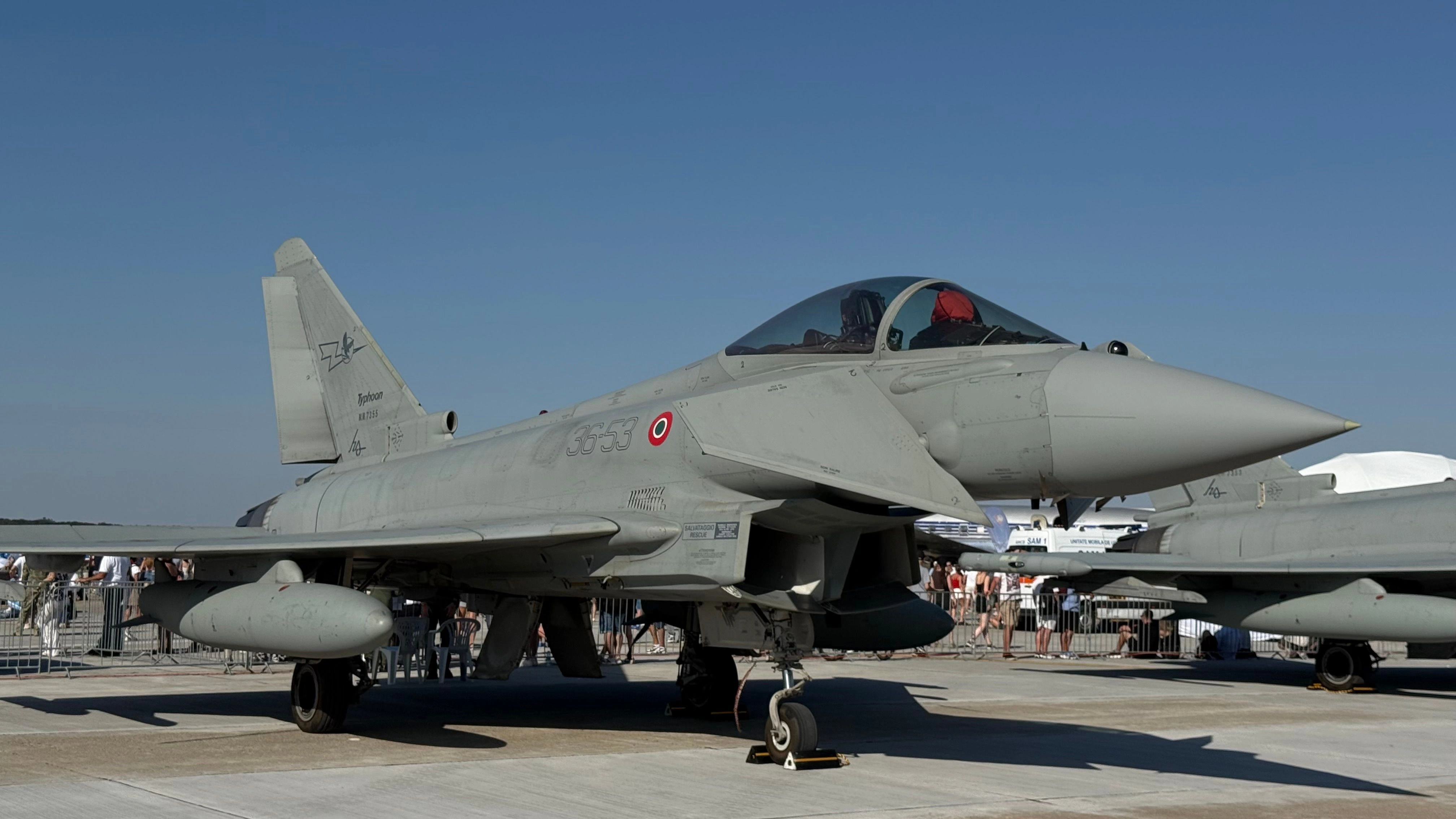
The Typhoon is the fastest active fighter operated by any NATO country outside the United States. The UK, Germany, Spain, Italy, and several other allies fly it. Top speed sits above Mach 2.0 at altitude.
What makes the Typhoon stand out is that it combines genuine speed with real agility a balance most fast aircraft struggle to achieve. Its unusual wing design, with a small forward canard and a large delta main wing, lets it turn sharply without losing speed the way a conventional jet would.
The aircraft has been upgraded continuously since entering service in 2003. The newest Tranche 3 jets carry advanced radar and longer-range missiles that make them far more capable than the early versions.
10. Boeing F/A-18 Super Hornet Mach 1.8
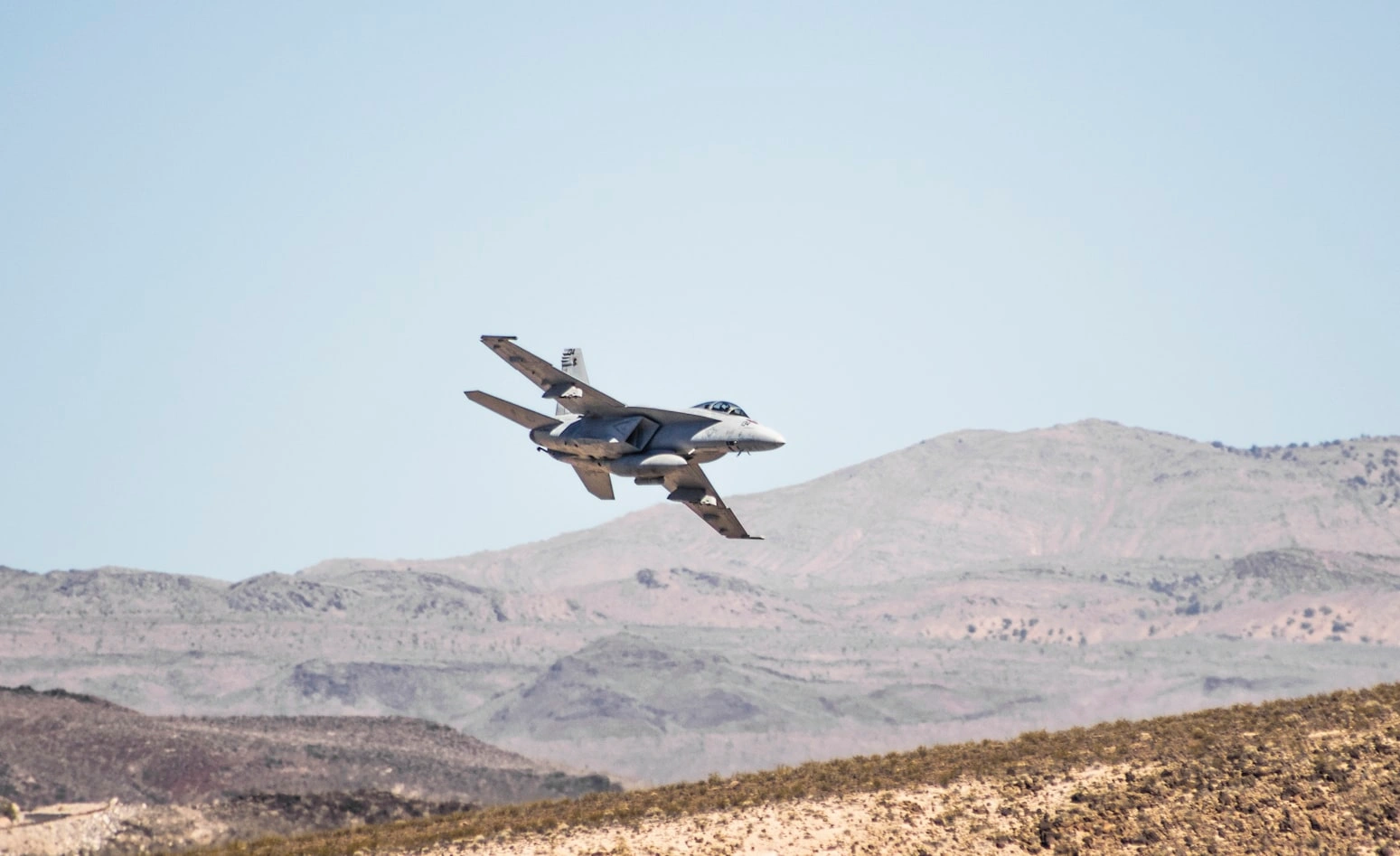
The Super Hornet is the slowest aircraft on this list. At Mach 1.8, it sits well behind everything above it. That needs context.
Carrier-based aircraft live a completely different life from land-based ones. Every flight ends with the plane slamming into the deck of a ship at around 150 mph and catching a wire. Every launch starts with a catapult that pushes the aircraft from zero to flying speed in about two seconds. The airframe has to survive thousands of those cycles over its service life.
Building a carrier jet for extreme speed would mean building something fragile. The Super Hornet is the opposite designed to absorb punishment while still being fast and capable enough to handle any threat it meets.
Within those limits, it delivers Mach 1.8, over 700 km of combat range, and can carry 17,750 lbs of weapons. The US Navy plans to keep it flying alongside the F-35C well into the 2040s.
Why Nobody Is Building a Faster Military Jet Today
Every aircraft on this top ten list was born from Cold War competition. The US and Soviet Union kept building faster jets because the other side kept building faster jets. Speed was the arms race.
That changed after the Cold War ended. Today's military jets are not optimised for raw speed. They are built around stealth the ability to fly without being detected at all. The logic is simple: a plane that nobody can see on radar does not need to outrun missiles. It just needs to avoid triggering them.
The F-22 and F-35 are both slower than the F-15 by design. The speed was traded for a smaller radar signature. The records from the 1960s and 1970s may never be broken by a piloted aircraft again.
That same shift is happening in commercial aviation too. As new supersonic passenger jets move toward service, the gap between military and civilian speed is getting smaller for the first time since Concorde was retired. The New York to Paris route one of the most competitive transatlantic flights in the world will be among the first to feel that change. Air Gazette's breakdown of the best time to fly New York to Paris covers the current picture: airgazette.com/new-york-paris-best-time-to-fly
For more military aviation coverage and airline news, explore everything Air Gazette has published on Airgazette.
Frequently Asked Questions
What is the fastest fighter jet in the world today?
The fastest combat jet still in active regular service is the Russian MiG-31 Foxhound at Mach 2.83. Among American jets currently flying, the F-15 Eagle reaches Mach 2.5 the fastest in the US Air Force inventory.
What is the fastest military aircraft ever built?
The North American X-15, which reached Mach 6.7 4,520 mph on October 3, 1967, piloted by William "Pete" Knight. That record has not been broken. The X-15 was rocket-powered and dropped from a B-52, which makes it different from a conventional fighter, but it was a military program and the record is official.
Is the SR-71 still the fastest jet ever?
The SR-71 is the fastest jet-powered aircraft ever flown meaning it used air-breathing jet engines rather than a rocket. Its official top speed of Mach 3.3 was set in 1976 and still stands. The X-15 was faster overall, but used a rocket engine. The SR-71 was retired in 1998.
How fast is the F-22 compared to other fighters?
The F-22 reaches Mach 2.25 at full speed. More usefully, it can cruise at Mach 1.8 without using afterburner something called supercruise. No other Western fighter in current service can do that. The F-15 Eagle is faster at Mach 2.5, but cannot supercruise.
Why could the MiG-25 only go Mach 2.83 in normal use?
The MiG-25's engines could physically reach Mach 3.2, but going that fast tore them apart. The metal inside the engines would overheat and blow out the back of the jet. Pilots were only allowed to push past Mach 2.83 in genuine life-or-death situations. Even then, the engines would need replacing or could not be replaced at all.
What aircraft replaced the SR-71 Blackbird?
The SR-71's job flying over enemy territory to take photos was taken over by spy satellites and unmanned aircraft like the RQ-4 Global Hawk after it retired in 1998. Lockheed Martin is working on an unmanned successor called the SR-72, designed to reach Mach 6, but no confirmed delivery timeline exists as of 2026.
Can any passenger aircraft match military jet speeds?
No. Passenger jets today cruise at around Mach 0.85 about 560 mph. The Concorde reached Mach 2.04 before it retired in 2003. New supersonic passenger jets currently in development are targeting speeds between Mach 1.7 and 2.2. Even the slowest aircraft on this list the F/A-18 at Mach 1.8 is faster than any commercial aircraft flying today.