You saved $30 on that American Airlines ticket. But if you booked Basic Economy, you gave up every AAdvantage mile, every Loyalty Point, and every inch of progress toward elite status.
That trade-off is now permanent and most passengers booking on American don't realize it until it's too late.
The Change American Airlines Made And Why It's Permanent
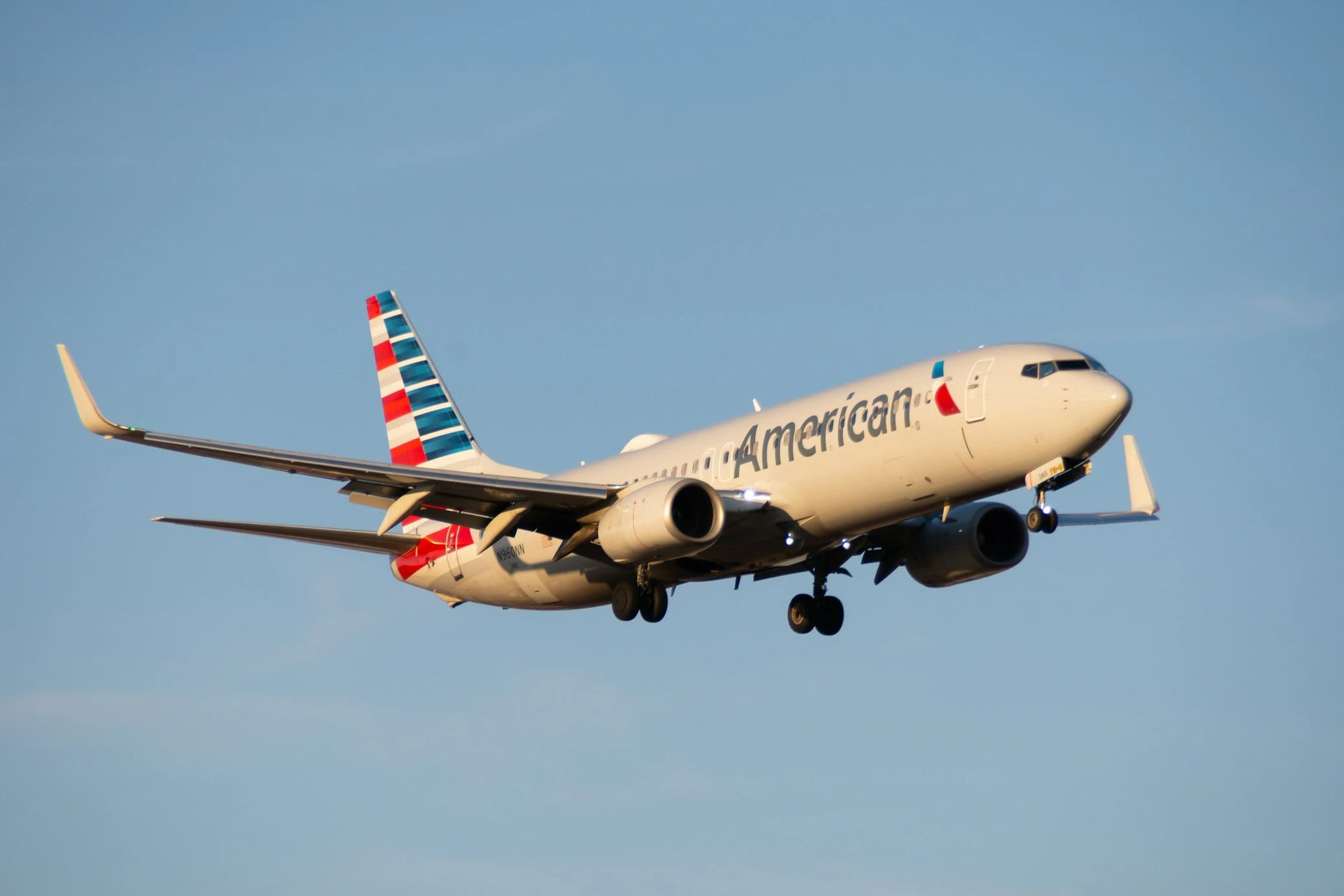
American Airlines permanently removed AAdvantage earning from Basic Economy fares. Tickets purchased at the Basic Economy fare class earn zero miles, zero Loyalty Points, and zero elite qualifying credit regardless of route, distance, or how often you fly.
This is not a temporary promotional restriction. American has structurally separated Basic Economy from the AAdvantage program entirely. You can verify the current fare class earning rules directly in the AAdvantage program terms on American Airlines' website.
Here is exactly what Basic Economy passengers no longer receive:
AAdvantage miles on the base fare
Loyalty Points, which drive all elite status qualification
Elite Qualifying Miles or Segments toward Gold, Platinum, or Executive Platinum
Any credit toward the annual Loyalty Points thresholds required for status
Before this change, a round-trip domestic Basic Economy ticket typically generated between 1,500 and 2,000 AAdvantage miles. Over four to six trips a year, that translated into real redemptions seat upgrades, short domestic award tickets, incremental status progress.
That path is closed. Every Basic Economy ticket on American is now a loyalty dead end.
What Basic Economy Still Includes
The operational restrictions on Basic Economy have not changed. The fare still comes with:
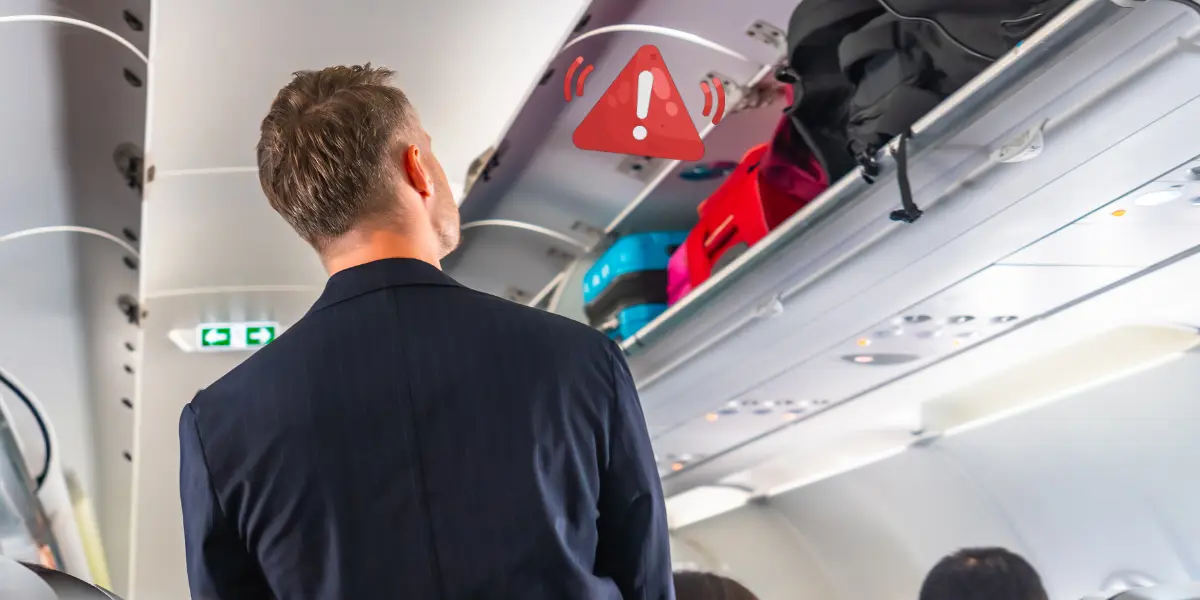
One personal item that fits under the seat in front of you
No advance seat selection (assigned at check-in)
No overhead bin carry-on access
No same-day flight changes
No refunds on most itineraries
The miles removal compounds an already restrictive fare. For travelers who were already weighing what Basic Economy means for carry-on bag access, the loyalty elimination adds another layer to that calculation.
Why American Did This The Revenue Logic
This is a revenue management decision, not a passenger-facing one. The mechanics explain why it happened and why it is unlikely to reverse.
AAdvantage's co-brand credit card partnerships with Citi and Barclays are structured around miles issuance. Card partners pay American a fee for every mile issued through card spend. When American issues miles on Basic Economy flights, it absorbs the cost of that loyalty liability for passengers who generate the lowest ancillary revenue in the system.
The economics by fare class tell the full story:
Passenger Type | Average Ticket Value | Co-Brand Card Conversion | Loyalty ROI for American |
Basic Economy | Lowest | Very low | Negative |
Main Cabin | Moderate | Moderate | Neutral to positive |
Premium Economy / Business | High | High | Strongly positive |
Basic Economy passengers book the cheapest available fare, rarely upgrade, and convert to AAdvantage co-brand credit cards at the lowest rate of any customer segment. From American's perspective, issuing miles to this group was a net cost with no meaningful return.
The restructure draws a hard commercial line. Basic Economy is now a commodity seat priced and treated as such. Main Cabin and above is the loyalty product. American has built that distinction permanently into the fare architecture.
What This Costs a Typical American Airlines Passenger
The real cost of booking Basic Economy on American is not visible at checkout. It accumulates trip by trip, and most passengers only notice it when their status stalls or their miles balance stops growing.
The Status Builder Who Keeps Booking Cheap
Consider a traveler who flies American eight times a year four round trips on domestic routes. They mix Basic Economy on shorter hops with Main Cabin on longer ones, figuring the overall accumulation will eventually push them toward Gold status.
Under the old structure, even Basic Economy trips contributed Loyalty Points. Under the current structure, every Basic Economy booking contributes nothing. That traveler's status trajectory has a hole in it that they may not notice until renewal.
American's current status thresholds are:
Status Tier | Loyalty Points Required Annually |
Gold | 40,000 |
Platinum | 75,000 |
Platinum Pro | 125,000 |
Executive Platinum | 200,000 |
Every Basic Economy ticket is a zero contribution to those thresholds. A mixed booking strategy that relied on Basic Economy trips to pad the total is now a broken strategy.
The Occasional Flyer Who Picked American on Price
For someone flying American three to five times a year on whatever fare is cheapest, the miles removal eliminates a modest but real side benefit. A round trip that once earned 1,500 to 2,000 miles now earns nothing.
That traveler was never close to status. But they were slowly building toward something redeemable, a free bag on an upgrade, a short domestic award ticket after two or three years of flying. That accumulation path is permanently closed on Basic Economy.
The $20 to $40 saved on a Basic Economy fare used to come with a small loyalty offset. It no longer does. The ticket is now purely transactional.
The Corporate Traveler Flying on a Managed Policy
Managed travel programs that route employees into the cheapest available fare on American routes are now booking them into zero-loyalty tickets. If employee miles accumulation is a personal benefit tied to company-funded travel, that benefit is entirely eliminated for Basic Economy bookings.
Companies that care about road warrior satisfaction now have a concrete reason to set a Main Cabin minimum on American routes not just for comfort, but because the loyalty math no longer works below that threshold.
American Airlines Basic Economy vs. Main Cabin: The Full Gap
The price difference between Basic Economy and Main Cabin on American is typically $20 to $60 on domestic routes. That gap now needs to be evaluated against everything you give up, not just the fare difference.
Feature | Basic Economy | Main Cabin |
AAdvantage Miles | None | Earns on base fare |
Loyalty Points | None | Full earning |
Seat Selection | Not available at booking | Available at booking |
Carry-On Bag (overhead) | Not included | Included |
Same-Day Flight Change | Not permitted | Permitted (fee may apply) |
Flight Changes / Refunds | No (most itineraries) | Yes (with applicable fee) |
Upgrade Eligibility | Not eligible | Eligible |
For any traveler who flies American more than three times a year and cares about AAdvantage at all, Main Cabin is now the rational minimum. The question is whether the Main Cabin premium on your specific routes makes that commitment financially viable or whether it pushes you toward a competitor.
How American Compares to Delta and United Right Now
This is the most important comparison for anyone re-evaluating their primary carrier. American has moved furthest, but the gap between the three legacy carriers is real and consequential.
American AAdvantage Basic Economy: Zero earning on miles, Loyalty Points, and elite qualifying credit. Permanent, effective across all routes.
Delta SkyMiles Basic Economy: Delta restricts Basic Economy operationally no seat selection, no changes, no refunds but still awards SkyMiles on Basic Economy fares. The earning rate is reduced relative to Main Cabin, but it is not zero.
United MileagePlus Basic Economy: United similarly restricts Basic Economy operationally but continues to award MileagePlus miles on those tickets. Base fare earning still applies.
The gap is clear. American is the only US legacy carrier that has fully eliminated miles on Basic Economy. That creates a direct competitive disadvantage for American among price-sensitive frequent flyers who still want loyalty credit.
Bureau of Transportation Statistics data on US airline ancillary revenue shows how aggressively carriers have restructured unbundled fee income the loyalty strip on Basic Economy is the next layer of that same unbundling strategy. Delta and United are watching American's loyalty revenue metrics. If the change improves American's per-passenger loyalty economics without a material drop in Basic Economy bookings, both carriers have a financial incentive to follow.
For travelers currently loyal to American who book Basic Economy regularly, that competitive window is worth acting on. Redirecting a portion of your annual flying to Delta or United on routes where Basic Economy is your likely fare class gives you miles credit American will no longer provide. The AAdvantage miles strategy for high-demand travel periods is worth reviewing if you are rethinking how to build program value going forward.
Where the Loyalty Industry Is Heading
American's Basic Economy change is not a standalone decision. It is the most visible move in a broader structural shift reshaping how US legacy carriers think about loyalty programs.
Loyalty programs are being rebuilt as premium retention tools for high-value passengers. The mass-market model where even a cheap ticket earned something is being unwound systematically. American is simply the first to act at the fare class level.
Several forces are accelerating this shift:
Co-brand credit card revenue now accounts for a larger share of airline loyalty profit than flight-based earning. Every carrier has a financial incentive to push earning toward card spend and away from budget fare purchases.
Delta has already tightened Basic Economy operationally more than United. A miles elimination step is a smaller move than it appears from the current position.
United's MileagePlus restructure moved toward revenue-based earning, which already depresses returns for low-fare passengers even without a full elimination.
Airlines are applying AI-driven dynamic pricing to segment every passenger independently. Basic Economy travelers are the segment with the lowest loyalty return on investment. The structural math will eventually push most legacy carriers toward the same position American has already taken.
The practical implication for frequent flyers: the window for building AAdvantage value through flight purchases on budget fares is closed on American. The remaining path to meaningful accumulation runs through Main Cabin and above or through co-brand credit card spend, which is unaffected by this policy.
How to Rethink Your American Airlines Booking Strategy
The right response depends on your travel pattern. Here is the framework:
If you fly American fewer than four times a year: Basic Economy may still be the right call on price. You were not on a meaningful path to status regardless, and the miles you forgo are low value at low frequency. Take the savings and accept the ticket for what it is a seat with no loyalty return.
If you fly four to eight times a year and care about miles: Run the numbers on your specific routes before defaulting to the cheapest fare. On many domestic markets, the Main Cabin premium is $20 to $40. That is roughly the cash value of the miles you would have earned before the policy change meaning the trade-off is approximately neutral on price, but Main Cabin restores carry-on access, seat selection, and change eligibility simultaneously.
If you are actively building toward Gold or Platinum status: Every Basic Economy booking on American is now dead weight in your status year. Main Cabin is your minimum on every qualifying flight, without exception. The Loyalty Points gap compounds faster than most flyers calculate when spread across a full travel year.
If you are evaluating a carrier switch: The miles gap between American Basic Economy and Delta or United Basic Economy is now material. If budget fares make up a significant share of your annual flying, a carrier where Basic Economy still earns something has a structural loyalty advantage over American for your specific pattern.
Seat comfort is also part of the Main Cabin decision. Beyond the miles, upgrading from Basic Economy to Main Cabin buys you advance seat selection and on American's narrowbody domestic fleet, that difference can mean an exit row versus a middle seat in the last boarding group. How American Airlines seat sizes and legroom compare across aircraft types is worth understanding before committing to a fare class for the year.
Conclusion
American Airlines has made a permanent structural decision. Basic Economy is no longer a loyalty product on American it is a commodity seat, priced low and stripped of every benefit except the flight itself.
For travelers who fly American occasionally and never engaged with AAdvantage, the practical impact is small. For status builders, for mixed-strategy frequent flyers, and for corporate programs managing employee travel satisfaction, the math has fundamentally changed.
Delta and United are watching. The industry direction is toward loyalty programs that reward spend, not fares. American moved first. The right response is not to ignore that it is to build a booking strategy that accounts for it.
Understand where your miles are actually coming from, check whether your fare class is still working for you, and make the adjustment before another year of Basic Economy bookings locks you into a strategy that no longer delivers. For more on how American Airlines policies, loyalty program changes, and fare strategy affect frequent flyers, explore the full coverage at Air Gazette.
Frequently Asked Questions
Does American Airlines Basic Economy earn AAdvantage miles?
No. American Airlines Basic Economy earns zero AAdvantage miles, zero Loyalty Points, and zero elite qualifying credit. This applies to all routes and all tickets purchased under the Basic Economy fare class. The policy is permanent.
Can you change a Basic Economy flight on American Airlines?
No. American Airlines Basic Economy tickets do not permit same-day changes or standard itinerary modifications. Most Basic Economy fares are also non-refundable. You need Main Cabin or above to retain any change or cancellation flexibility.
What is the difference between American Airlines economy vs Basic Economy?
Main Cabin includes AAdvantage miles earning, Loyalty Points, advance seat selection, overhead carry-on bag access, same-day change eligibility, and upgrade eligibility. Basic Economy removes every one of those benefits. The price gap is typically $20 to $60 on domestic routes depending on market and booking window.
Does Basic Economy on American Airlines allow a carry-on bag?
No. American Airlines Basic Economy does not include overhead bin access. You are permitted one personal item that fits under the seat. A standard carry-on bag requires either checking it at the gate or upgrading to Main Cabin at booking.
Do Delta and United still award miles on Basic Economy?
Yes, as of the current policy. Delta and United both still award miles on Basic Economy fares, though at reduced rates in some cases. American is the only US legacy carrier that has fully eliminated miles on Basic Economy. Both carriers are monitoring American's results before making a comparable move.
Does AAdvantage elite status change what you earn on Basic Economy?
No. Elite status does not restore miles earning on Basic Economy tickets. The zero-earning policy applies regardless of your AAdvantage tier Gold, Platinum, Platinum Pro, or Executive Platinum. A Basic Economy ticket earns nothing whether you have status or not.
How do you still earn AAdvantage miles if you book Basic Economy?
The primary path is AAdvantage co-brand credit card spend through Citi or Barclays. Miles earned on card purchases are not affected by the Basic Economy fare class policy. For travelers who are price-sensitive on fares but want to stay in AAdvantage, shifting earning emphasis to card spend is the most viable response to the current structure.