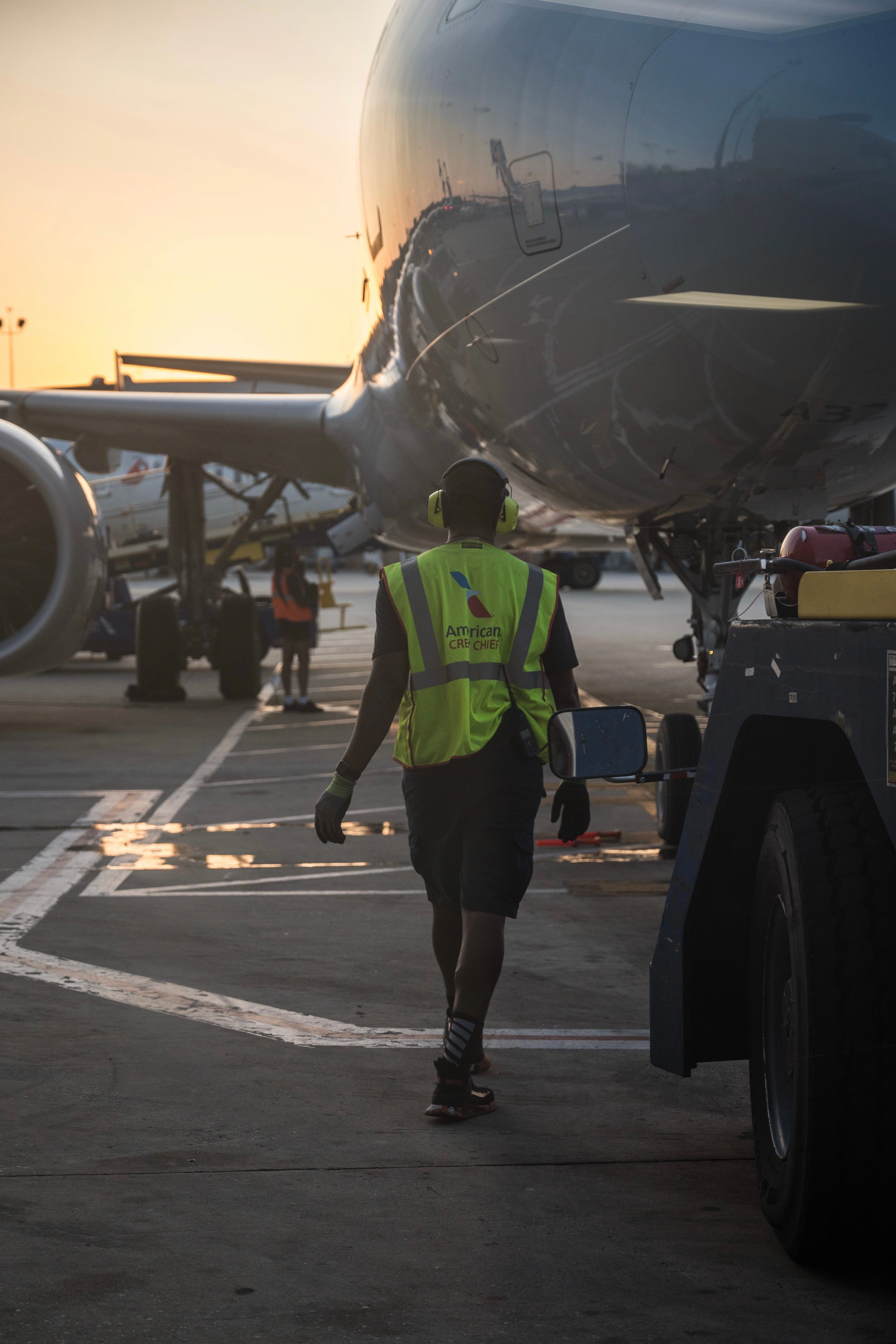
The US airline industry employs over one million people. As of March 2026, the Bureau of Transportation Statistics put the total at 1,029,101 workers and hiring is still going up.
This guide covers every main job type, what each one pays, and how to get started.
What Kinds of Airline Jobs Are There in the USA
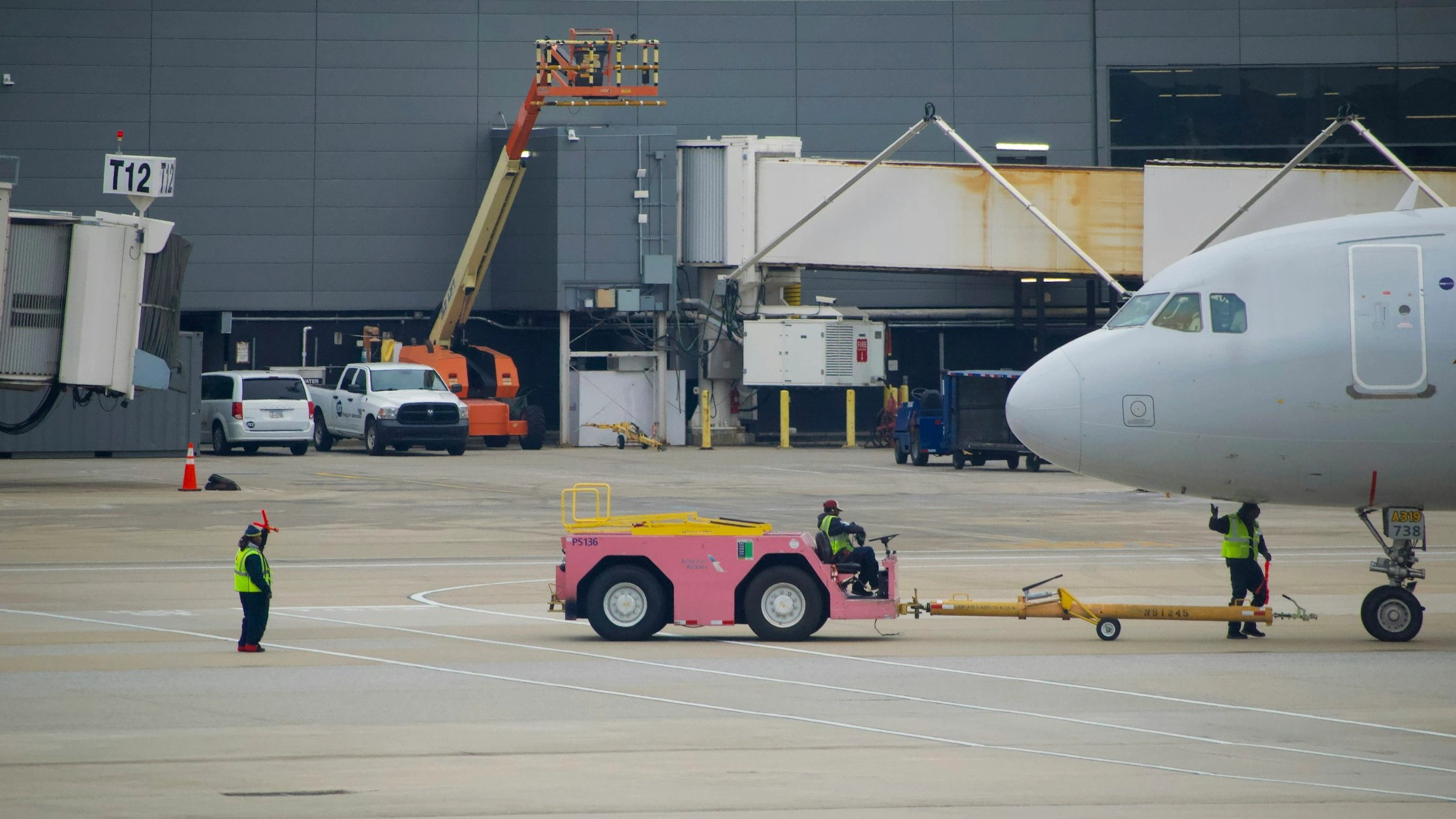
Most people think of pilots when they hear "airline jobs." But pilots are actually a small part of the total workforce. Airlines hire for a wide range of roles from fixing aircraft to helping passengers at the gate.
Here are the main job types:
Pilots: fly the aircraft
Flight attendants: look after passengers on board
Aircraft mechanics: inspect, repair, and maintain the planes
Ramp agents: handle bags, load cargo, and guide aircraft on the ground
Gate agents and customer service staff: help passengers at the airport
Airline dispatchers: plan and approve flights from the ground
Remote and office roles: customer service from home, IT, finance, HR
Some jobs need an FAA licence or certificate. Others just need a high school diploma and a clear background check. There is something for almost every starting point.
The Spirit Airlines shutdown in May 2026 removed around 10,000 jobs from the market. However, Delta, United, American, and Southwest have been hiring quickly to fill the gap. To understand how airline closures affect who is hiring and when, read about what the Spirit Airlines shutdown means for aviation jobs.
Airline Pilot Salaries and How to Become One
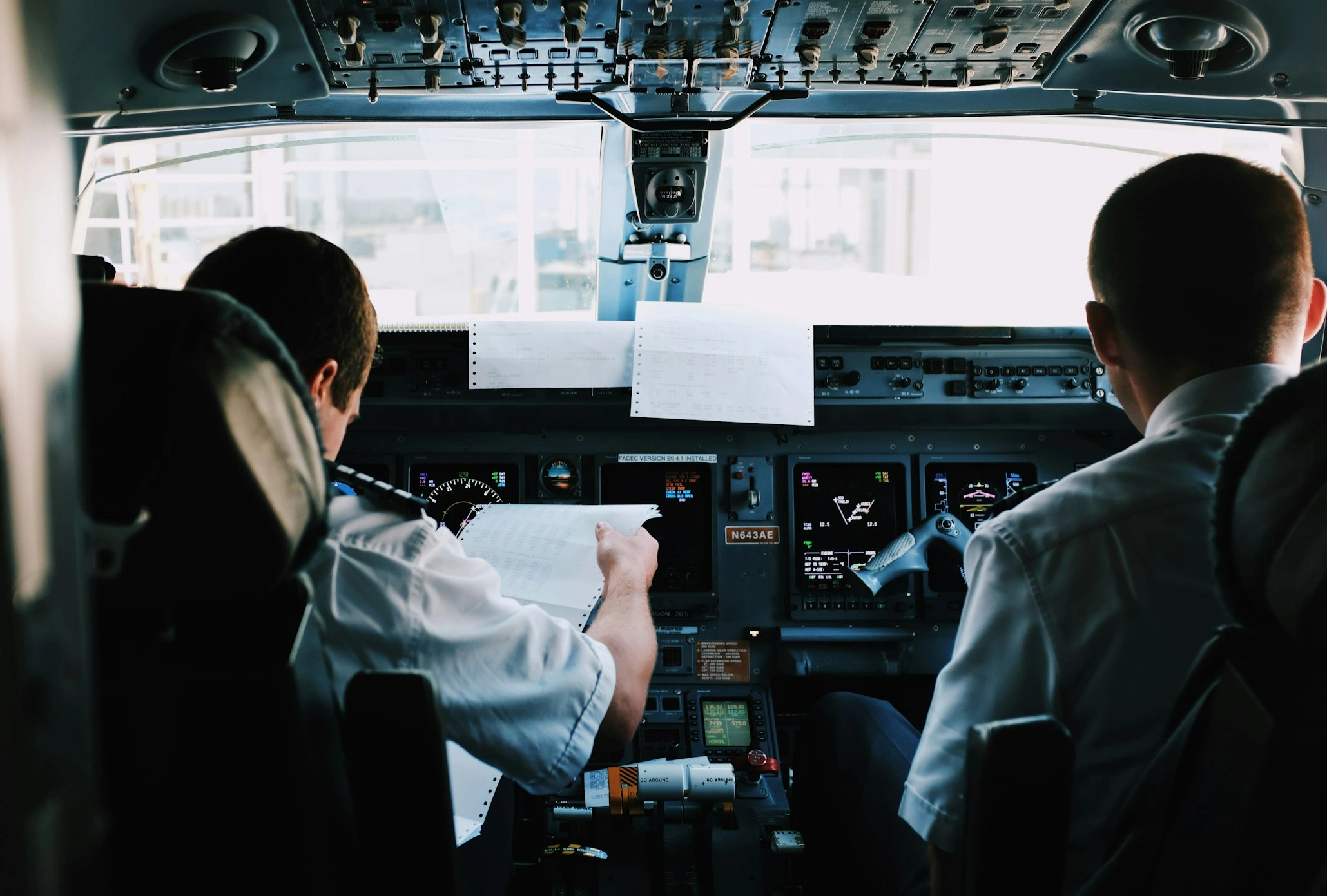
Flying for a US airline is one of the best-paying jobs in the country. According to the US Bureau of Labor Statistics, the median annual pay for airline pilots was $226,600 in May 2024. That means half of all airline pilots earn more than that, and half earn less. The top 10% earn above $239,200 in base pay though senior captains at major airlines often take home far more when you count profit-sharing and other bonuses.
Here is a rough picture of how pilot pay grows over a career:
Career Stage | Role | Approximate Annual Pay |
Starting out (regional airline) | First Officer | $70,000–$90,000 |
A few years in (major airline) | First Officer | $120,000–$180,000 |
Senior (major airline, smaller planes) | Captain | $220,000–$280,000 |
Peak (major airline, long-haul routes) | Captain | $300,000–$400,000+ |
To fly for a US airline, you need an FAA Airline Transport Pilot (ATP) certificate, at least 1,500 hours of flight time, and a current medical certificate. Most pilots start at smaller regional carriers to build up their hours before moving to a major airline.
Why There Are So Many Pilot Jobs Right Now
The US is currently short roughly 24,000 commercial pilots. Older pilots are retiring faster than new ones are qualifying. As a result, airlines are competing hard for new pilots. In early 2026, major carriers had over 7,500 open pilot positions. Many regional airlines now pay first-year co-pilots $70,000 or more to attract applicants a pay level that would have seemed impossible five years ago.
If you want to compare exactly what the three biggest US airlines pay their pilots, the United Airlines, American Airlines, and Delta pilot salary breakdown has the full numbers by rank and year of service.
Flight Attendant Salaries and How to Get the Job
Flight attendants are the face of every flight. According to the Bureau of Labor Statistics, the median annual pay for flight attendants was $67,130 in May 2024. The BLS also projects that flight attendant jobs will grow by 9% between 2024 and 2034 that is faster than most other occupations.
Pay rises steadily with seniority. United Airlines publishes its pay scale directly on its careers page. As of May 2026, first-year flight attendants earn $44.58 per hour. Senior flight attendants at the top of the scale earn $84.92 per hour. At 85 guaranteed hours per month, a first-year attendant earns around $45,000 per year in base pay. A senior attendant at the top scale earns above $86,000 in base pay alone.
How flight attendant pay grows over time at major US carriers:
Years with Airline | Hourly Rate | Approximate Annual Pay |
Year 1 | $25–$45/hr | $28,000–$45,000 |
5–8 years | $55–$70/hr | $56,000–$72,000 |
12+ years | $80–$100+/hr | $82,000–$100,000+ |
On top of base pay, flight attendants earn a daily allowance for every hour they spend away from their home city. This is called per diem. Domestic trips typically pay around $2.00–$2.50 per hour away from base. International trips pay around $3.00 per hour. These amounts are tax-free and add several thousand dollars to annual take-home pay.
What Airlines Look for When Hiring Flight Attendants
Most airlines ask for the same basic things: you need to be at least 21 years old, hold a high school diploma, be legally allowed to work in the US, and be physically able to do the job including reaching overhead compartments and operating emergency doors.
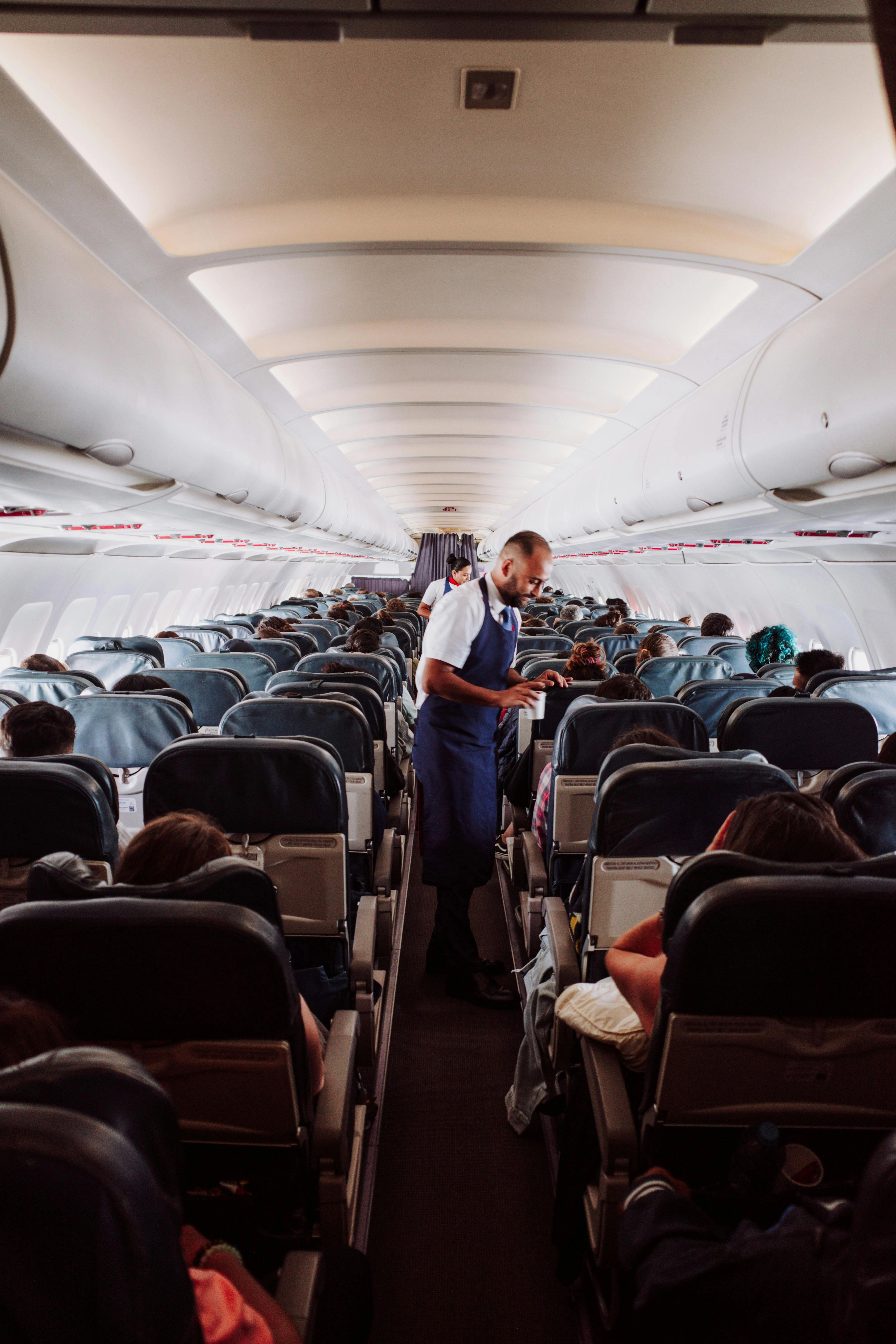
Delta, United, and American are all actively hiring flight attendants as of mid-2026. You apply through each airline's own careers website. The process usually includes a video interview, an in-person or online assessment day, and a background and medical check.
Aircraft Mechanic Salaries and the Certification You Need
Aircraft mechanics are among the most in-demand workers in US aviation right now. The Bureau of Labor Statistics reports a median annual pay of $78,680 for aircraft mechanics and service technicians as of May 2024. At major airlines, experienced mechanics regularly earn between $90,000 and $120,000. Cargo carriers like FedEx and UPS pay the most top mechanics with overtime and bonuses can earn above $150,000 in total take-home.
How pay varies depending on where you work:
Employer Type | Approximate Annual Pay |
Major passenger airlines | ~$89,540 |
Aircraft manufacturing companies | ~$88,770 |
Independent repair shops | ~$66,960 |
Cargo carriers (FedEx, UPS) | $100,000–$155,000+ |
The key qualification is the FAA Airframe and Powerplant (A&P) certificate. Without it, you can work as an unlicensed helper but at lower pay and with limited scope. To get the A&P, you either complete an approved training programme usually 18 to 24 months or document 30 months of qualifying hands-on work before sitting three separate FAA exams.
Boeing projects that North America will need 123,000 new maintenance workers over the next 20 years. That is not a speculative number it is based on planes already on order and a large wave of retirements coming soon. Many airlines and repair shops are offering signing bonuses of $5,000–$15,000 right now, and some offer up to $50,000 in training fee reimbursement for mechanics who stay for several years.
Ground, Dispatch, and Remote Airline Jobs
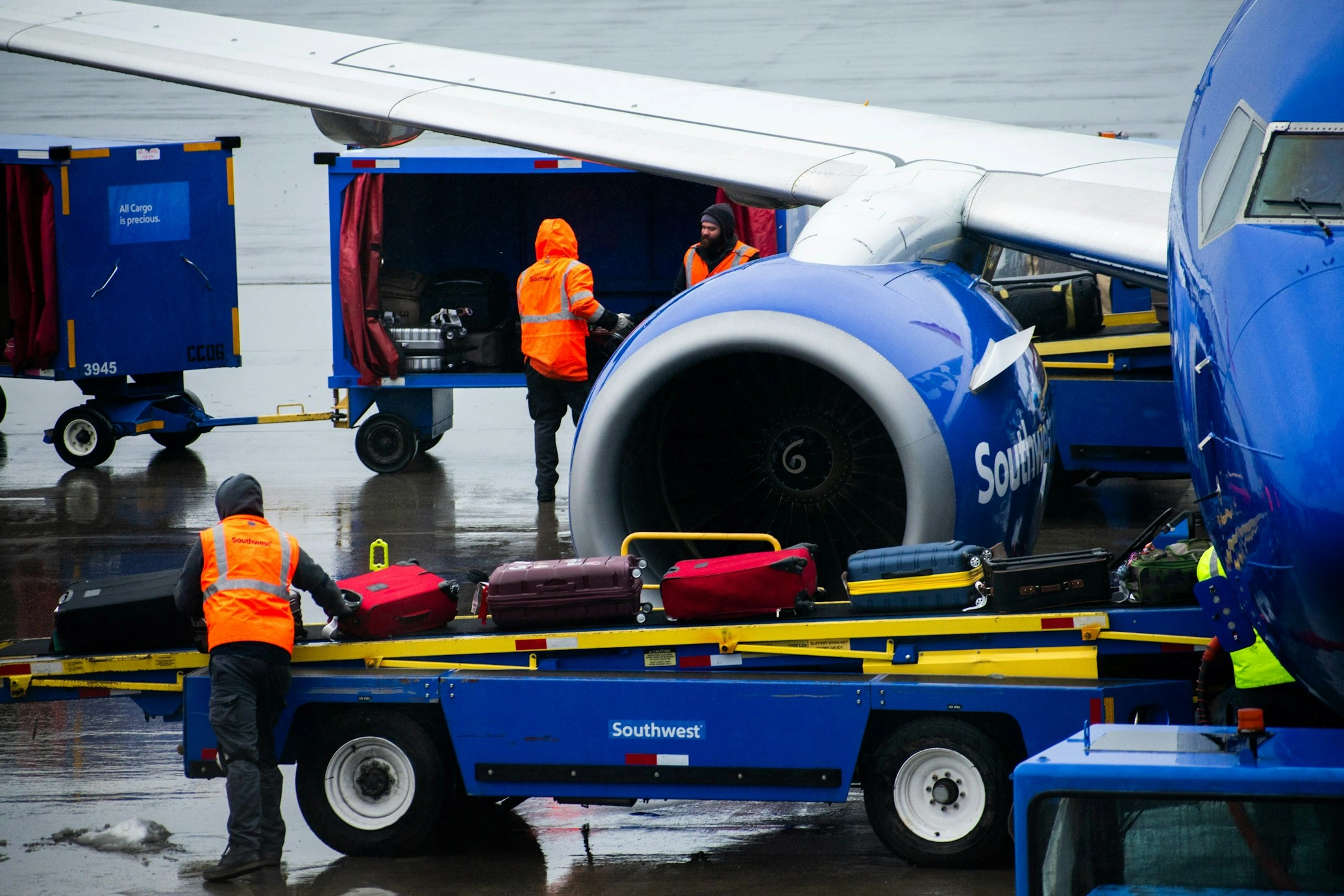
Not every airline job involves flying or fixing planes. Airlines are large employers and they hire across many other areas too.
Common non-flying roles and what they pay:
Job | FAA Licence Needed | Annual Pay Range |
Airline dispatcher | Yes (ADX certificate) | $65,000–$110,000 |
Ramp agent | No | $38,000–$55,000 |
Airport customer service agent | No | $32,000–$50,000 |
Aviation safety inspector | Yes (ATP or A&P) | $80,000–$130,000 |
Revenue management analyst | No | $70,000–$120,000 |
Remote customer service agent | No | $35,000–$55,000 |
Source: BLS; airline career portals; ZipRecruiter industry data, 2026
Airline dispatcher is one of the least talked-about roles in aviation, but it is well paid and genuinely important. Dispatchers work from the ground and share legal responsibility with the captain for every flight they approve. To become one, you need to pass an FAA Aircraft Dispatcher exam after completing an approved course usually around 200 to 250 hours of study. Senior dispatchers at major carriers can earn up to $110,000.
Remote airline jobs have grown a lot in recent years. Customer service, booking support, IT help, and some planning roles can now be done from home at several major airlines. These jobs come with full employee benefits including free or heavily discounted flights.
New aircraft and new cabin layouts are also changing what airlines need from their ground and cabin teams. If you want to understand how the latest business class products are reshaping what cabin crew need to know, this piece on how the future of business class is changing airline cabin roles explains it clearly.
Where to Find and Apply for Airline Jobs in the USA
The best place to look for open jobs is directly on each airline's own careers website. Airlines post most roles there first, before job boards pick them up.
Where to search for airline jobs:
Delta Careers careers.delta.com
United Airlines Careers careers.united.com
American Airlines Jobs jobs.aa.com
Southwest Airlines Careers careers.southwestair.com
USAJobs.gov FAA, TSA, and other federal aviation roles
AVjobs.com covers airlines, charter operators, and cargo carriers
AviationJobSearch.com strong for pilot and mechanic openings
For anyone pursuing a pilot or mechanic licence, the FAA certification page is the official starting point it lists every approved training programme and the exact requirements for each licence.
For official job growth projections and salary ranges across all aviation roles, the Bureau of Labor Statistics Occupational Outlook Handbook is the most reliable source available.
Flight attendant and ground staff applications are usually open year-round at major carriers. Pilot hiring is more competitive airlines want specific qualifications, simulator assessments, and interviews. Mechanic hiring moves fast when you hold a current A&P certificate.
Conclusion
US airlines are hiring across the board in 2026. Pilot pay is the highest it has ever been. Flight attendants are earning more thanks to new union agreements. Aircraft mechanics are in short supply, which means better pay and signing bonuses for qualified applicants. And for people who want to get started without years of training, ground and remote roles offer a real way in.
For more aviation career guides and airline coverage, explore everything Air Gazette has published at airgazette.com.
Frequently Asked Questions
What is the highest-paying airline job in the USA?
Airline captain at a major US carrier is the top-paying aviation role. According to the Bureau of Labor Statistics, the median annual pay for airline pilots was $226,600 in May 2024. Senior captains flying long-haul international routes at Delta, United, or American can earn between $300,000 and $400,000 or more per year when profit-sharing is included.
How do I become a flight attendant in the USA?
Apply directly through the careers page of the airline you want to work for. You need to be at least 21 years old, hold a high school diploma, have the legal right to work in the US, and be physically able to carry out safety duties. Delta, United, and American are all hiring as of mid-2026. The airline provides all training after you are hired.
Is there a pilot shortage in the USA in 2026?
Yes. The US is short around 24,000 commercial pilots. Retirements are happening faster than new pilots are qualifying. As a result, major airlines posted over 7,500 open pilot positions in early 2026, and regional carriers are now paying first-year co-pilots $70,000 or more to attract new applicants.
What does an aircraft mechanic earn in the USA?
The Bureau of Labor Statistics reports a median annual pay of $78,680 for aircraft mechanics based on May 2024 data. At major passenger airlines, experienced mechanics typically earn $90,000 to $120,000. Cargo carrier mechanics with regular overtime can earn above $150,000 in total annual pay.
What airline jobs do not require a degree or licence?
Ramp agent, airport customer service agent, and many remote airline roles only require a high school diploma. Aircraft mechanics need an FAA A&P certificate rather than a university degree, and that certificate can be earned in 18 to 24 months through an approved training programme.
What are remote airline jobs in the USA?
Remote airline jobs include customer service agents, booking support staff, IT roles, and some planning positions. Several major US airlines now hire for these roles without requiring you to live near an airport. Remote airline employees generally receive the same travel benefits as on-site staff.
How long does it take to become an airline pilot in the USA?
Starting from zero, most people reach a regional airline co-pilot position in three to five years. The FAA requires at least 1,500 flight hours and an Airline Transport Pilot (ATP) certificate to fly passengers commercially. Most pilots build their hours as flight instructors or on charter work before applying to a regional carrier.