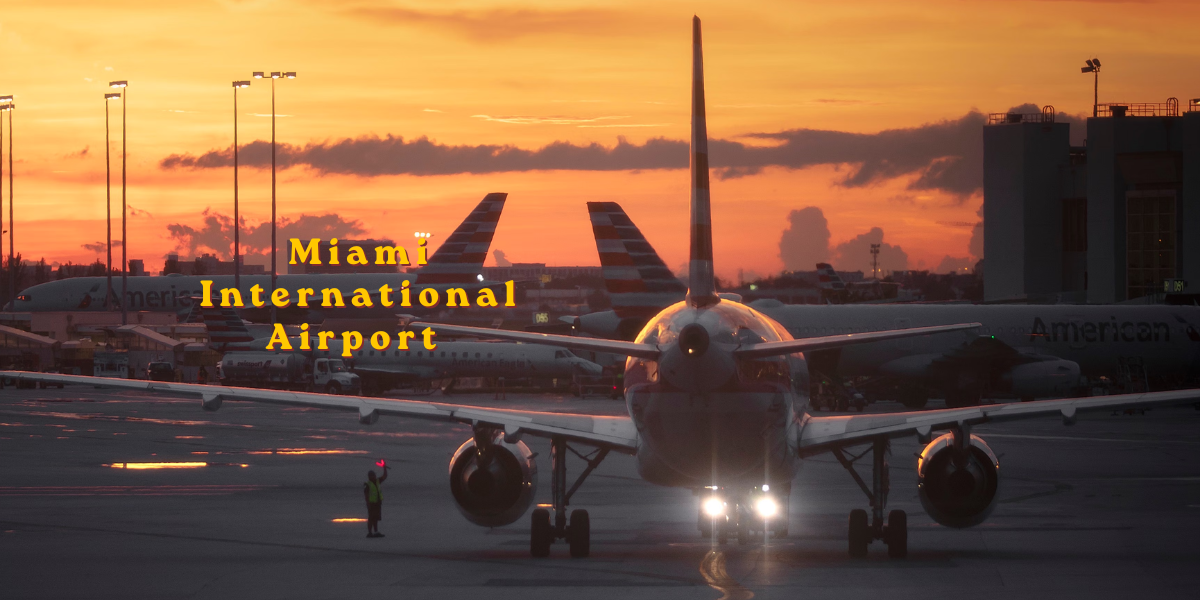
Most airports tolerate plane spotters. Miami International Airport built infrastructure for them.
MIA is the only major US hub where the authority cut camera-sized holes directly into the perimeter fence labeled "Photo Use Only" so photographers can shoot clean frames without pressing a lens through chain link. Smaller regional airports in South Florida have viewing areas, but no other hub in the top five busiest US airports has done this. That single detail tells you everything about why MIA sits at the top of every serious spotter's list.
Quick answer: Go to The Holes on NW 25th Street for the official, easiest experience with domestic and European traffic. Go to El Dorado on NW 72nd Avenue if you specifically want Latin American wide bodies and cargo heavies on runway 09. Serious spotters do both in one day El Dorado at sunrise, The Holes in the afternoon.
Why Miami International Airport Leads Every US Plane Spotting Ranking
Upgraded Points analyzed the 50 busiest US airports across 11 categories runway count, daily movements, international carrier mix, spotting location count, weather reliability, and accessibility. Miami International Airport ranked first.
MIA handles 1,370 takeoffs and landings per day and has 18 confirmed spotting locations. It averages fewer foggy days than any major US hub north of the Sun Belt. Unlike Newark, where delays define the visitor experience, MIA runs a consistent operation year-round. Second place went to JFK. Third to Dallas-Fort Worth. Neither of those hubs has camera holes cut into the fence.
What Makes MIA's Traffic Different From Every Other US Airport
American Airlines operates MIA as a hub, providing a constant rotation of narrowbodies and widebodies. The international layer is what elevates it. MIA is the primary US gateway to Latin America LATAM, Avianca, COPA, Aerolíneas Argentinas, Aeroméxico, Caribbean Airlines, and Bahamas Air all operate regular service. European heavies from British Airways, Lufthansa, Air France, and Iberia add another tier. MIA is also the 12th largest cargo airport in the world, which means freighters from operators you will not see at JFK or LAX show up regularly.
No other US airport delivers this aircraft variety in a single visit.
The Holes: MIA's Official Plane Spotting Location
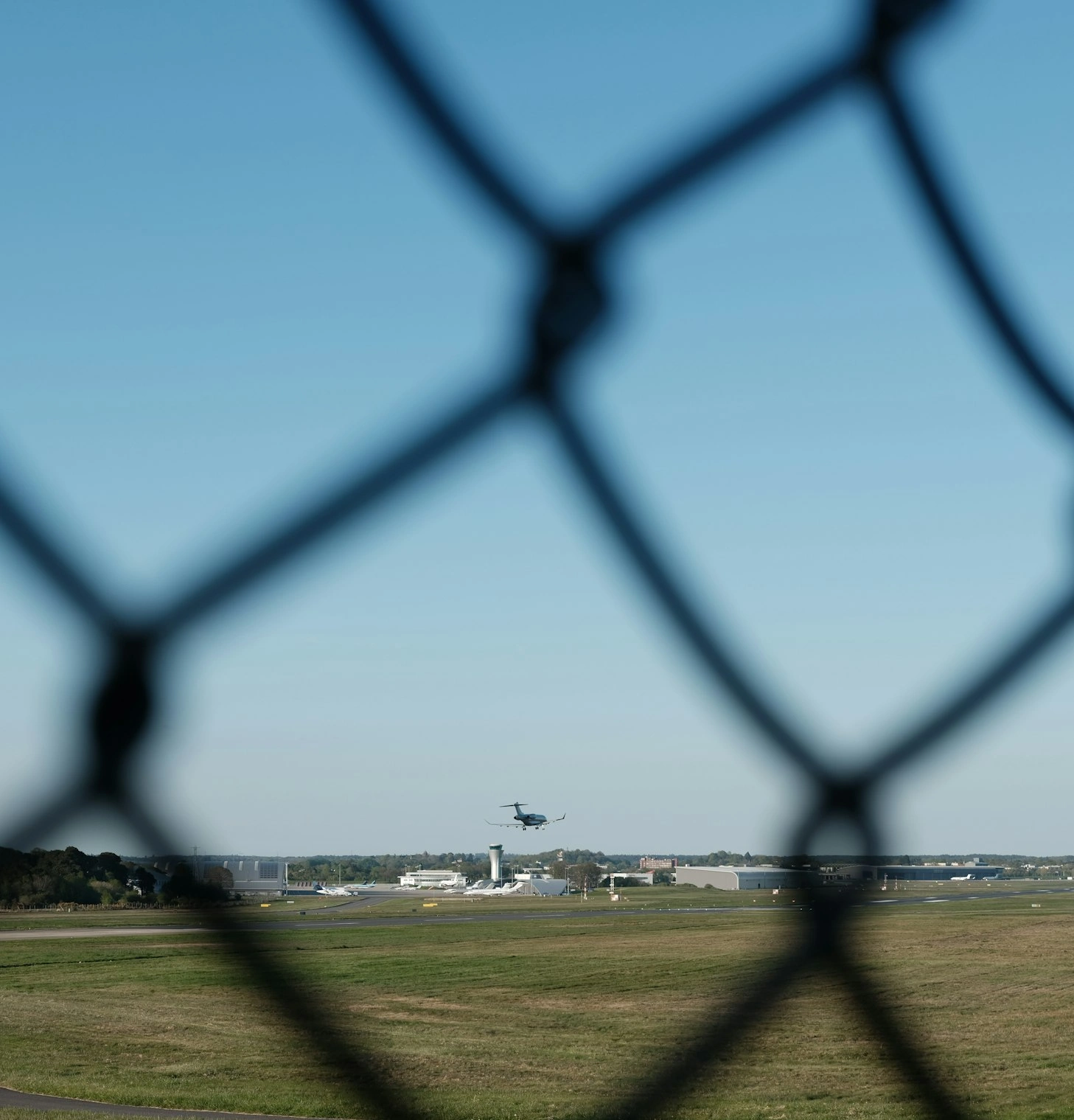
The Holes is the only officially sanctioned spotting location at MIA. The airport authority cut approximately six camera-sized viewing ports into the perimeter fence on NW 25th Street, just east of the US Customs building each labeled "Photo Use Only" and positioned at roughly eye level.
From The Holes, you get direct views of runways 08L, 08R, and 12. Runway 12 operations are particularly close aircraft pass almost directly in front of the fence, so no long glass is required. Most photographers find 250mm more than sufficient. The 08L and 08R holding points are visible simultaneously, which means you rarely miss a departure.
How to Get to The Holes
From the Palmetto Parkway (Florida State Route 826), take the NW 25th Street exit and head east through three traffic lights. Pass the US Customs building on your left The Holes are immediately after it against the fence.
Parking: Free dirt lot directly across the road
Lens range: 50–250mm covers most movements
Best light: Winter months, late morning through early afternoon
Bring: Water, sunscreen, and a chair no shade exists at this location
Note: Ladders are prohibited and attract immediate security attention
El Dorado: The Spot Locals Actually Use for Plane Spotting Miami
The Holes is the official location. El Dorado is where regulars go.
This spot sits at the dead end of NW 72nd Avenue on the southern perimeter. It is not officially sanctioned but is well documented and largely tolerated by police as long as cars do not block the street. Concrete K-rails at the road's end function as natural vantage points above the fence line, with clear views of runway 09.
Runway 09 is where cargo flights and South American international heavies operate. Consequently, El Dorado produces better results than The Holes for international and freighter traffic an Aerolíneas Argentinas 777 or a LATAM A350 will most likely arrive and depart here rather than on the northern runways.
Parking: Street parking on NW 72nd Ave not the El Dorado or police station lots
Lens range: 300mm is sufficient for most movements
Best light: Morning is optimal as light comes from behind
Note: Freight trains occasionally park on the tracks between the street and the runway
A rideshare between El Dorado and The Holes runs about $6–$8. Most serious spotters cover both in a single day El Dorado in the morning, The Holes in the afternoon.
Location | Official | Runways | Best For | Shade |
The Holes | Yes | 08L, 08R, 12 | Domestic & European arrivals | None |
El Dorado | No | 09 | South American & cargo heavies | Partial |
What You Will Actually See at Miami Airport
Understanding MIA's traffic pattern makes the visit significantly more productive. The aircraft mix follows a predictable rhythm by time of day.
Morning arrivals between 6 a.m. and 10 a.m. are dominated by overnight transatlantic flights European widebodies from British Airways, Iberia, Air France, and Lufthansa. This is the window for the most interesting European equipment, including A380 and 777-300ER movements.
Midday through early afternoon is the Latin American peak. LATAM, Avianca, COPA, and Aerolíneas Argentinas cycle through arrivals and departures in a concentrated window. Cargo operations are also busiest during this period on the western aprons.
Evening departures from 5 p.m. onward include European overnight services repositioning for departure the same widebodies you photographed arriving in the morning. Combined with the close approach distances MIA's runway geometry allows near the fence line, the evening window is productive for departure shots.
The cargo aprons along NW 22nd Street on the western perimeter offer a third option for logging freighter movements. A slow drive past gives you a visual inventory of operators not visible from The Holes or El Dorado though extended stops are not recommended here.
Best Time to Visit Miami Airport for Plane Spotting
MIA operates year-round with minimal weather disruption. That said, timing makes a meaningful difference to photography quality and aircraft variety.
Winter (November through March) is the optimal window. Sun position puts natural light behind photographers at both locations for most of the day. Heat haze is minimal. European widebody frequency also increases as carriers add winter capacity for Florida tourism. For anyone interested in the world's longest flights several of which operate into MIA winter is when the most interesting equipment appears most often.
Summer (June through August) is the busiest period for passenger traffic but the hardest for photography. Heat haze builds by mid-morning at El Dorado particularly. Arrive before 9 a.m. or after 4 p.m. for usable conditions.
Weekday mornings produce the most consistent international traffic. Weekend schedules vary more, particularly for cargo and charter operators.
How MIA Compares to Other US Plane Spotting Airports
MIA ranked first in Upgraded Points' analysis of the 50 busiest US airports across 11 categories including daily movements, international carrier mix, and spotting location count. Understanding what the other top airports offer clarifies what makes Miami genuinely different.
JFK in second place has the TWA Hotel rooftop bar with runway views and a stronger mix of Asian and Middle Eastern carriers. However, JFK has no dedicated spotting infrastructure every location is improvised. DFW in third has Founders Plaza, a purpose-built public park with picnic tables, telescopes, and a live ATC radio feed. What DFW lacks is MIA's Latin American traffic diversity.
LAX in fourth and ORD in fifth both have inconsistent police enforcement and difficult access. Neither matches MIA's international carrier variety and neither has cut a single hole in their fence for photographers.
For more aviation guides and airport coverage, visit Air Gazette.
Frequently Asked Questions
Is plane spotting legal at Miami International Airport?
Yes. The Holes on NW 25th Street is an officially sanctioned spotting location with camera holes cut into the fence by the airport authority. El Dorado on NW 72nd Avenue is not officially sanctioned but is widely tolerated. Always carry ID and follow any instructions from Miami-Dade Police officers.
What is the best spot for plane spotting at MIA?
The Holes is the official location and best for runway 08L, 08R, and 12 operations. El Dorado is the local favorite and better for South American and cargo heavies on runway 09. Most experienced spotters cover both locations in a single visit.
What equipment do I need for plane spotting at Miami Airport?
A 250mm lens covers most movements at The Holes. El Dorado requires up to 300mm for comfortable shots of aircraft on runway 09. Both locations are accessible without specialist equipment no ladder is needed or permitted at The Holes.
What airlines can you see at Miami International Airport?
MIA's traffic includes American Airlines, LATAM, Avianca, COPA Airlines, Aerolíneas Argentinas, Aeroméxico, British Airways, Iberia, Air France, Lufthansa, Caribbean Airlines, Bahamas Air, and a significant cargo operation including FedEx, UPS, Amerijet, and international freighter operators. It is the most diverse airline mix at any US airport.
When is the best time to spot planes at Miami Airport?
Winter months from November through March offer the best light and lowest heat haze. Morning arrivals from 6 a.m. to 10 a.m. catch European transatlantic widebodies. Midday through early afternoon is the Latin American peak. Avoid summer midday hours due to significant heat haze.
Is there parking at MIA plane spotting locations?
The Holes has a free dirt parking lot directly across the road on NW 25th Street. El Dorado has street parking along NW 72nd Avenue do not use the El Dorado Furniture or police station lots. Neither location charges for parking.