Delta's chief executive just told business travelers not to expect relief. Ed Bastian says airfare prices will stay elevated through 2027, and the reason has nothing to do with fuel costs or seasonal demand.
The real constraint is a federal staffing shortfall that will not resolve for years. At the same time, Delta is restructuring what "business class" actually includes, and that shift matters more to frequent flyers than the headline fare number.
Why Delta's CEO Says Airfares Aren't Coming Down
Speaking to Fox Business in June, Bastian said prices come down when Delta and its competitors "can fly more, when there's more supply." That framing shifts the conversation away from fuel prices, which have actually fallen this year, and toward capacity itself.
Bastian pointed to air traffic control congestion as the binding limit on how many flights airlines can add. Until that changes, Delta has little incentive to grow capacity in a way that would push fares down.
He also noted that even with recent pricing gains, the low end of the market still needs to raise fares roughly 5 percent just to reach breakeven at current fuel costs. That estimate removes the assumption that falling oil prices alone will make tickets cheaper.
The Air Traffic Control Staffing Timeline Behind the Forecast
The reason Bastian's forecast runs specifically through 2027 traces back to a hiring pipeline at the FAA. The agency hired 2,029 air traffic controller trainees in fiscal year 2025, with targets of 2,200 for fiscal 2026 and 2,300 for fiscal 2027.
Fiscal Year | Controller Trainees | Status |
FY 2025 | 2,029 | Actual |
FY 2026 | 2,200 | Target |
FY 2027 | 2,300 | Target |
Controller training is a multiyear process, so even hitting those targets does not translate into usable staffing overnight. That is the structural reason airline capacity cannot expand quickly, and the FAA's own hiring plan announcement confirms those exact 2,200/2,300/2,400 targets for fiscal 2026 through 2028.
For business travelers, this means the capacity math driving fares is a multiyear runway, not a seasonal dip. Anyone budgeting travel costs for 2027 should treat this as the baseline assumption, not a worst case built on temporary disruption.
Delta's New Basic Business Fare: What Changes
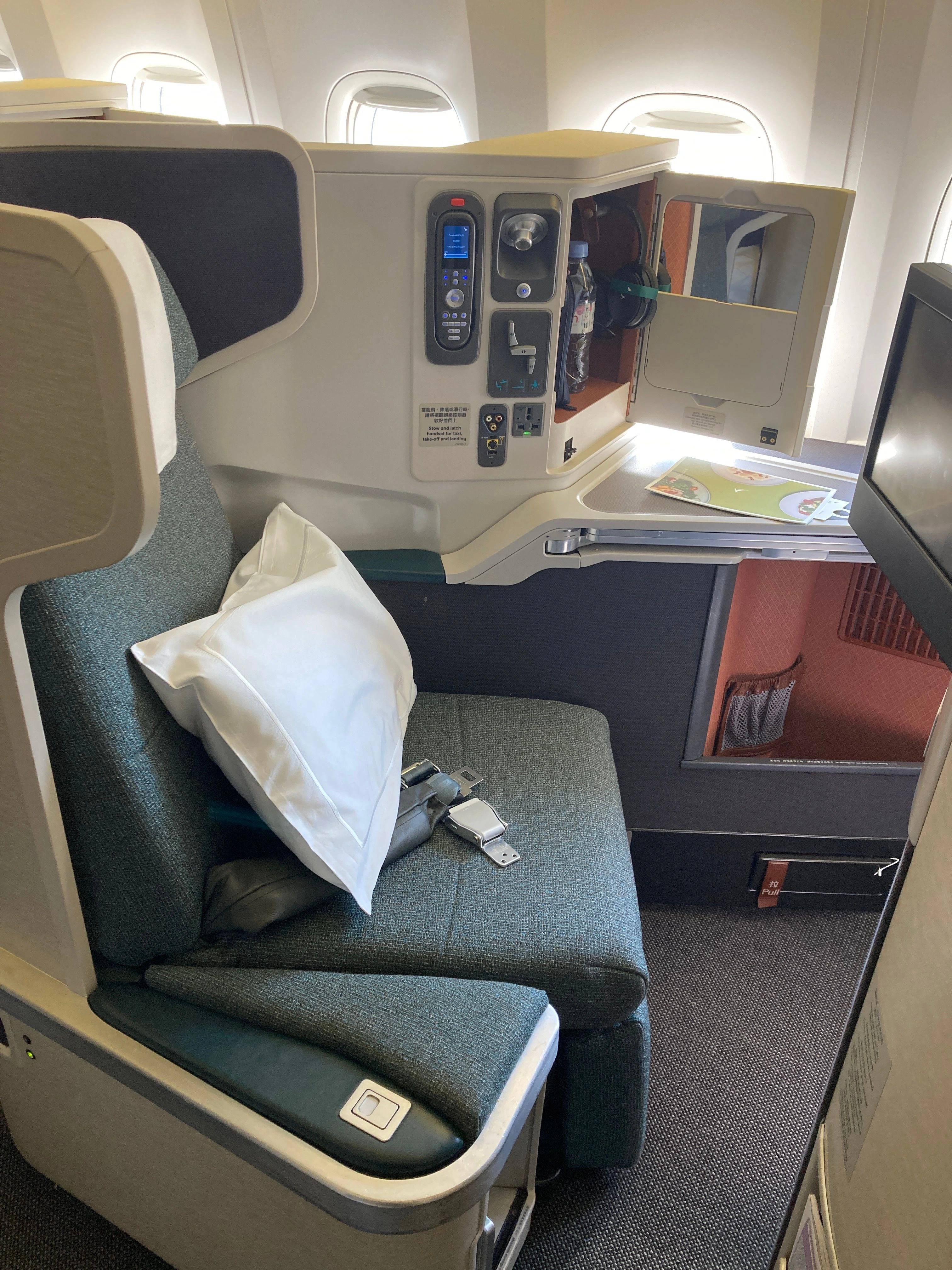
While the ATC timeline explains why fares stay high, Delta is also restructuring what those fares buy. A new "Basic Business" fare tier went on sale July 8, with travel beginning in September.
Basic Business includes the same Delta One lie-flat seat and the same onboard meals as a standard Delta One ticket. Buyers do not get a lesser seat; they get fewer surrounding privileges bundled with it.
What Basic Business Strips Out vs. Standard Delta One
Stripped from the tier are advance seat assignments, Sky Club entry, and ticket flexibility, and mileage accrual drops from the standard 5–7 miles per dollar to just 2. Delta One Lounge access is also excluded, and that exclusion becomes effective Jan. 18, 2027.
Feature | Basic Business | Delta One (Classic/Extra) |
Lie-flat seat and meals | Included | Included |
Advance seat assignment | Not included | Included |
Sky Club access | Not included | Included |
Delta One Lounge access (from Jan. 18, 2027) | Not included | Included |
SkyMiles accrual | Reduced (2 mi/$ vs. 5–7 mi/$) | Included |
Ticket flexibility | Not included | Included |
Joe Esposito, Delta's chief commercial officer, describes the intent as creating a lower entry point into the premium cabin, pulling price-sensitive travelers into business class seats they might not otherwise book. Industry analysts, however, have broadly read the move as a restructuring rather than a genuine price cut, since restoring the standard perks effectively raises the fare floor. The shift also benefits Delta directly: premium products already made up roughly 43 percent of the airline's passenger revenue last quarter, up sharply from pre-pandemic levels, and unbundling Basic Business extends that growth engine into a lower price point.
This mirrors a pattern already visible in the budget segment, where ancillary fees have become the primary revenue engine rather than the base fare itself. Delta is applying similar unbundling logic to its most profitable cabin, extending a tactic long associated with ultra-low-cost carriers into the front of the plane.
Why Main Cabin Isn't Growing While Premium Expands
Delta's second-quarter earnings call included another data point relevant to fare forecasts. Chief Commercial Officer Joe Esposito confirmed that Main Cabin seat count will not grow in 2027, extending a pattern that has held for multiple years running.
Aircraft delivery delays from Boeing and Airbus compound the constraint further, since airlines cannot simply order their way out of the capacity shortfall even if they wanted to compete more aggressively on price. Capacity growth instead is being redirected toward premium cabins, larger aircraft, and international markets.
For a business traveler comparing premium options against U.S. carriers, it is worth noting how international premium cabins like ANA's business class product price against Delta's own restructured tiers. Route and carrier choice increasingly determines what a "business class" seat actually includes, not just its sticker price.
What This Means for Business Travel Budgets Through 2027
Put together, these signals point toward a specific multiyear budgeting reality. Fares will not meaningfully decline before the FAA's controller pipeline matures, which its own targets place in 2027 at the earliest.
Business travel costs will also depend increasingly on which fare tier gets booked, not just which route or airline is chosen. A traveler who books Basic Business and needs Sky Club access or seat selection will pay more in aggregate than the sticker price alone suggests.
Fare-bucket dynamics already vary significantly by booking window and route, a pattern documented in Air Gazette's analysis of seasonal and time-of-day pricing on international routes. The same bucket logic now extends into what used to be a single, consistent Delta One product across a route.
How Business Travelers Should Adjust Now
Evaluate whether Basic Business actually fits a given trip before defaulting to it for the lower sticker price. A traveler who values lounge access, seat selection, or mileage accrual will likely spend more restoring those features individually than simply booking Classic or Extra from the start.
Treat the 2027 timeline as fixed rather than hoping for an earlier reversal driven by fuel prices alone. Airlines are increasingly setting fares dynamically across booking channels, and understanding how that pricing actually works helps travelers spot which booking windows still offer genuine value.
Frequent flyers who rely on transferred credit card points should also reassess redemption timing given the tier restructuring. A points redemption that previously guaranteed lounge access and full mileage accrual may now land on a Basic Business inventory bucket that excludes both.
Conclusion
Delta's fare forecast is not a vague warning about generally uncertain economic conditions. It is tied to a specific, verifiable federal hiring timeline that runs through 2027, paired with a fare restructuring that changes what business class actually includes.
Business travelers who treat this as a structural, multiyear reality rather than a temporary spike will make better booking and budgeting decisions over the next several years. For ongoing coverage of how airline pricing and premium cabin strategy continue to shift, the full collection at Air Gazette tracks these changes as they develop.
Frequently Asked Questions
Will Delta airfares go down in 2027?
Delta's CEO does not expect meaningful fare declines through 2027, tying any relief to increased flight capacity. That capacity depends on FAA air traffic controller staffing reaching adequate levels, a process the agency's own targets place in the same timeframe.
Why are airline ticket prices staying high?
Delta's CEO has pointed to air traffic control congestion as the primary constraint limiting capacity growth, rather than fuel costs. Limited capacity keeps fares elevated regardless of demand fluctuations or short-term drops in oil prices.
What is Delta's Basic Business fare?
Basic Business is a new fare tier offering the same lie-flat seat and meals as standard Delta One, but without seat assignments, lounge access, or ticket flexibility, and with mileage accrual reduced to 2 miles per dollar. It went on sale July 8 for travel beginning in September.
Is Delta growing Main Cabin seating in 2027?
No. Delta's Chief Commercial Officer confirmed Main Cabin seat count will not grow in 2027, continuing a multiyear trend of holding economy capacity flat while expanding premium cabins and international routes.
How does air traffic control staffing affect flight prices?
The FAA's controller hiring pipeline directly limits how much airlines can expand flight schedules. With trainee targets of 2,200 for fiscal 2026 and 2,300 for fiscal 2027, meaningful capacity growth is unlikely before those numbers translate into certified, working controllers.
Should business travelers book flexible fares right now?
Given Delta's fare restructuring, travelers who need flexibility, lounge access, or mileage accrual should compare Basic Business against Classic or Extra tiers before booking. The lower sticker price on Basic Business can disappear once those features are restored individually.
When does Delta One Lounge access change for Basic Business?
Delta One Lounge access is excluded from the Basic Business fare tier effective Jan. 18, 2027. Travelers booking Basic Business after that date will need a higher fare tier to access Delta One Lounges on qualifying routes.