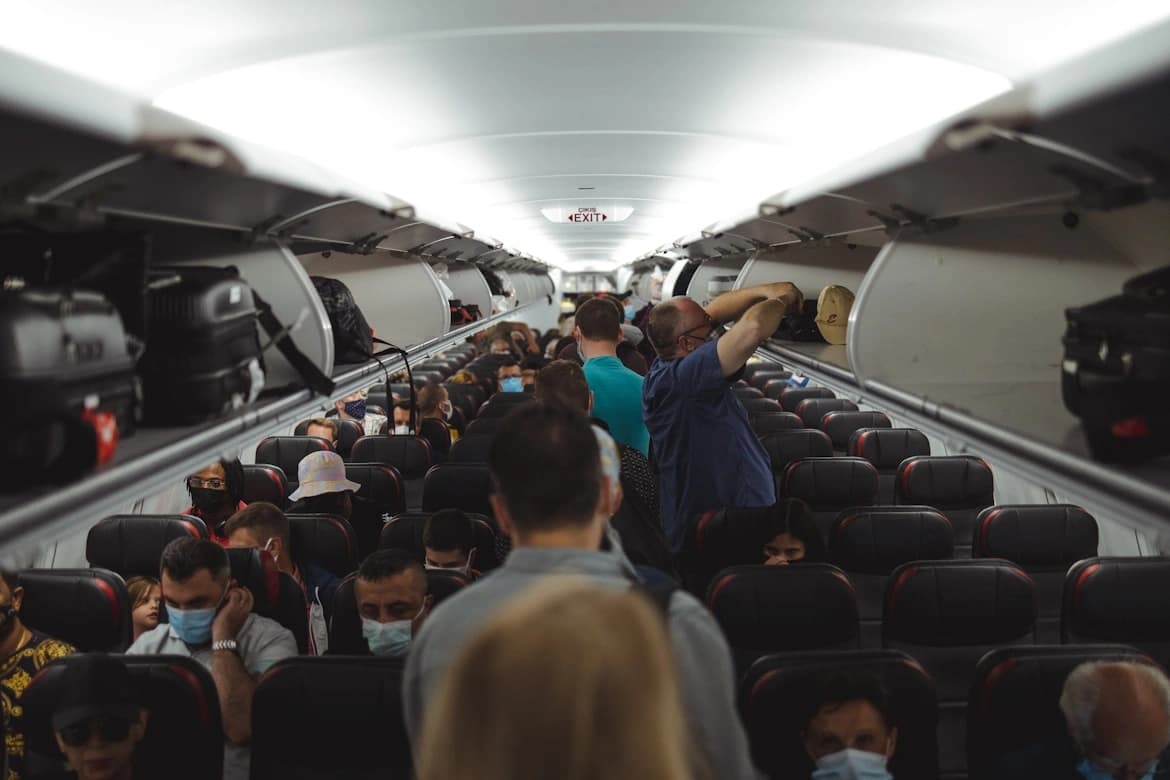
A passenger yells at a flight attendant. Someone gets taped to a seat.
A flight turns around over the Atlantic. These stories go viral for a day, then vanish.
What almost never gets covered is what happens next: a fine that can run into the tens of thousands, an airline ban with no guaranteed appeal, and in serious cases, the FBI.
What Counts as an "Unruly Passenger" Under FAA Rules
The FAA defines unruly behavior broadly. It's not just physical fights interfering with a crewmember's duties counts, and so does threatening, intimidating, or assaulting anyone on board.
Common Triggers in FAA Case Files
Refusing to follow crew instructions
Verbal threats or intimidation directed at crew or other passengers
Physical altercations, including biting, hitting, or grabbing
Attempting to open a door or access the cockpit
Drinking your own alcohol on board, which federal rules prohibit outright
Smoking, vaping, or tampering with a lavatory smoke detector
The behavior doesn't need to be violent to count, either. Picture a sudden jolt strong enough to rattle the overhead bins and spill every drink in economy that's often wake turbulence, and it's exactly when crews need everyone buckled in fastest.
A passenger who keeps arguing instead of sitting down the moment that seatbelt sign flashes has technically interfered with crew duties, even without raising a hand.
The FAA's Zero-Tolerance Policy Explained
The FAA's policy is zero tolerance: no warning letters, no counseling. It goes straight to enforcement.
That wasn't always the standard. The shift followed the surge in incidents that started in 2021, tied largely to mask-mandate disputes, when the agency logged thousands of cases in a matter of months.
Policy Element | What It Means for You |
No warning letters | First offense can mean a proposed fine |
Civil penalty authority | FAA can fine you; it cannot file criminal charges |
FBI referral option | Serious cases get handed to federal law enforcement |
Applies nationwide | Same standard on every U.S. airline, every route |
Source: FAA, Unruly Passengers
How Much Are the Fines? The Civil Penalty Structure
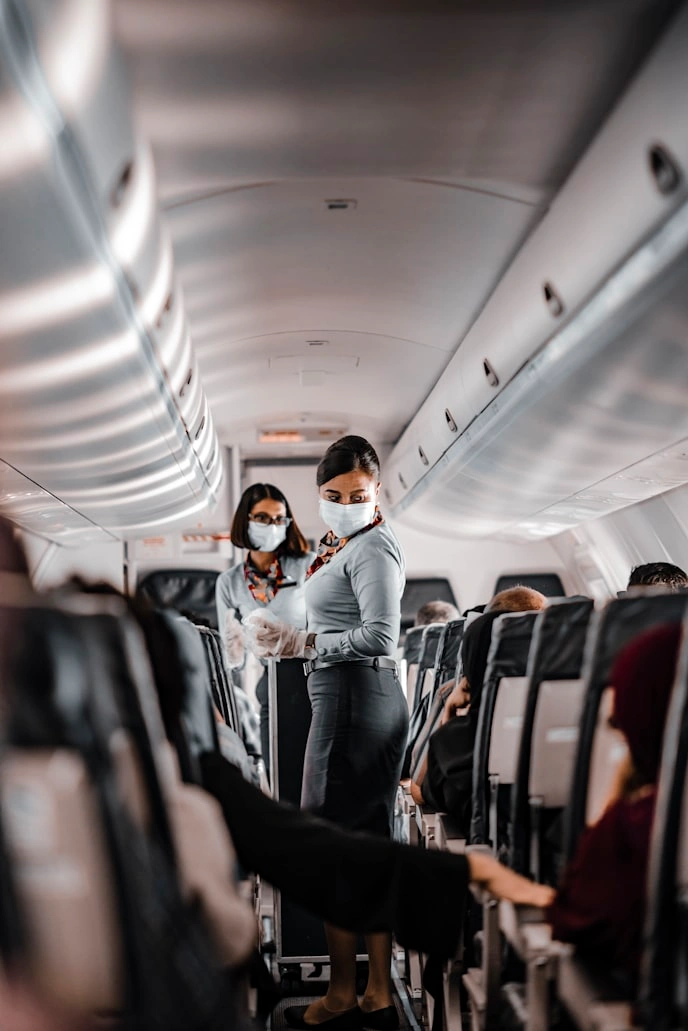
This is the number most coverage gets wrong. Plenty of articles still cite a "$37,000 fine" that was accurate a few years ago but no longer is.
The current ceiling is up to $43,658 per violation. That figure comes straight from the FAA's own unruly passenger page, which tracks the cap in plain terms rather than burying it in a regulation number.
The cap has climbed twice in recent years, from $25,000 to $37,000 to its current level. If you see $37,000 quoted today, the source is outdated.
What Counts as a Single Violation
A single incident can generate multiple violations one for interfering with a crewmember, another for the underlying assault, another for refusing instructions. The fines stack.
Violation Type | Maximum Civil Penalty | Can Stack? |
Interfering with crew duties | Up to $43,658 | Yes |
Threatening or assaulting crew/passengers | Up to $43,658 | Yes |
Refusing lawful crew instructions | Up to $43,658 | Yes |
Unauthorized alcohol consumption | Addressed under separate FAA alcohol rule | Yes |
The FAA has civil authority only it cannot put anyone in jail. What it can do is propose the fine, publish the case, and refer the matter for criminal prosecution when the behavior crosses into assault or a federal crime.
Real Fines, Real Numbers
Case | Fine |
Two passengers, largest-ever FAA penalties (April 2022) | $81,950 and $77,272 |
Passenger on a May 2021 JetBlue flight from New York to San Francisco, for facemask non-compliance and threatening behavior | $42,000 |
Nine passengers in a single round of 2021 enforcement actions, for interfering with crew instructions | $7,500–$21,500 per passenger |
Sources of truth: FAA newsroom, "FAA Levies Largest Fines Ever Against Two Unruly Passengers"
The dollar figure usually scales with how many separate violations investigators can document, not how dramatic the incident looked on video.
Who Enforces It: Air Marshals, the FBI, and Local Police
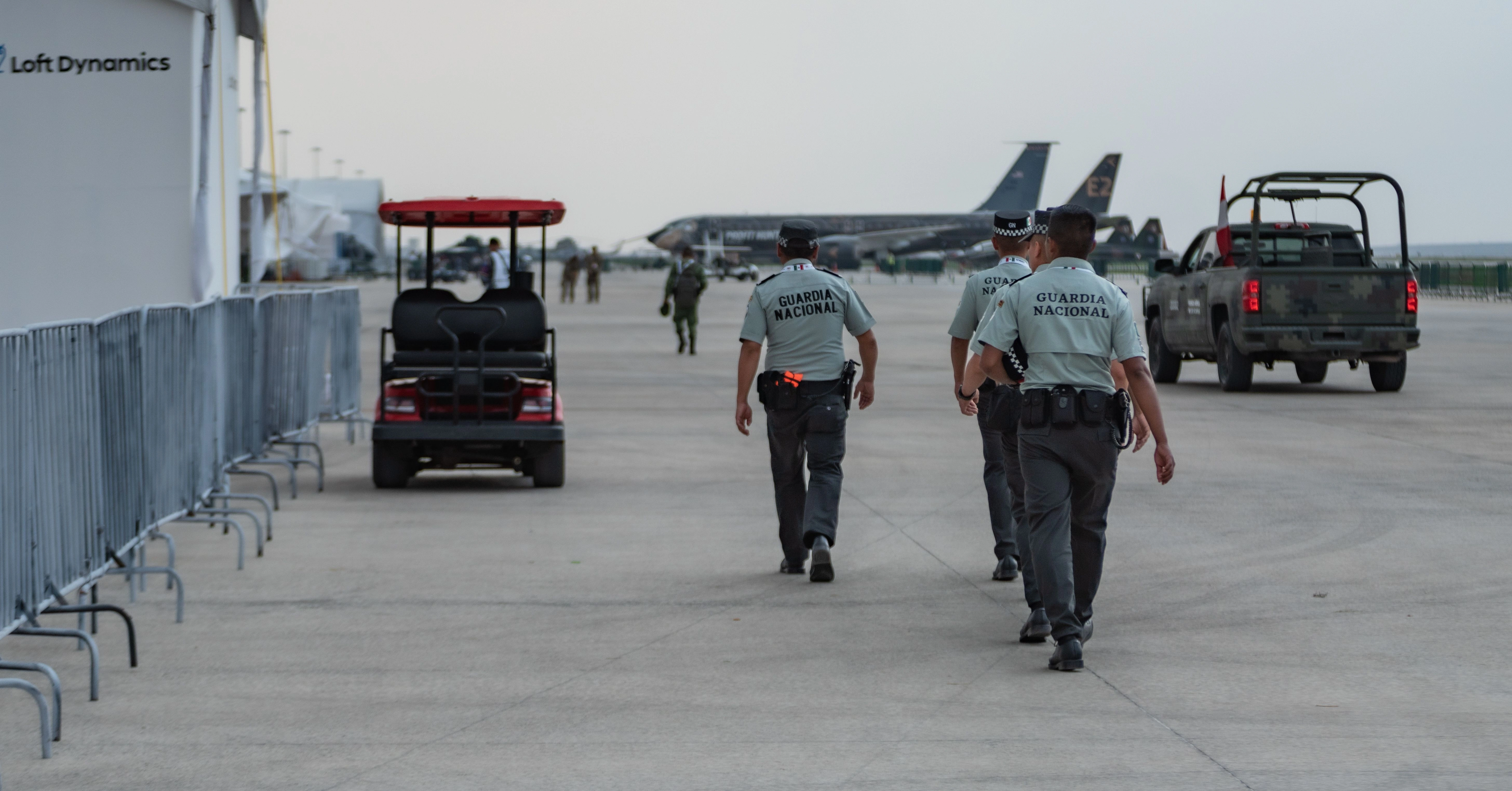
Enforcement is layered. Which agency shows up depends on how serious the incident is.
What Federal Air Marshals Actually Do In-Flight
Federal Air Marshals fly undercover on select flights as part of TSA's Law Enforcement/Federal Air Marshal Service, a program dating to 1962. Their primary mission is counterterrorism, but they're trained federal law enforcement officers and can respond to serious in-flight disruptions when they happen to be aboard.
Most unruly passenger incidents never involve a marshal at all deployment is risk-based, not on every route. Crew training and passenger response end up mattering more day to day than most flyers assume.
For the same reason two planes can safely share the same sky, it comes down to procedure, not luck. If you've ever wondered how close planes actually fly to each other without anyone panicking, it's the same principle at work trained people following a script, not a single hero stepping in.
The Realistic Enforcement Chain
Crew documents the behavior and reports it to the captain
Captain decides whether to divert, request police meet the flight, or continue
Local police or airport law enforcement handle the on-ground arrest, if any
FAA investigates separately and can propose a civil fine
FBI gets involved only when the incident meets the threshold for a federal criminal referral
Local police, not air marshals, handle the vast majority of these cases at the gate.
Getting Banned: The No-Fly List and Airline Bans
Here's where most coverage gets confused. The federal "No Fly List," maintained through the Terrorist Screening Database, is a national security tool.
It exists to keep suspected terrorists off commercial aircraft it is not the mechanism airlines use to ban unruly passengers.
What actually happens to most unruly passengers is an airline-specific ban, an internal do-not-fly list one airline maintains for its own flights. The FAA itself notes that unruly behavior can land you on "an internal no-fly list for an airline," separate from the government watchlist.
Federal No Fly List | Airline Internal Ban | |
Who maintains it | Terrorist Screening Center / TSA | Individual airline |
Applies to | Suspected national security threats | That airline's flights specifically |
Appeal process | DHS TRIP redress program | Airline customer relations, case by case |
Typical trigger | Terrorism-related screening | Unruly behavior, assault, safety violations |
Sources : TSA, DHS Traveler Redress Inquiry Program
Can You Get Off an Airline's Internal Ban List?
There's no standard federal appeal for an airline-specific ban, because it isn't a government list. Some airlines review bans after a set period; others treat them as permanent.
Your leverage is the airline's own customer relations process, not a federal agency.
TSA PreCheck and Federal Redress
A serious enough incident can also follow you home in a way you might not expect: it can affect your TSA PreCheck eligibility. That's worth knowing especially if your five-year PreCheck membership happens to be up for renewal around the same time something like this happens one bad flight can complicate a process that's normally routine.
If you believe you've been wrongly placed on the federal No Fly List specifically, the DHS Traveler Redress Inquiry Program is the actual channel for review. It doesn't apply to airline-specific bans, which is where most people get confused.
What to Do If You're Fined or You Witness an Incident
If you receive an FAA enforcement letter, you have 30 days to respond. The agency does not identify passengers publicly by name, but the letter is real and the fine is enforceable.
Responding within the 30-day window preserves your options
Settlement is common, and proposed fines are sometimes reduced through the response process
A civil fine and a criminal charge are separate tracks
Airline bans can be issued independently of whether the FAA fines you at all
If You're a Bystander, Not the Passenger Involved
The FAA's clearest guidance is to let the crew handle it. Physically intervening puts an untrained bystander in the path of an unpredictable situation, and following crew instructions protects you from being misidentified as part of the disruption.
Recent Notable Cases
A passenger who bit a fellow flyer on an American Airlines flight this year drew national coverage and police involvement at landing. A retired police chief helped restrain a passenger mid-flight on another carrier, a scenario common enough that crews now sometimes ask directly whether off-duty law enforcement is aboard.
The pattern repeats: the incident gets millions of views, and almost nobody covers what the FAA fine actually looked like six months later.
What This Signals for the Next 6–12 Months
FAA data shows unruly passenger reports have dropped more than 80% from the record highs of 2021 the headline trend worth remembering even as individual viral incidents suggest otherwise.
The FAA has also flagged recent upticks as a reason enforcement isn't loosening. Expect continued zero-tolerance messaging and continued fine publication as a deterrent.
Where FBI Referrals Are Headed
The FBI referral trend is also worth watching: the agency has steadily referred more cases for criminal prosecution review in recent years, not fewer.
For frequent flyers, the practical shift isn't fear of a fine it's that crews now report faster and airlines share banned-passenger information more readily than they did five years ago. This fits a pattern we track closely across our Aviation Safety coverage: regulators are getting more aggressive across the board, whether the threat comes from a passenger in seat 14C or something less visible, like the GPS spoofing attacks now confusing cockpit navigation systems on certain routes.
Conclusion
An unruly aircraft passenger isn't dealing with a bad Yelp review. It's a federal civil penalty that can run past $43,000 per violation, a possible airline ban with no guaranteed appeal, and in the worst cases, an FBI referral.
The viral clip disappears in a week. The fine, the ban, and the record don't.
For more aviation safety coverage like this, visit Air Gazette.
Frequently Asked Questions
Which airline has the most unruly passengers?
No airline publishes this figure directly, and FAA data isn't broken out by carrier. Industry reporting during the 2021 spike pointed to mask-related incidents across nearly every major U.S. airline, not one specific carrier.
How much is the FAA fine for an unruly passenger?
Up to $43,658 per violation, and a single incident can generate more than one violation. Passengers have 30 days to respond, and some proposed fines are later reduced through that process.
Can you be banned from flying for life?
Yes, but usually through an individual airline's internal ban, not the federal No Fly List. Some airlines treat bans as permanent; others review them after a set period.
What happens if you're put on the no-fly list?
If it's the federal No Fly List, you're barred from boarding any U.S. commercial flight and can seek review through the DHS Traveler Redress Inquiry Program. Most unruly passenger cases result in an airline-specific ban instead.
Is being drunk on a plane illegal?
Yes. Federal rules bar passengers from consuming alcohol on board that wasn't served by a flight attendant, and airlines can refuse to board someone who's already intoxicated.
Do federal air marshals fly on every flight?
No. Marshals are deployed selectively based on risk assessment.
Most unruly passenger incidents are handled by crew and ground-based police instead.
Can an airline ban you without a criminal charge?
Yes. An airline's internal ban is a business decision, separate from any criminal case you can be banned even if no charges are ever filed.