A power bank sitting quietly in a seat pocket sounds harmless. But airlines worldwide now treat it as a live fire risk, and the data explains why. In 2026, the rules around flying with a power bank changed faster than most travelers noticed.
Why Power Banks Are Suddenly a Flight Safety Issue
Power banks run on lithium-ion cells, the same chemistry found in phones and laptops. When damaged, overcharged, or manufactured poorly, these cells can enter thermal runaway, a chain reaction that spikes heat and pressure until the battery ignites.
That risk is not theoretical anymore. The Federal Aviation Administration verified 93 lithium battery incidents involving smoke, fire, or extreme heat on US aircraft in 2025, up from 89 the year before. Both figures mark the highest totals the agency has recorded since it began tracking the data.
Regulators and airlines are responding in parallel. The result is a patchwork of new carry-on rules that vary by carrier, and travelers are largely unaware of them.
The Incident That Changed Everything: Air Busan's Total Loss
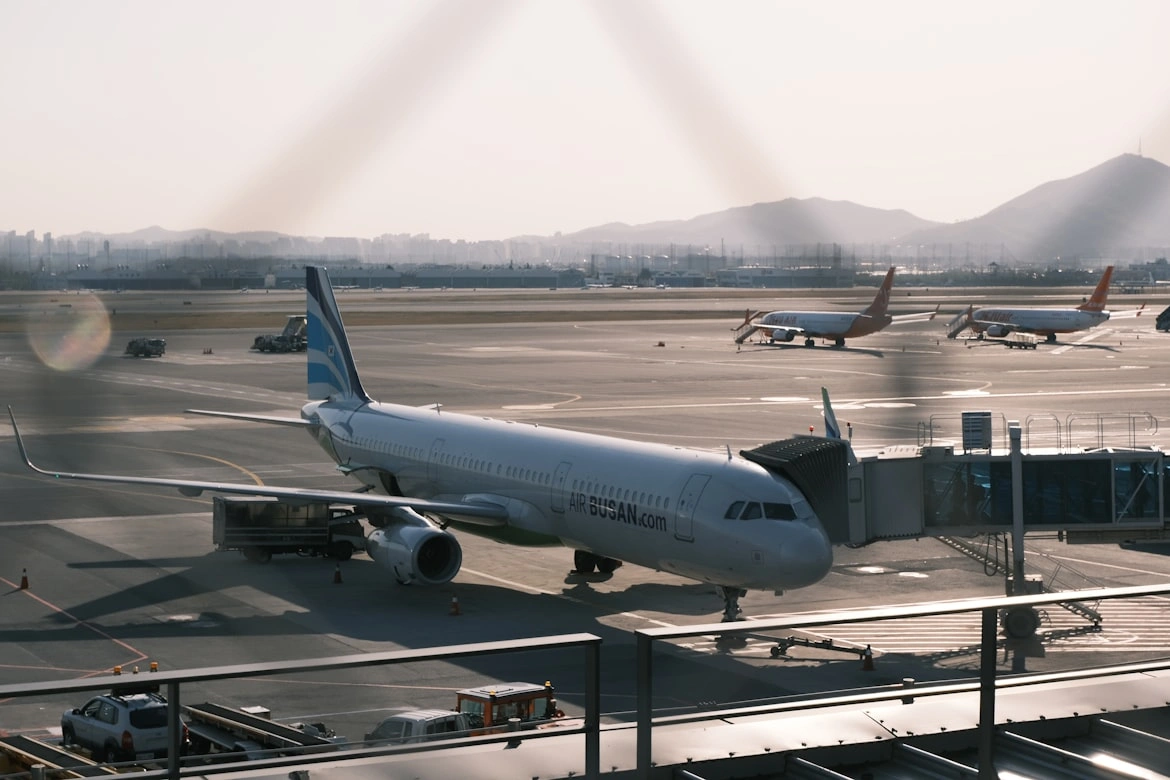
On January 28, 2025, an Airbus A321 operated by Air Busan caught fire at Gimhae International Airport in South Korea while waiting for pushback. Investigators later said a power bank in an overhead bin was the likely ignition source.
No fatalities were reported, but the aircraft was destroyed. It remains one of the clearest examples of how quickly a small consumer device can escalate into a total-loss event.
The incident triggered an immediate wave of policy changes. Singapore Airlines, Scoot, and Thai Airways all moved to restrict power bank use and charging on board within weeks of the Air Busan fire.
A Timeline of Incidents That Forced Airlines to Act
Air Busan was the most severe case, but it was not an isolated one. A string of similar fires across different airlines and regions built the pressure that airline policy teams could no longer ignore.
January 28, 2025: Air Busan A321, Gimhae Airport, South Korea: overhead bin fire, aircraft declared a total loss
July 21, 2025: Virgin Australia Flight VA1528, Sydney to Hobart: power bank fire in an overhead compartment, safe landing
2025: Thai AirAsia flight: power bank caused smoke and fire on board, handled by cabin crew
2025: Scoot flight: similar power bank smoke incident, no injuries reported
2025: Ural Airlines flight: power bank-related fire, contained before escalation
2026: Multiple incidents across Delta, United, American, Allegiant, Horizon, and Lufthansa, per FAA hazmat records
Each incident individually looks minor. Together, they form the pattern regulators and airline safety teams use to justify new restrictions.
What FAA Data Shows About Battery Incidents in 2026
The FAA's incident count for 2026 is still climbing. Public reporting compiled from the agency's hazmat database shows verified events tied to portable chargers across Delta, United, American, Allegiant, Horizon, and Lufthansa so far this year.
One incident forced an unscheduled diversion. A Lufthansa flight from Munich to Los Angeles landed in Salt Lake City after a passenger's portable charger overheated in flight.
Diversions like this ripple through already congested hubs, the same operational strain we detailed in our coverage of the Newark flight cap extension.
Independent research backs up what the FAA numbers suggest. UL Standards & Engagement's 2024 review of airline incident data found that power banks and vapes together account for the largest share of in-flight thermal runaway events, and that 18% of these incidents forced a diversion, gate return, or evacuation.
Can You Bring a Power Bank on an Airplane in 2026?
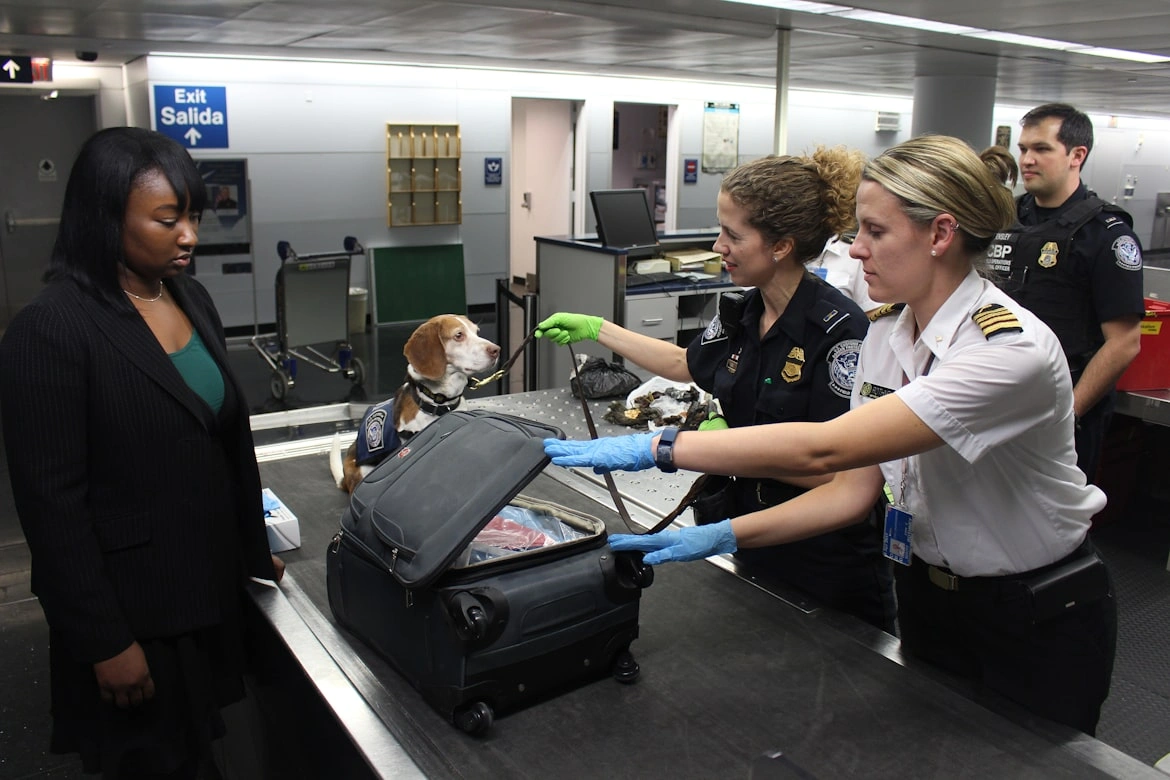
Yes, but the rules are stricter than they used to be. Nearly every major airline now requires power banks to travel in carry-on baggage only, never in checked luggage, where a fire could go undetected until it spreads.
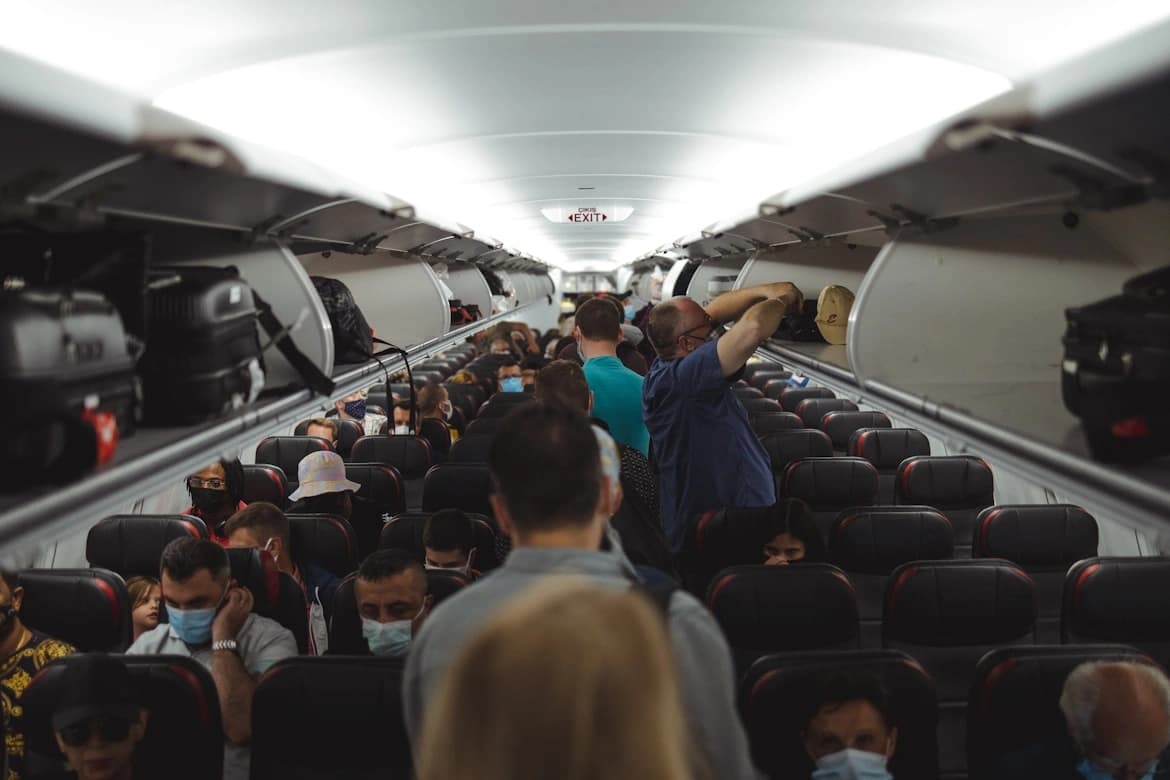
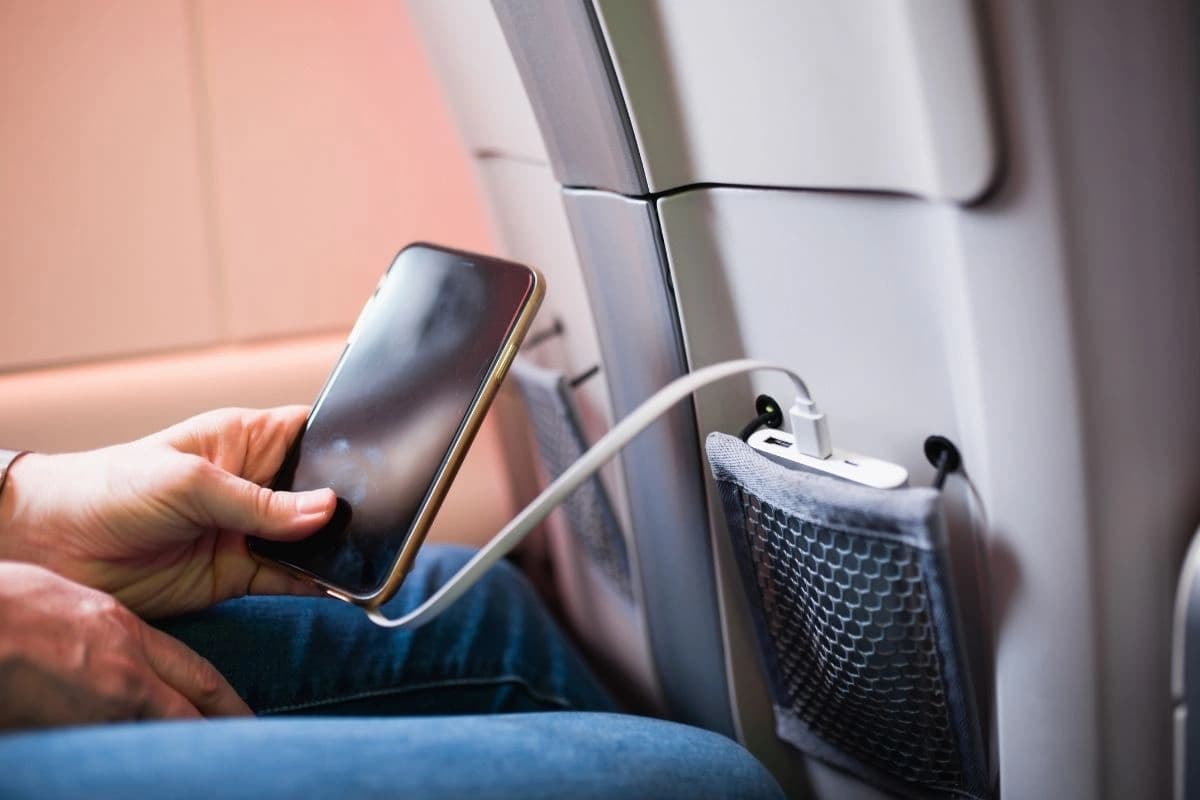
Most carriers also now require power banks to stay visible and accessible during flight, rather than buried in an overhead bin. That single change reflects how much faster crews can respond when a fire starts in a seat pocket instead of a bin they cannot reach quickly.
Power banks must travel in carry-on baggage, not checked bags
Devices generally must stay powered off unless actively charging a phone or tablet
Most airlines cap passengers at one or two power banks per person
Damaged, swollen, or cracked power banks should not be brought on board at all
The Watt-Hour Limit Every Traveler Misses
The FAA's underlying rule has not changed, but few travelers know it exists. Lithium-ion batteries rated at 0 to 100 watt-hours are allowed without restriction, batteries between 101 and 160 watt-hours require airline approval, and anything above 160 watt-hours is forbidden on passenger aircraft.
Most consumer power banks fall well under the 100 watt-hour threshold. High-capacity models marketed for laptops or camera gear, however, can exceed it without the packaging ever mentioning watt-hours at all.
How International Rules Compare to the US
UK-departing flights follow rules set by the Civil Aviation Authority, which requires power banks and other lithium battery devices to travel in the cabin, never in hold luggage. The CAA also caps travelers at two power banks each, a limit still unfamiliar to many passengers according to the regulator's own outreach.
The CAA has said publicly that awareness of these rules remains low among UK travelers, echoing the same gap seen in US surveys. That gap is part of why airlines are shifting from written policy alone toward active gate and cabin enforcement.
Asian carriers moved first, restricting in-flight charging outright rather than only regulating storage. Lufthansa Group has since matched that approach, banning in-flight use and charging entirely across Lufthansa, Swiss, Austrian, Eurowings, Brussels Airlines, Edelweiss, and Air Dolomiti as of January 15, 2026, citing updated EASA safety guidance. US carriers, by contrast, have so far stopped short of a full charging ban, focusing instead on visibility requirements and per-passenger limits.
Which Airlines Have Changed Their Power Bank Rules
American Airlines, Delta, and United have all updated their power bank policies since early 2026, following incident reports on their own aircraft. American's policy limits passengers to two lithium battery-powered chargers and requires them to remain in plain view, such as a seat pocket or tray table, while in use.
International carriers have moved further and faster. Singapore Airlines, Scoot, Thai Airways, several East Asian carriers, and now Lufthansa Group all prohibit charging a power bank at all during flight, cabin baggage carriage aside.
This is a live regulatory area, and the FAA's own lithium battery incident data is updated on a rolling basis. Travelers flying internationally should check their specific carrier's policy before departure rather than assume US rules apply.
Airline | Power bank policy |
Limit of two chargers per passenger, must stay visible while in use | |
Carry-on only, not permitted in overhead bins, cannot be charged using in-flight power | |
Carry-on only, updated battery policy published on its electronic devices page | |
In-flight use and charging banned entirely since January 15, 2026, max two power banks under 100 Wh, no overhead bin storage | |
Charging or using power banks in flight prohibited | |
Charging or using power banks in flight prohibited, under the same Singapore Airlines Group directive | |
Power banks permitted in cabin, use and charging banned since March 2025 |
Policies continue to shift as more carriers report incidents, so this table reflects the rules current as of this writing rather than a permanent standard.
Who Pays When a Power Bank Fire Grounds a Flight
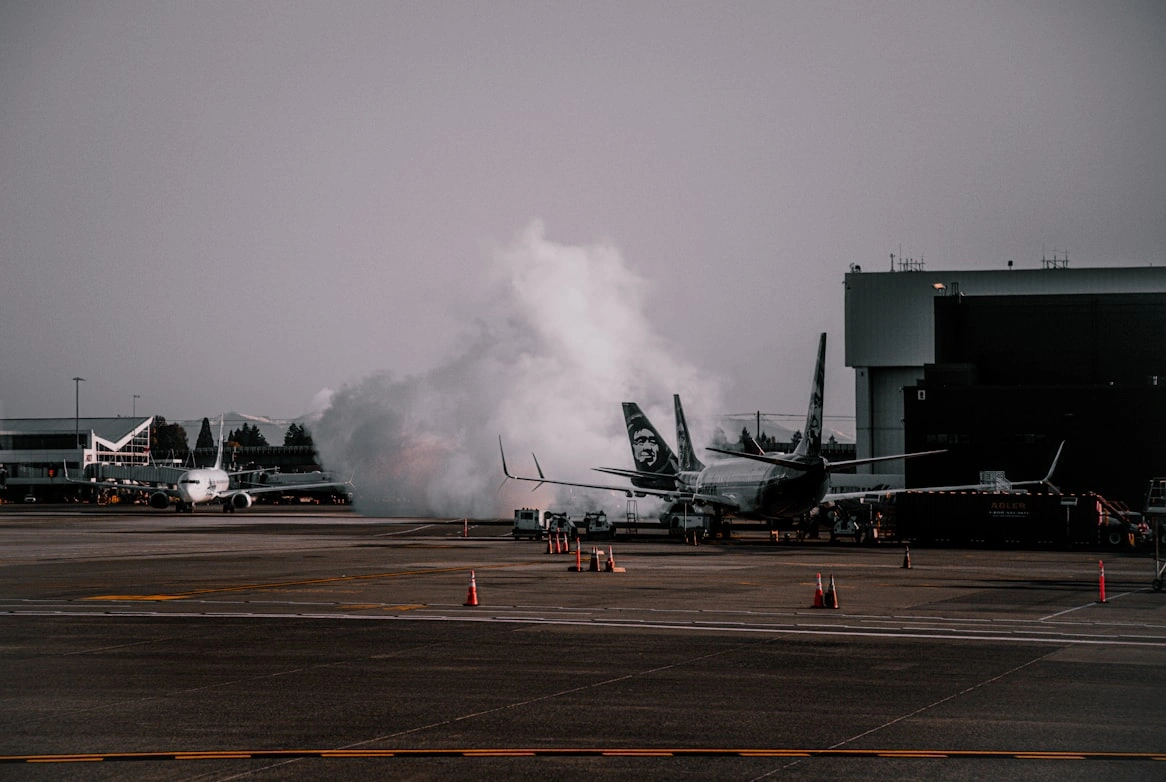
The passenger holding the power bank absorbs the most immediate cost: confiscation, a missed connection, or a delayed flight after a diversion. A single diverted widebody can cost an airline tens of thousands of dollars in fuel, crew hours, and rebooking, a cost ultimately spread across the airline's broader operating budget.
Airlines that write off an aircraft entirely, as Air Busan did, absorb a far larger loss that insurers typically cover only in part. That risk is now pushing insurers to scrutinize airline lithium battery policies more closely when underwriting hull coverage.
Device manufacturers face comparatively little direct cost from an in-flight incident, since liability usually attaches to the airline's duty of care rather than the product itself. That asymmetry is part of why airlines, not manufacturers, are the ones rewriting the rules.
What Happens If Your Power Bank Overheats Mid-Flight
Cabin crews are trained to recognize the early signs: a hissing sound, an unusual smell, or a device that feels hot to the touch. Crews carry thermal containment bags and fire extinguishers rated for lithium battery fires, and protocol calls for isolating the device immediately.
Passengers are the first line of detection. A power bank that becomes swollen, unusually hot, or starts emitting smoke should be reported to a flight attendant immediately rather than handled alone.
The same crew training that handles a battery fire also governs how a flight proceeds afterward, which is why so many of these incidents end in an unscheduled stop rather than a return to the gate. Our deeper look at how crews handle in-flight emergency landings covers that decision process in full.
How to Choose and Pack a Power Bank Safely
Not every power bank carries equal risk. Devices from established brands with built-in overcurrent and thermal protection are meaningfully safer than unbranded models bought for the lowest price.
Factor | Lower risk | Higher risk |
Capacity | Under 100 Wh (roughly 27,000 mAh) | Over 100 Wh, no airline approval sought |
Physical condition | No swelling, cracks, or dents | Visibly damaged or previously dropped |
Brand | Established, UL or CE certified | Unbranded, no safety certification listed |
Storage in flight | Seat pocket or tray table | Buried in an overhead bin |
A power bank that has been dropped, exposed to extreme heat, or left in a hot car should be retired rather than carried onto a flight. The cost of a replacement is trivial compared to the risk.
Battery chemistry is starting to shift as well. Lithium iron phosphate cells, increasingly used in higher-capacity portable power stations, are more thermally stable than standard lithium-ion cells and less prone to runaway, though they remain uncommon in pocket-sized power banks today.
Common Power Bank Myths, Debunked
Misunderstanding these rules is common, and some of the most repeated advice online is wrong. A few corrections worth knowing before your next flight:
"A power bank in a fireproof pouch is safe to check." Fireproof pouches slow a fire but do not stop thermal runaway, and checked baggage fires can go undetected until the aircraft lands.
"Only cheap power banks catch fire." Even established brands have issued recalls in 2025 for overheating and fire risk, so brand reputation reduces but does not eliminate risk.
"TSA will always catch a banned power bank." Screening catches many but not all noncompliant devices, particularly ones with unclear or missing watt-hour labeling.
"A power bank at 50% charge is safer than a full one." State of charge affects severity somewhat, but a damaged cell can fail regardless of how much charge it holds.
What This Signals for the Next 6–12 Months
The direction of travel is toward more restriction, not less. As portable charger capacities keep climbing to meet demand from power-hungry devices, expect more airlines to formalize visibility requirements and per-passenger limits rather than rely on general lithium battery guidance.
Regulatory bodies including IATA and the FAA are likely to face pressure to standardize rules across carriers, since the current patchwork leaves travelers guessing which policy applies on which airline. A harmonized global standard, similar to the existing 100 watt-hour carry-on threshold, would be the most likely outcome.
For now, the burden sits with passengers to check individual airline policies before every trip. That is unlikely to change until a single global rule replaces the current carrier-by-carrier approach.
Understanding how regulators respond to a single high-profile incident is worth watching beyond this story alone; the same pattern shaped how the FAA approached its recent overland supersonic flight rulemaking, where one policy shift triggered a cascade of industry responses.
The Bottom Line
None of this means power banks are going away, and most flights with one on board land without incident. But the margin for carelessness has shrunk considerably since early 2025.
Checking your device's watt-hour rating, keeping it visible in flight, and retiring anything damaged are now the baseline for safe travel, not optional precautions. The airlines rewriting their policies this year are betting that passengers will catch up to that reality before the next incident forces the issue again.
For more aviation safety reporting and analysis, visit Air Gazette.
Frequently Asked Questions
Can I bring a 30,000mAh power bank on a plane?
Most airlines allow it if it stays under the 100 watt-hour threshold, which a 30,000mAh power bank typically does at standard voltage. Check the printed watt-hour rating on the device itself, not just the mAh figure, since that is what airlines and TSA actually enforce.
How strict is TSA with power banks?
TSA requires power banks to travel in carry-on baggage only and may inspect them at the checkpoint. Officers can deny boarding items that appear damaged or lack a visible watt-hour rating.
What size of power bank can I take on a plane?
Power banks up to 100 watt-hours are permitted without special approval. Between 101 and 160 watt-hours, most airlines allow up to two with prior approval, and anything above 160 watt-hours is banned outright.
Is a 20,000mAh power bank allowed on a flight?
Yes, a standard 20,000mAh power bank almost always falls under the 100 watt-hour limit and is accepted without restriction. It should still travel in carry-on baggage, never checked luggage.
Can you pack a power bank in checked luggage?
No. Every major airline and the FAA prohibit power banks in checked baggage because a fire in the cargo hold is far harder to detect and contain than one in the cabin.
Which airlines have banned charging power banks mid-flight?
Singapore Airlines, Scoot, and Thai Airways all restrict or prohibit charging a power bank during flight following the 2025 Air Busan fire. Several US carriers now require the device to stay visible while charging rather than banning the practice outright.
What should you do if your power bank overheats on a plane?
Alert a flight attendant immediately rather than trying to handle it yourself. Crews are trained and equipped with containment bags and fire extinguishers rated specifically for lithium battery fires.