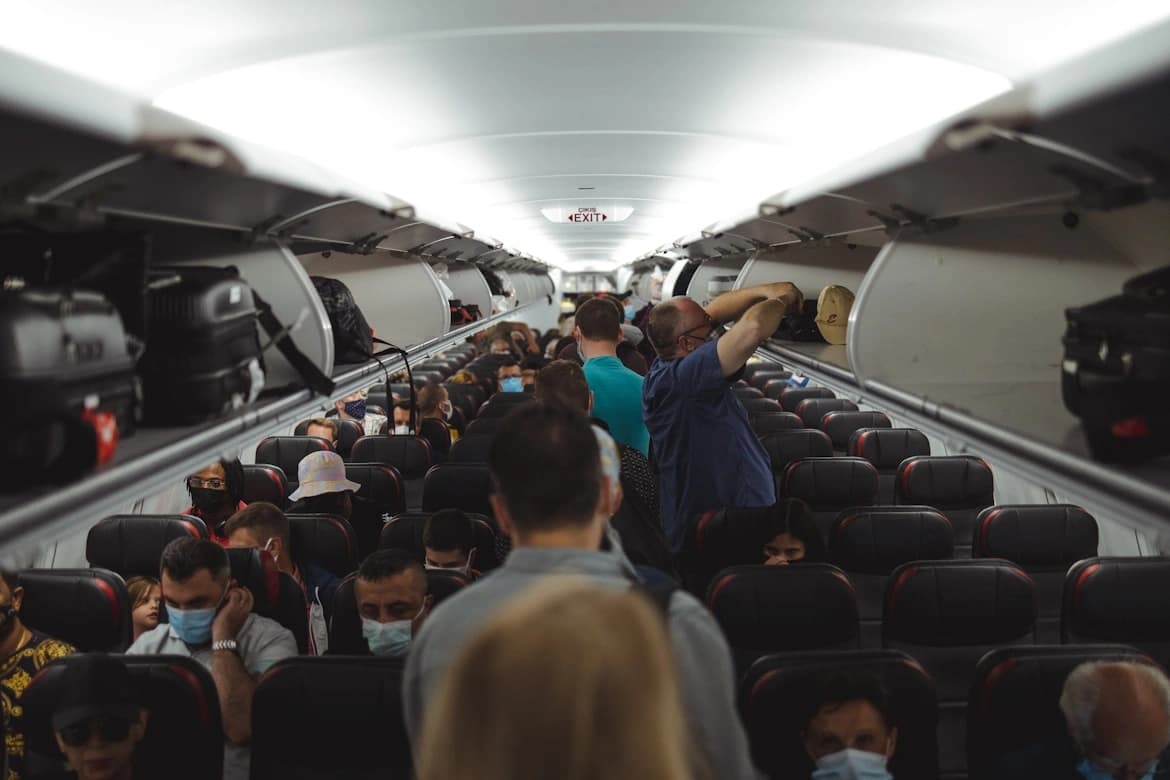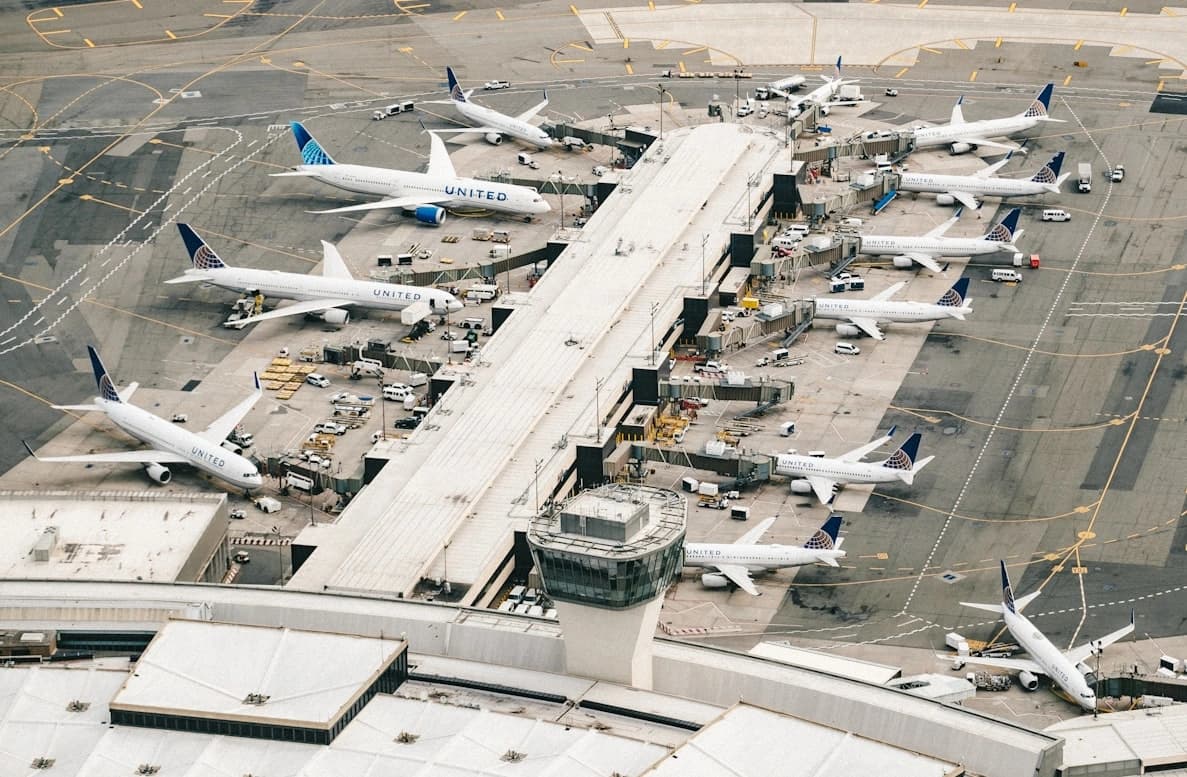
I connected through Newark on a United flight in April, landing off an ANA red-eye from Tokyo with just under two hours to make my next departure. With the FAA capping Newark at 72 flights an hour, that kind of connection is a different kind of math now.
The Federal Aviation Administration has extended its order limiting arrivals and departures at Newark Liberty International Airport through October 24, 2026. For anyone connecting through one of United's busiest hubs, that's the difference between a smooth trip and a missed meeting.
What the FAA's Newark Flight Cap Actually Says
The order isn't vague. The FAA capped Newark at 72 combined arrivals and departures per hour, up from 68, effective October 26, 2025.
That limit holds through October 24, 2026, covering both the winter 2025/2026 and summer 2026 scheduling seasons. Before the cap, Newark handled closer to 80 movements an hour at its peak.
That gap matters more than it sounds. The FAA has been direct about why this exists: it's extending the order to mitigate congestion, delays, and cancellations while it addresses staffing and technology gaps.
68 movements/hour: the original reduced rate, set in mid-2025
72 movements/hour: the current rate, effective October 26, 2025
~80 movements/hour: Newark's pre-disruption historical peak
Period | Hourly Cap | Status |
Pre-2025 | ~80 | Uncapped, frequent overscheduling |
June–Oct 2025 | 68 | Initial FAA reduction |
Oct 2025–Oct 2026 | 72 | Current extended order |
A Timeline of Newark's 2025–2026 Disruptions
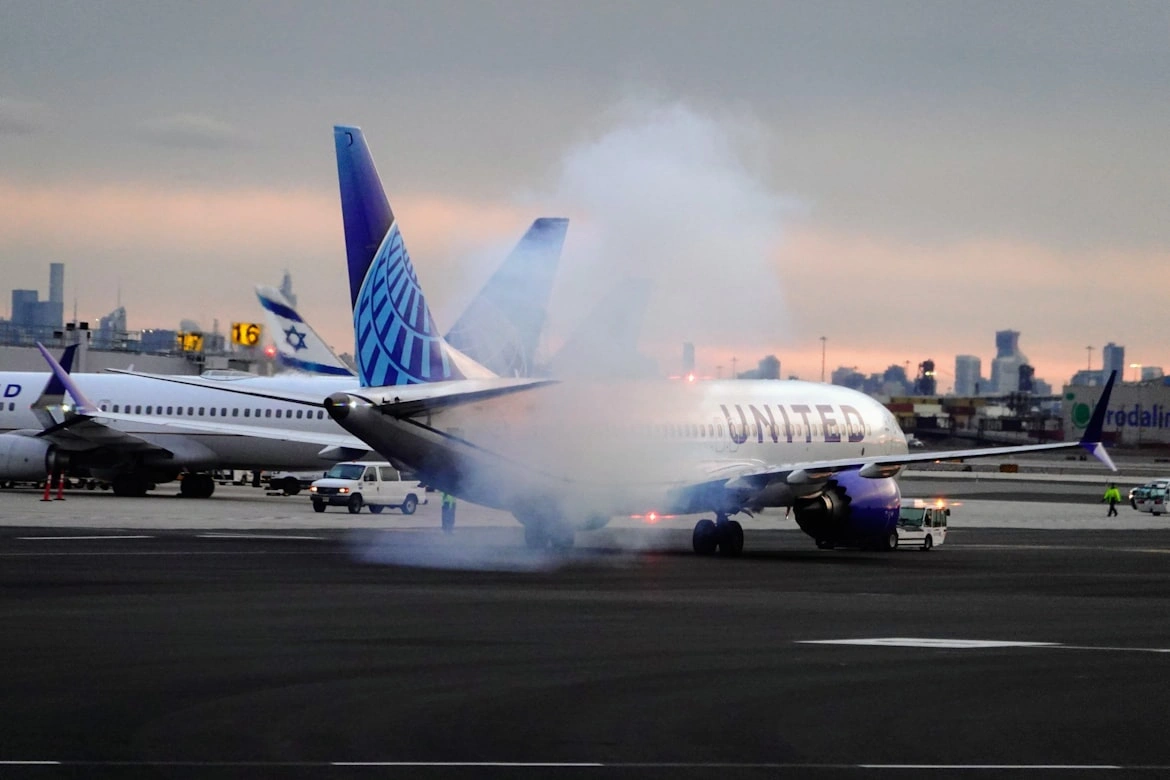
Understanding why the cap exists means understanding how bad things got before it was imposed. This didn't happen overnight, and it didn't happen for just one reason.
In late April 2025, Newark began experiencing a stretch of severe delays tied to a runway closure, technology outages, and thinning controller staff. By May, the FAA had proposed its first hard limit: 56 movements an hour on weekdays until construction finished, stepping up to 68 for the rest of summer 2025.
The construction wrapped early, letting United tout improved on-time numbers through early June, though the underlying staffing gap at Philadelphia TRACON didn't close nearly as fast. By late August, a technology outage triggered a fresh ground stop, prompting the FAA's September decision to extend the cap through October 2026 rather than let it expire at year-end.
Why the Cap Exists: The Real Constraint Behind It
This isn't a scheduling preference. It's a response to a genuine operational breakdown that started building in early 2025.
Three things collided at once: a runway closure, repeated technology outages, and a shortage of certified air traffic controllers. Newark's air traffic is handled through Philadelphia TRACON, and that facility simply didn't have enough staff to run the airport at full capacity safely.
Rather than let congestion build until something worse happened, the FAA chose to right-size the schedule to match actual staffing. It's a blunt tool, but it's the one regulators reached for.
The Fixes Meant to Make This Temporary
The FAA is also investing in fixes meant to make the cap temporary rather than permanent. That includes a new fiber-optic communications link between New York and Philadelphia TRACON, plus a dedicated STARS radar hub in Philadelphia to reduce Newark's dependence on New York systems.
The FAA has said Area C at Philadelphia TRACON, the specific sector handling Newark traffic, is now fully staffed. That's meaningfully different from where things stood in spring 2025, when staffing gaps there were a direct driver of the original cap.
Still, "fully staffed" doesn't mean "back to full capacity." Training new controllers to handle a facility's busiest sectors independently takes months even after they're certified, which is part of why the FAA chose a two-year runway for this order instead of a quick fix.
How Newark's Cap Compares to Other Constrained Hubs
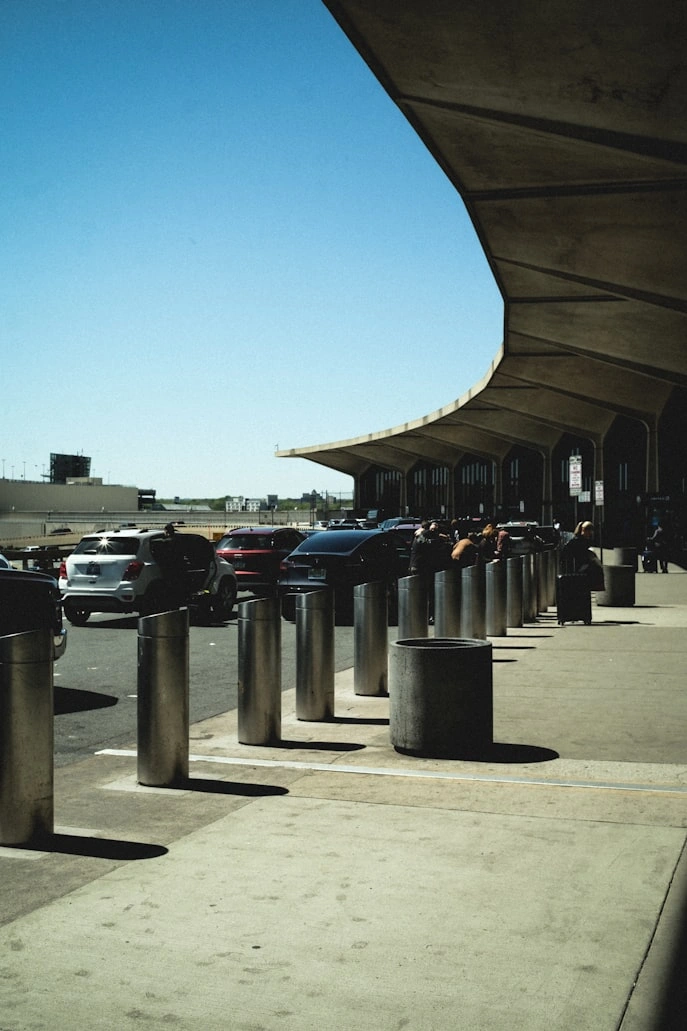
Newark isn't the only American airport operating under FAA-imposed capacity limits in 2026, and it's worth understanding how its situation differs. Chicago O'Hare has its own cap, limited to 2,708 scheduled operations a day, extended through October 30, 2027, after United and American submitted summer schedules that exceeded the airport's capacity.
The difference is in the root cause. O'Hare's cap stems from carrier overscheduling colliding with ongoing airfield construction under the ORDNext modernization program, while Newark's cap is narrower: a specific, named facility with a specific staffing and technology gap the FAA is actively tracking toward resolution.
That distinction matters if you're deciding which capacity-constrained hub to route through. Newark's cap runs about a year shorter than O'Hare's, giving it a more concrete near-term path to being lifted.
Who Benefits and Who Absorbs the Cost
United comes out ahead here, and its CEO has said so plainly. Scott Kirby has called Newark "running better than ever" since schedules were aligned with real capacity, and on-time numbers back him up.
Passengers get a more predictable trip in exchange for fewer options. Fewer total flights per hour means fewer departure times to choose from and less slack in the system if your inbound flight runs late.
For frequent flyers connecting through EWR specifically, this shows up as tighter minimum connection times and less flexibility if you need to rebook same-day. That's a real cost, even if the alternative chronic delays and cancellations was worse.
The Toll on Workers and Business Travelers
Business travelers running back-to-back single-day trips through Newark feel this most directly, since they have the least room to absorb a missed connection. Airport workers and ground staff, by contrast, see a steadier, if smaller, workload under the cap.
A right-sized schedule reduces the scramble-and-recover cycle that chronic overscheduling used to create on bad-weather days, which matters for the roughly 14,000 United employees based in the Newark area.
What This Means for Your Next EWR Connection
If you're routing through Newark on United, plan around the cap rather than around Newark's old, busier schedule.
Book connections with at least 90 minutes of buffer, more during winter weather months
Check your flight's on-time history before assuming a tight connection will hold
Have a same-day rebooking plan in mind before you're standing at the gate
Favor earlier connections in the day, since delays compound as the schedule progresses
None of this is dramatic. It's the same discipline you'd apply to any capacity-constrained hub, just with Newark's specific numbers behind it now.
Travelers who've dealt with standby rebooking during past Newark disruptions already know the drill knowing your standby options matters more at a capped airport than almost anywhere else.
Booking Business Class Through a Capped Newark
A tighter hourly cap doesn't just affect economy seat availability. It also shrinks the total number of premium cabin seats moving through the airport at any given hour, which can push business class fares higher on Newark routes specifically compared to less-constrained hubs.
I've seen this firsthand booking transatlantic business class out of EWR this year using transferred credit card points. Award space that would have opened up two or three weeks out in 2024 was gone within days of release this spring, on the same United routes.
If you're weighing whether a premium cabin upgrade is worth it on a capacity-squeezed route, it's worth reading how the economics of business class are shifting industry-wide before assuming Newark pricing reflects the broader market.
What the Next 6–12 Months Could Look Like
The FAA has tied lifting the cap to concrete progress: more certified controllers, the Philadelphia TRACON tech upgrades actually working, and runway construction finishing on schedule. None of that resolves overnight.
Given the order runs through October 24, 2026, don't expect meaningful loosening before then. If the staffing pipeline improves faster than expected, the FAA has shown willingness to adjust the number upward mid-order, as it did moving from 68 to 72.
The broader signal for the sector: Newark won't be the last hub where the FAA trades total capacity for reliability. The FAA's own order frames this explicitly as a bridge measure, tied to specific, trackable fixes rather than an open-ended restriction.
What This Signals for the Rest of the Sector
If the same tools work here, expect this playbook to reappear at any hub facing a similar staffing or infrastructure crunch. United's own fleet decisions at nearby hubs reflect this same capacity-planning logic the airline's choice of wide-body aircraft for high-demand international routes follows the same right-sizing instinct the FAA is now applying to Newark's schedule.
Watching how quickly the FAA moved from 68 to 72 movements an hour is a useful signal in itself. Regulators here are treating the cap as a dial to adjust, not a fixed wall, which matters for anyone tracking whether Newark's capacity might expand again before the order's October 2026 end date.
What This Means If You Hold Elite Status
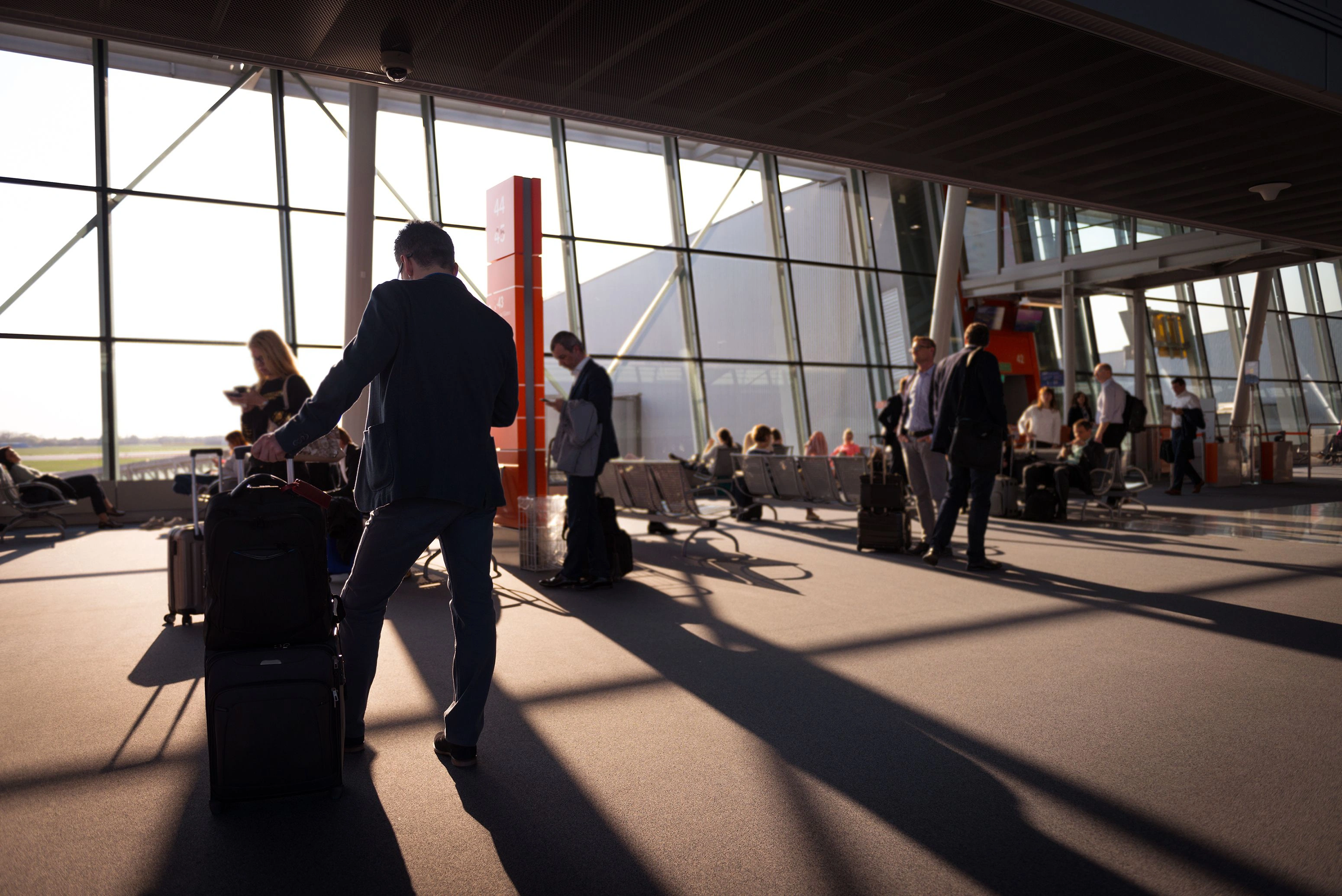
Frequent flyers with United elite status feel a capped schedule differently than occasional travelers do. Upgrade inventory shrinks along with total seat count, since there are simply fewer premium cabin seats moving through the hub each hour.
Standby upgrade clearance, which was already competitive on popular Newark routes, has gotten tighter this year. If you're relying on same-day confirmed upgrades through EWR, expect longer waitlists than you'd see at a less-constrained United hub like Chicago or Houston.
Award seat availability follows the same pattern. Airlines tend to release fewer discounted award seats when every seat on a capped schedule carries more revenue weight, so book award space earlier than you might have in years past.
What Changed From Pre-Cap Booking Windows
Before the cap, it was common to find United Polaris award space opening up two to three weeks before departure on popular Newark routes, especially in shoulder season. That pattern has largely disappeared this year.
Route-specific award availability now tends to appear either far in advance, at initial schedule load, or not at all until very close to departure when a seat happens to go unsold. Planning around one of those two windows, rather than the old middle-ground timing, is the more realistic approach for 2026.
What Overbooking Looks Like Under a Capped Schedule
A tighter hourly cap also changes the math airlines use when they oversell a flight. With fewer total seats moving through Newark each hour, a single oversold flight has less room to absorb volunteers before involuntary bumps become likely.
If you're flying through EWR regularly, it's worth understanding how overbooking actually works and what your rights are before you're the one standing at the gate being asked to give up a seat.
How Winter Weather Compounds the Cap's Effects
A capped schedule leaves less slack to begin with, and winter weather is where that shows up most sharply. Newark sits in a corridor prone to nor'easters and lake-effect snow spillover, both of which regularly force ground stops and reduced arrival rates independent of the FAA's hourly cap.
The FAA's order applies the same 72-per-hour rate across both the winter 2025/2026 and summer 2026 scheduling seasons, so the cap itself doesn't loosen in warmer months. Travelers connecting through Newark between December and March should build in extra buffer beyond what the 72-per-hour cap alone would suggest, since a single snow event can back up the schedule for the rest of the day.
Newark's weekend runway closures on Runway 4L-22R, tied to ongoing construction, add another layer of seasonal risk. Combined with the flat hourly cap, that means the airport has less built-in recovery room on exactly the weekends when winter storms are most likely to hit.
Is It Worth Rerouting Through JFK or LaGuardia Instead
For travelers with flexibility, the capped schedule raises an obvious question: should you just book through JFK or LaGuardia instead? It depends on what you're optimizing for.
Both JFK and LaGuardia handle significant traffic of their own and aren't immune to weather-driven delays, but neither is currently operating under an FAA-imposed hourly cap the way Newark is. The tradeoff is connectivity: United's international route network is heavily concentrated at Newark, so rerouting through JFK often means switching alliances or accepting a less direct itinerary.
For a domestic-only trip, LaGuardia can be a reasonable alternative if your schedule allows it and your destination is served from there. There's also a cost dimension worth weighing, since fares on alternate NYC-area airports can run higher during peak periods.
Weighing the Cost of Switching Airports
Some of that fare premium exists precisely because other travelers are already making this same rerouting calculation, which can offset whatever time savings you're chasing. For most United loyalists with international connections in the mix, Newark's cap is still worth working around rather than avoiding outright.
The Bottom Line for Newark Travelers
The cap isn't going away this year, and it's not designed to. It exists because Newark genuinely couldn't run its old schedule safely, and the fix more controllers, better tech, finished construction takes time measured in years, not months.
What's changed since my April connection is that the uncertainty itself has narrowed. Travelers now know the specific number, 72 movements an hour, and the specific end date, October 24, 2026, instead of guessing at an open-ended restriction.
For now, the smartest move is building your own buffer instead of counting on regulators to hand you more room. Explore more aviation coverage like this at Air Gazette.
Frequently Asked Questions
How many flights per hour is Newark capped at in 2026?
Newark is capped at 72 combined arrivals and departures per hour, effective October 26, 2025, through October 24, 2026.
Why did the FAA cap flights at Newark?
The FAA cited a combination of runway construction, air traffic controller staffing shortages, and technology outages that made the airport's prior schedule unsafe to maintain reliably.
Will the Newark flight cap be extended past October 2026?
The FAA hasn't announced plans beyond October 24, 2026. Any extension would likely depend on controller staffing and technology upgrades at Philadelphia TRACON reaching full readiness.
Does the flight cap mean more delays at Newark?
No, the cap is designed to reduce delays by aligning scheduled flights with what the airport can actually handle safely, rather than allowing overscheduling.
Which airline is most affected by the Newark flight cap?
United Airlines, as Newark's dominant carrier, has adjusted its schedule most directly, though the airline has publicly supported the cap for improving reliability.
Should I avoid booking connections through Newark in 2026?
Not necessarily, but build in extra connection time, especially during winter months, since the capped schedule leaves less room to recover from an inbound delay.
How does Newark's cap compare to other capacity-constrained airports?
Newark's situation is similar to controller-staffing-driven restrictions seen at other major hubs, though Newark's cap is unusual in being tied to a specific, dated FAA order rather than an open-ended advisory.