Ask a pilot which phase of flight worries them more, and you'll get a different answer than if you ask a statistician. Both are right. They're just counting different things.
Landing produces far more accidents than takeoff ever does. But when something goes wrong during takeoff, it goes wrong in a way that's disproportionately more likely to kill everyone on board.
Why Landing Wins the Frequency Count
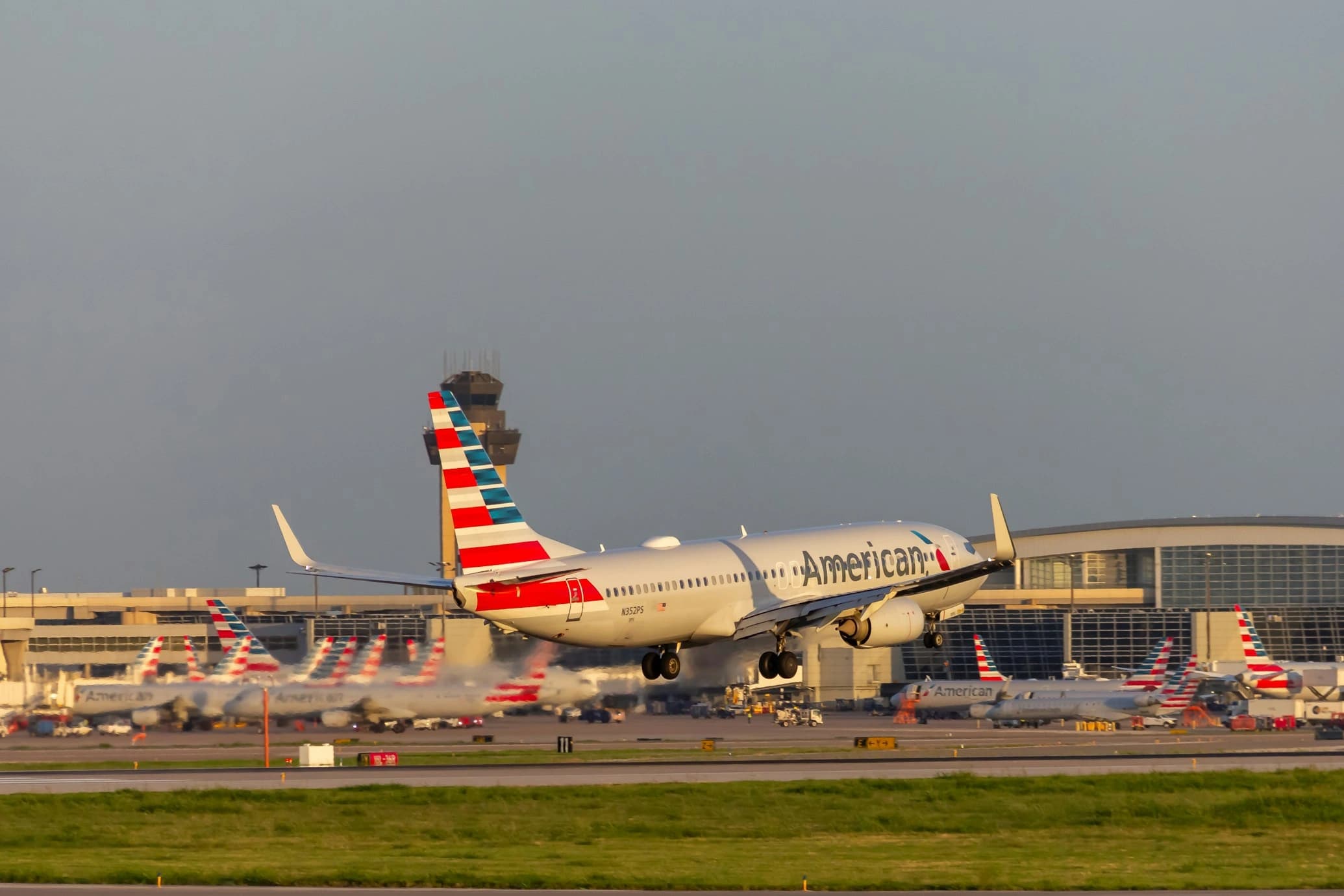
If you only looked at raw accident totals, landing would look like the dangerous phase by a wide margin. Data from the International Air Transport Association covering 2005 through 2023 puts landing at roughly 53% of all commercial aviation accidents, compared with 8.5% for takeoff. In 2024 alone, IATA recorded around 770 landing-related accidents against roughly 124 during takeoff.
Most of what's counted here isn't catastrophic. A hard touchdown, a runway excursion, a tail strike these register as accidents under international reporting standards even when nobody is hurt.
Landing accidents: ~53% of total (IATA, 2005–2023)
Takeoff accidents: ~8.5% of total
2022 global total: 43 accidents across roughly 28 million flights, with 158 fatalities
That last line matters. However you slice the data by phase, the overall base rate is small enough that a single bad year can swing the percentages more than any real shift in safety.
Why "Most Accidents" Doesn't Mean "Most Dangerous"
Frequency and severity are two different measurements, and conflating them is where most casual reporting on this topic goes wrong. Landing accidents skew survivable because the aircraft is slow, configured for a controlled descent, and shedding energy in a predictable way when something goes sideways.
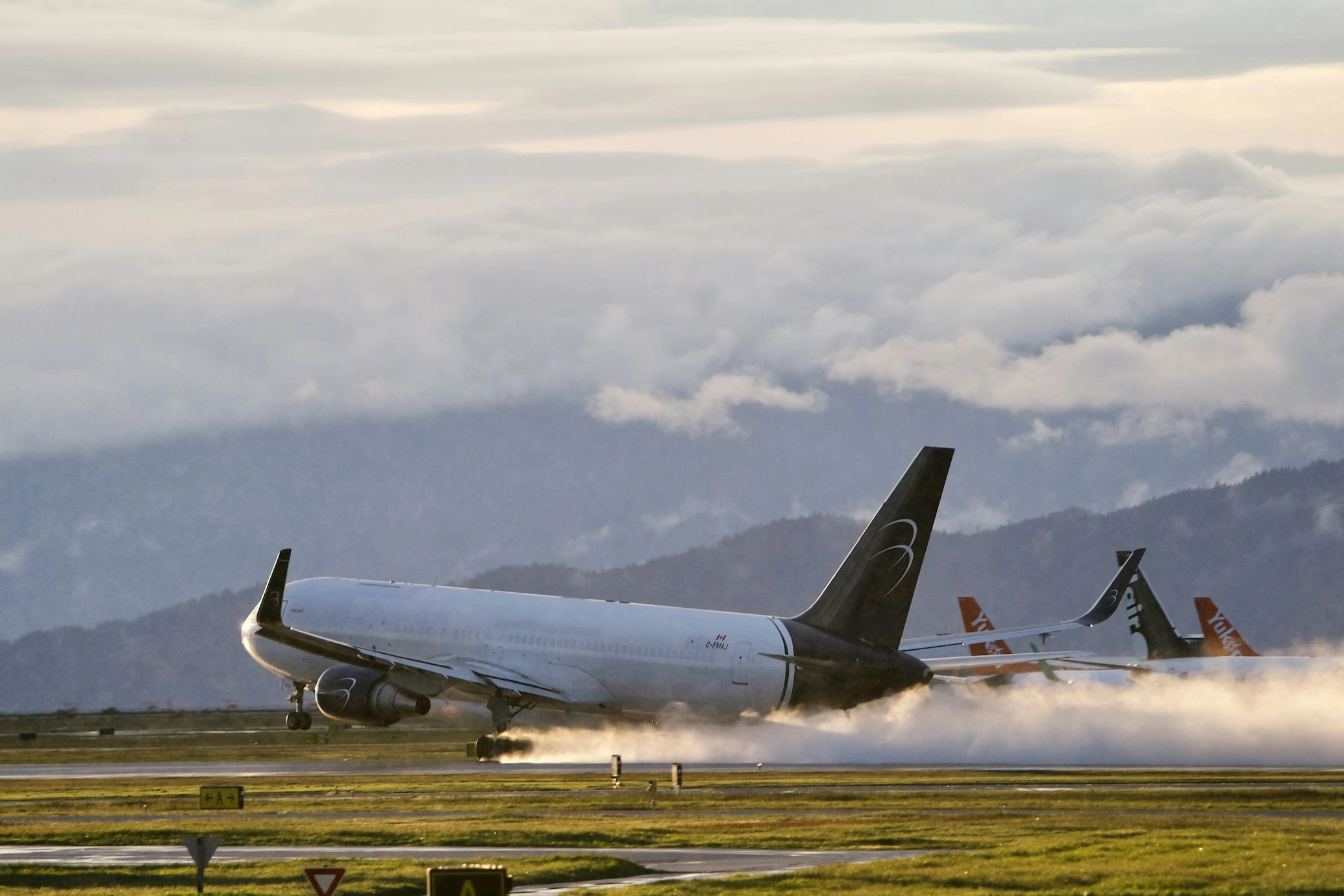
Takeoff is the opposite energy state. The aircraft is heavy with a full fuel load, accelerating, and close to the ground with far fewer options if something fails.
That asymmetry is why regulators built specific rules around this exact moment, rather than treating takeoff and landing as symmetrical risks.
The Rule That Removes a Pilot's Choice at the Worst Possible Moment
Every takeoff in a commercial jet is governed by a calculated speed called V1 the point past which, under 14 CFR Part 25 certification standards, a crew is required to continue the takeoff even if an engine fails. Below V1, they can abort. Above it, stopping on the runway is considered riskier than continuing into the air on reduced power.
This single rule is the clearest operational explanation for why takeoff-phase problems trend more severe. There's no equivalent "abort and try again" option once the aircraft is committed to flying, the way there is during an unstabilized approach.
Landing has the opposite safety valve built in. FAA and ICAO stabilized-approach criteria require crews to go around abandon the landing and circle back if the aircraft isn't correctly configured, on speed, and on the proper glidepath by a set altitude. That single procedural rule likely accounts for a meaningful share of why landing accidents stay frequent but rarely fatal: pilots are trained and mandated to bail out of a bad approach long before it becomes a bad landing.
What Boeing's Own Numbers Show About the First Two Minutes
Boeing's internal analysis of fatal commercial jet accidents found that the takeoff and initial climb phase accounts for only about 2% of total flight-time exposure, yet is responsible for roughly 20% of fatal accidents and 20% of fatalities, according to reporting on the manufacturer's data. That's a concentration of risk per minute of flight that no other phase comes close to matching.
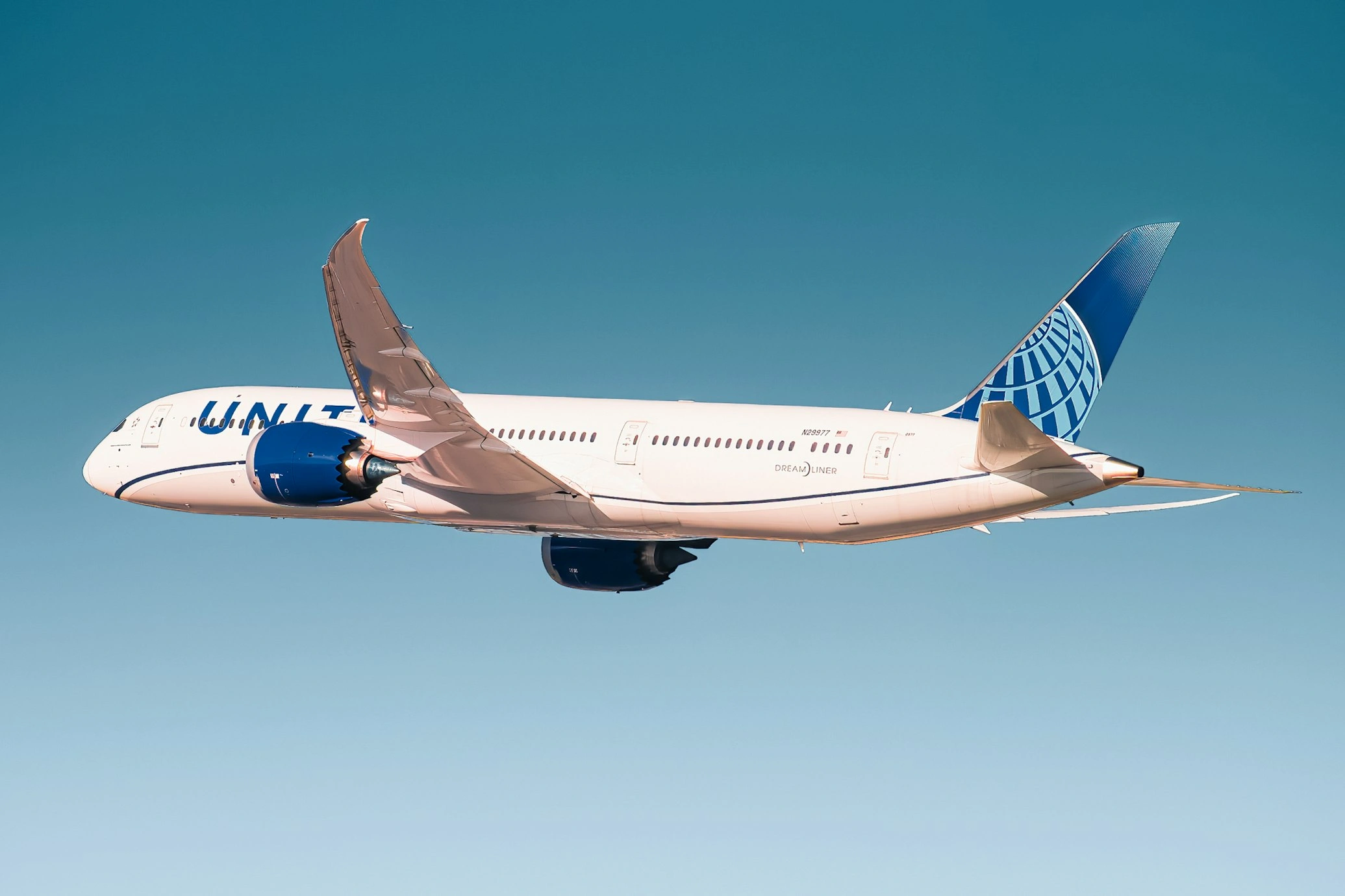
Wide-body jets flying long-haul routes the Boeing 787 and Airbus A350 among them are certified with wider performance margins on takeoff than older narrow-body designs, partly because they're built to keep flying safely on one engine at heavier weights. That's part of why airlines can keep pushing long-haul range with these aircraft: the certification math on engine-out performance has gotten more forgiving, not less.
None of this means takeoff is common as an accident site. It means that on the rare occasions something goes wrong there, the margin for recovery is thinner than at almost any other point in the flight.
Why Two "Official" Numbers Can Both Be Right
Depending on which year range or Boeing report edition you pull from, the leading phase for fatal accidents specifically has shifted between landing and takeoff-and-climb. That's not a contradiction in the data so much as a reflection of how small the sample size is at the fatal-accident level, and how classification boundaries between "final approach," "landing," and "initial climb" get redrawn periodically by industry taxonomy groups.
The full methodology behind these figures is documented in Boeing's Statistical Summary of Commercial Jet Airplane Accidents, hosted by the FAA, which lays out exactly how CICTT phase-of-flight categories are defined and revised. It's worth reading directly if you want the source rather than someone else's summary of it.
This is precisely why a title asking "which is more dangerous" doesn't have one clean answer. Ask about raw accident count, and landing wins by a wide margin. Ask about fatality concentration relative to how little time is actually spent in that phase, and takeoff looks considerably worse.
What This Means If You're Flying 15 or More Segments a Year
For a frequent flyer logging business and premium leisure segments, the honest takeaway is that neither phase should change how you fly. The safety record at even the riskiest commercial airports in the world remains dramatically safer than nearly any other form of transportation, and that gap has widened over the last two decades as certification standards and cockpit technology have improved.
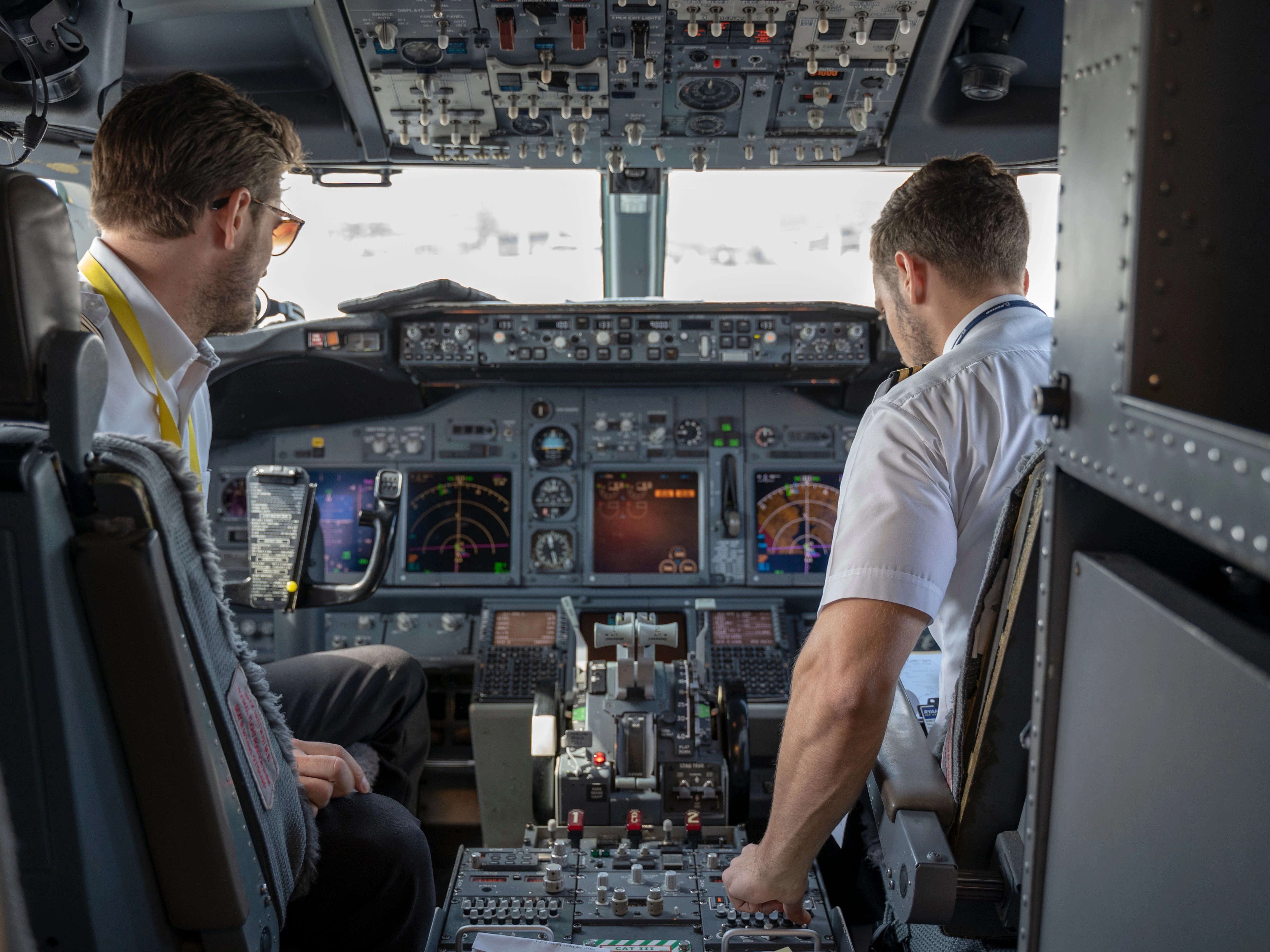
What has changed is where the industry is investing next. Regulators and manufacturers are pushing harder on runway overrun awareness alerting and improved vertical separation standards between aircraft, both aimed at closing the remaining gap between "frequent but survivable" and "rare but catastrophic." Expect more of that investment aimed at closing the runway-safety gap on both ends of flight over the next six to twelve months. EASA's 2026 aerodrome rulemaking update is currently in public consultation, and the FAA's National Runway Safety Plan continues funding surface-safety initiatives through 2026. IATA's most recent accident-prevention recommendations push airlines toward better terrain-awareness and satellite-positioning data, the same category of investment driving runway and approach safety gains more broadly. That's consistent with where the data says the return per dollar spent is highest.
Airlines absorb the cost of this investment directly, through fleet retrofits for runway overrun alerting and recurrent simulator training tied to go-around decision-making. Manufacturers absorb a share too, since certifying wider engine-out margins on aircraft like the 787 and A350 is itself an R&D and testing cost baked into the aircraft price.
Passengers absorb almost none of this directly beyond what's already embedded in the fare. What they get in return is a system that keeps getting safer at both ends of the flight, without needing to change how they fly.
Modern flight-deck technology, including improved systems resilience against GPS interfer
ence, is part of the same broader trend: closing safety gaps wherever the data shows concentrated risk, rather than treating every phase of flight as equally dangerous.
For more aviation safety reporting like this, visit Air Gazette for ongoing coverage of the data behind the headlines.
Frequently Asked Questions
Is flying safer than driving?
Yes, by a wide margin. Commercial aviation fatalities per mile traveled are a small fraction of those for passenger vehicles, and the gap has widened as aircraft certification and air traffic systems have improved over the past two decades.
What is V1 speed?
V1 is the calculated takeoff decision speed below which a pilot can safely abort and above which the takeoff must continue, even with an engine failure. It's set for every flight based on aircraft weight, runway length, and conditions.
What is a stabilized approach?
It's a set of criteria correct speed, configuration, and glidepath by a specific altitude that a landing must meet or the crew is required to go around. It's one of the main reasons landing accidents rarely turn fatal.
Why do more accidents happen during landing than takeoff?
Landing involves managing more variable factors wind, runway condition, approach angle during a phase where the aircraft is already slow and low-energy, which produces more minor incidents but fewer catastrophic outcomes.
Are wide-body jets safer during takeoff than narrow-body jets?
Wide-body long-haul aircraft are typically certified with larger performance margins for engine-out scenarios, since they're built to maintain safe climb performance at higher takeoff weights over longer routes.
Has commercial aviation gotten safer in the last decade?
Yes. Both total accident rates and fatal accident rates have declined significantly over the past twenty years, even as global departures have increased, according to Boeing's long-running statistical summaries.
Should frequent flyers change how they fly based on this data?
No. The absolute risk at either end of a flight remains extremely low, and the data is more useful for understanding where the industry is investing in safety improvements than for changing personal travel habits.