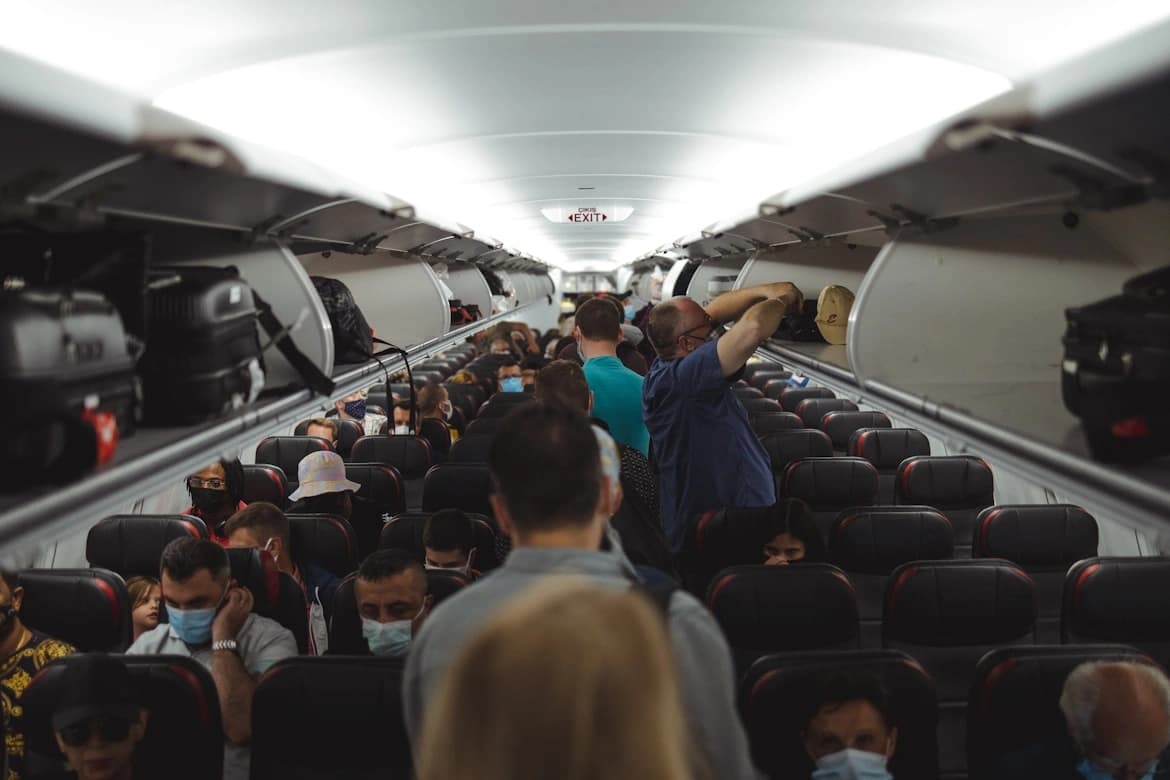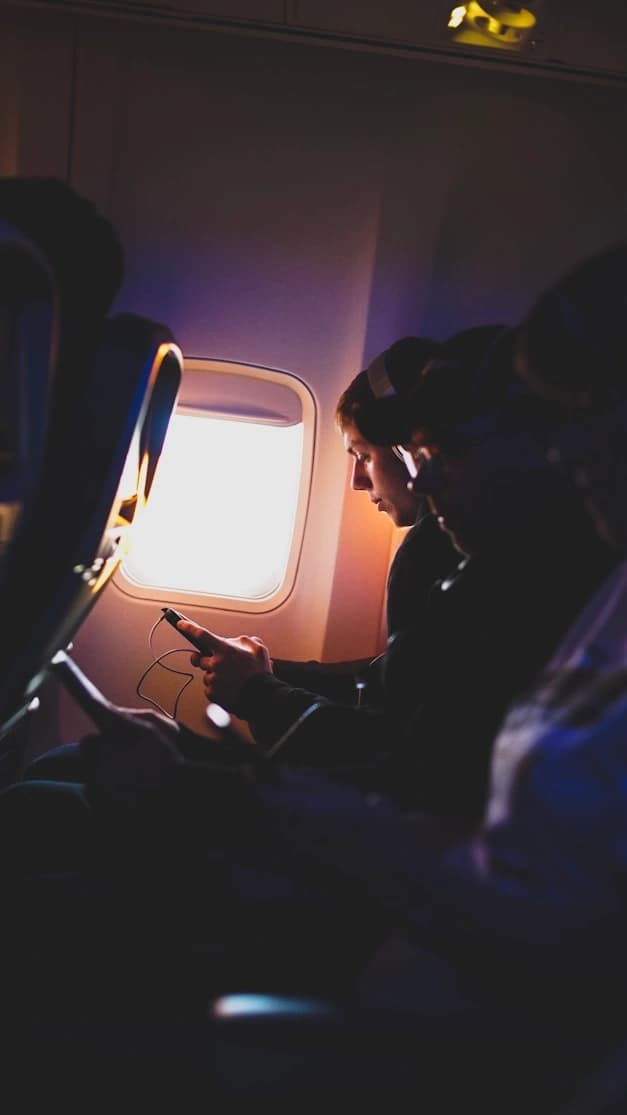
United just turned an unspoken courtesy into a legal condition of your ticket. Skip your headphones for a TikTok scroll, a song, or a movie, and a flight attendant can now remove you from the aircraft.
Do it again, and United says it can ban you from flying with the airline for good.
The airline quietly added the language to its Contract of Carriage on February 27, 2026. Most flyers have no idea it exists.
What United's Updated Contract of Carriage Actually Says
The change sits inside United's Contract of Carriage, the binding legal terms every passenger accepts when they buy a ticket. The exact language, confirmed by CBS News and Fox Business, states that United may act against "passengers who fail to use headphones while listening to audio or video content," covering music, movies, and social media clips played out loud.
The clause lives under Rule 21(H)(22), the safety section of United's "Refusal of Transport" rule, alongside longstanding grounds like disorderly conduct. Rule 21 itself isn't new, but headphone use has moved from an unwritten courtesy into an explicitly enumerated, safety-linked violation.
That distinction matters legally. A written contractual clause gives United a documented basis for a removal decision, rather than a judgment call a crew member has to justify after the fact.
Rule 21's History Makes This Change Land Differently
Rule 21 has been through public scrutiny before. It became a household name in 2017, after United forcibly removed passenger Dr. David Dao from a Chicago-to-Louisville flight to make room for crew members, triggering years of scrutiny over how broadly the rule could be applied.
Adding a headphone clause into that same rule, nearly a decade later, means any future headphone-related removal inherits that reputational weight. United is betting that a clearly written rule reduces disputes; critics will likely argue it just expands the rule's reach.
It's worth remembering why crews have this authority at all. As Air Gazette has covered before, flight attendants are classified as federal safety officers, not service staff, which is the legal foundation Rule 21 draws on for any removal decision, headphones included.
Why This Landed in Rule 21, Not a New Policy Page
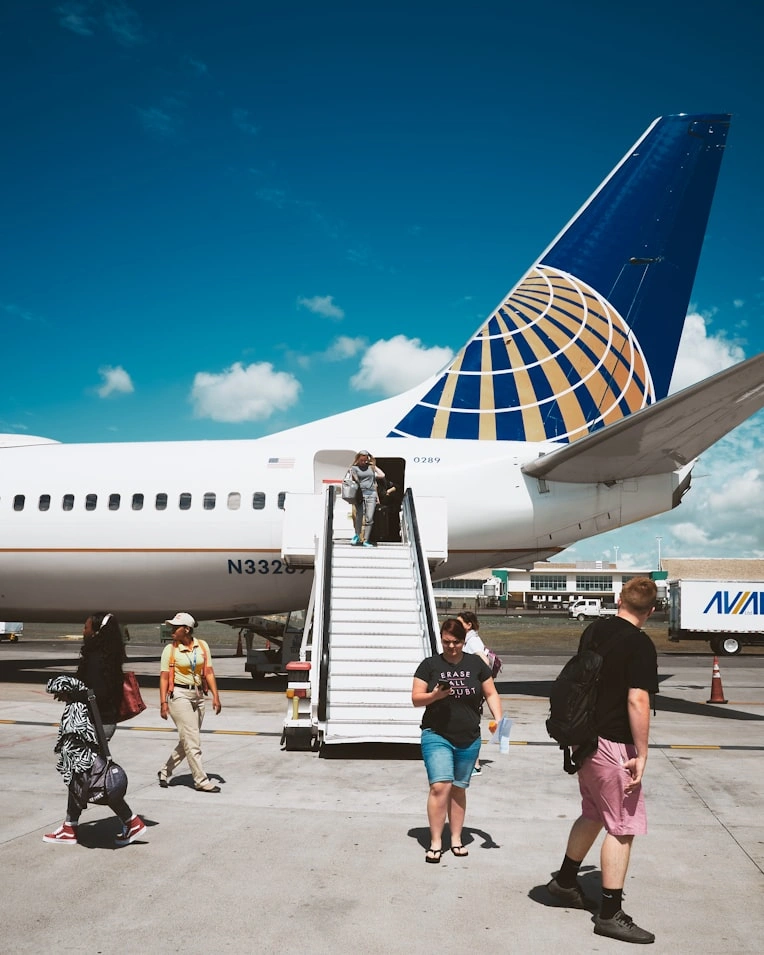
United didn't publish a press release. The change surfaced only after outside observers spotted the update inside the document itself.
A United spokesperson told Afar the timing tracks with the airline's expanding Starlink Wi-Fi rollout: "We've always encouraged customers to use headphones when listening to audio content, and our Wi-Fi rules already remind customers to do so. With the expansion of Starlink, it seemed like a good time to make that even clearer."
Faster, free Wi-Fi means more passengers streaming video and audio at their seats, erasing the buffering and data caps that once discouraged nonstop playback. That tradeoff is real: better connectivity is a genuine passenger benefit, but it also raises the odds of unwanted noise spilling into a crowded cabin.
What Happens If You Don't Comply
Under the new clause, a flight attendant can ask a passenger to put on headphones. Refusing is now treated the same as other Rule 21 violations, which can escalate to removal from the aircraft.
United's contract goes further than a single-flight consequence. The document states United "has the right to refuse transport, on a permanent basis, any passenger who engages in any of the activities in this Rule."
How a "Permanent Ban" Differs from the No-Fly List
A permanent ban from United is an airline-specific decision, not a federal no-fly designation. The federal no-fly list is maintained by the Transportation Security Administration and applies across all US carriers, while a United ban only means the airline can decline to sell that passenger a ticket in the future it doesn't prevent flying Delta, American, or any other carrier.
United's contract also includes a cost-recovery clause tied to Rule 21 violations: any passenger whose conduct causes United "loss, damage or expense" agrees to reimburse the airline. It goes further still, describing Rule 21 violations as a "material breach of contract" that excuses United from its own obligations under the ticket agreement.
That language isn't new to the headphone clause specifically it has applied to the other 21 reasons under Rule 21 for years. What changed is which everyday behavior now falls under that same legal umbrella.
What to Do If You're Removed Over This
Document everything in the moment, including the time, the crew member's name if offered, and what device or content triggered the request. A clear record matters if a dispute over the decision follows.
Review the specific wording in United's official Contract of Carriage before contacting customer service about a refund. Nonrefundable fares and additional fees can limit how much of the ticket cost is recoverable, even when a removal is contested.
Passengers who believe a removal was applied unfairly, such as over a brief, near-silent clip, can file a complaint through United's customer care channels or the US Department of Transportation's aviation consumer complaint process. That route doesn't guarantee reversal of a ban, but it creates a formal record.
Who Benefits and Who Pays the Price
United frames this as a cabin-experience fix. Passengers seated near someone blasting a phone speaker gain a clearer path to relief, and frequent flyers on tight connections benefit from a quieter cabin during short turnarounds.
The cost lands unevenly. Families with tablet-dependent kids and business travelers on calls now carry real legal exposure for a forgotten pair of headphones, and flight attendants absorb new responsibility enforcing a contractual clause instead of a polite announcement.
The clearest losers are travelers who don't know the rule exists, since United never publicized it. It's part of a broader pattern of airlines drawing harder lines on cabin access: Delta's 2027 fare changes follow the same structural logic, restricting a benefit that used to be assumed rather than conditional.
How United's Rule Compares to Other Airlines
United is the first major US carrier to write headphone use directly into its contract of carriage as an enforceable, removable offense:
Airline | Headphone policy | Enforcement level |
Written into Contract of Carriage, Rule 21(H)(22) | Grounds for removal or permanent ban | |
Reportedly began enforcing a similar in-cabin headphone expectation shortly after United's change | Crew-level enforcement, not yet contractual | |
No public policy change identified as of this writing | No formal change |
The pattern suggests headphone enforcement is spreading faster than airlines are willing to formally announce it. American's approach is a useful contrast: crews are reportedly asking passengers to comply on a case-by-case basis, without the same binding contractual language United has now put in writing.
The absence of a public Delta or JetBlue policy doesn't necessarily mean nothing is coming. It may simply mean those carriers are watching how United's enforcement plays out before committing anything to a binding document of their own.
Enforcement culture also varies by carrier well beyond the US market. Comparison of ANA and JAL shows how differently two airlines serving the same routes can treat cabin conduct, a reminder that a written rule and consistent enforcement are two separate things.
Is This Coming to American, Delta, and the Rest?

Reporting already indicates American Airlines crews are enforcing a comparable expectation, even without United's exact contractual language. That suggests other carriers are testing enforcement before committing it to a binding document.
Watch for two things over the next two quarters: whether American or another major carrier formalizes its own version of Rule 21(H)(22), and whether United faces its first publicized dispute over an ambiguous case, such as a brief video at low volume.
The broader signal for the sector is that unwritten cabin etiquette is becoming contractual. As Wi-Fi speeds improve industry-wide, expect more airlines to formalize rules that used to live only in boarding announcements, not just around headphones but around device use generally.
What to Do Before Your Next United Flight
Pack headphones as deliberately as you pack your boarding pass, and keep a charged backup pair in a seat-back-accessible bag rather than checked overhead. United says crew members can provide a complimentary pair on request, but availability at your specific seat isn't guaranteed.
Traveling with kids who use tablets is worth planning around directly child-sized headphones or pre-downloaded shows with captions remove the guesswork. Business travelers who typically join calls during boarding should treat this as a scheduling issue, pushing calls to before security or after landing where possible.
Frequent United flyers on tight layovers should also budget a few extra minutes at the gate for a crew reminder about the policy, however brief. For more structural breakdowns of how airline policy changes actually affect your next trip, explore the full archive at Air Gazette.
Frequently Asked Questions
Can United actually ban me for life over this?
Yes. United's Contract of Carriage states the airline can refuse transport on a permanent basis to any passenger who violates Rule 21, which now includes the headphone requirement.
Does the rule apply to Bluetooth headphones too?
The published language requires headphone use generally and does not distinguish between wired and Bluetooth models. Either should satisfy the requirement, since the rule targets audible sound, not a specific device type.
What counts as "audio or video content" under the policy?
United's language covers music, video, and social media content played through a device's speaker. A silent video with no audio output would not trigger the rule.
Can flight attendants enforce this at their own discretion?
Crew members apply the rule the same way they enforce other Rule 21 provisions, using judgment about when a request has gone unheeded. United has not published a script or fixed threshold for escalation.
Do other airlines have a similar headphone rule?
Not yet in contractual form. American Airlines has reportedly stepped up in-cabin enforcement of headphone use, but as of this writing, no other major US carrier has written it into a binding contract of carriage.
What's the difference between an airline ban and the federal no-fly list?
An airline-specific ban only affects future bookings with that one carrier. The federal no-fly list is a TSA designation that applies across all US airlines and is unrelated to this policy.
Will United provide headphones if I forget mine?
United has stated that crew members can provide headphones upon request. Supply is not guaranteed on every flight, so bringing your own remains the more reliable option.
Can I get a refund if I'm removed over this?
United's contract allows for reimbursement discussions, but nonrefundable fares and applicable fees can limit what's recoverable. Contacting customer service promptly with documentation of the incident gives you the best chance at resolution.
Does this rule apply during boarding, or only once the flight is airborne?
Reporting indicates the rule applies broadly to any point a passenger is listening to audio or video content aboard the aircraft, which would include boarding and taxi as well as cruise. United has not published a narrower time window for enforcement.