Your suitcase didn't just disappear into an airport void. Federal rules make Delta, United, and American legally liable for it, whether or not the gate agent mentions that. The number is $4,700 per passenger on domestic flights, and none of the three can quietly cap it lower.
Most travelers never collect the full amount. That isn't because the airlines are especially generous it's because almost nobody knows the deadlines or the paperwork.
Each airline handles the process a little differently, and one of the three just made its own generosity a lot harder to access.
The Federal Rule Behind Every Baggage Claim
This isn't airline goodwill. It's a binding rule from the Department of Transportation, and it applies the same way whether you're flying Delta, United, or American.
For domestic flights, DOT regulation 14 CFR Part 254 sets a maximum liability of $4,700 per passenger for a lost, damaged, or delayed bag. Airlines can pay more, but they cannot legally offer less.
International flights fall under the Montreal Convention instead, which caps liability at 1,519 Special Drawing Rights per passenger. DOT's own current figure puts that at approximately $2,175 in U.S. dollars, though the exact conversion shifts slightly since the SDR is an IMF currency unit reviewed on a five-year cycle, not a fixed dollar figure.
DOT has enforced this before. In 2019, the department fined United $20,000 for giving passengers outdated Montreal Convention figures on printed ticket materials.
The lesson from that case still applies. Airlines are required to state these limits accurately, and a representative quoting you a vague or lowball number isn't citing the actual regulation. It's a similar dynamic to how the FAA's own rulemaking process governs what airlines can and can't do until a regulation actually changes.
What Delta Owes You
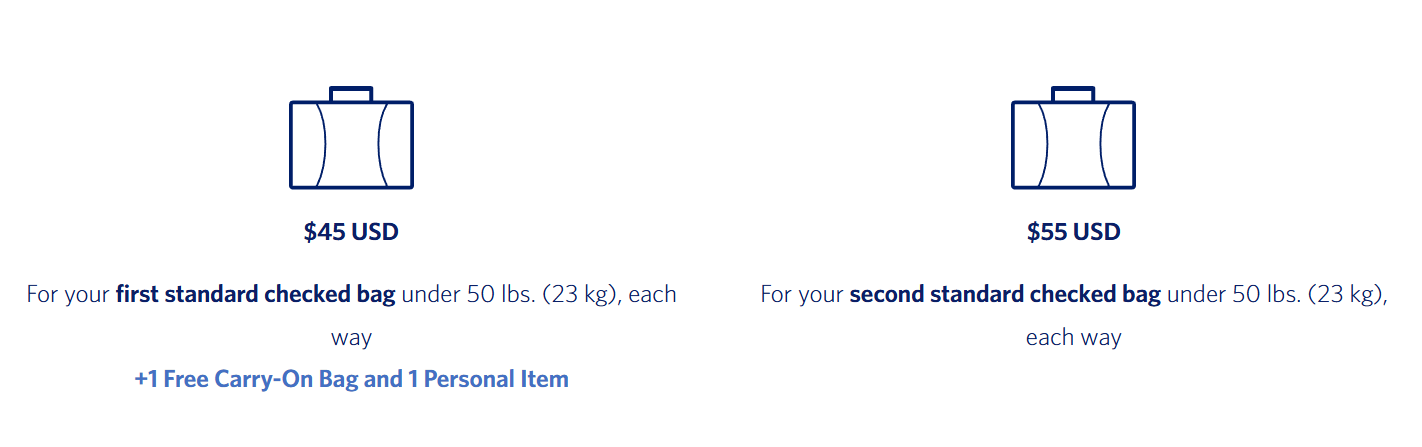
Delta's own baggage liability page states plainly: domestic claims are capped at $4,700 per ticketed passenger, and international claims fall under the 1,519 SDR Montreal Convention limit.
Delta also publishes a specific number for delay-related expenses. The airline lists $50 a day as "generally determined" to be sufficient for the first five days of a delay.
That figure is a guideline, not a ceiling. Delta cannot legally refuse to cover documented expenses beyond it, and pushing back on a lowball offer is well within your rights.
Delta's 21-Day Rule and the Bag Fee Refund
If Delta hasn't located your bag within 21 days of your arrival, it's officially declared lost, and a settlement conversation begins. Before that point, you're still in the delayed-bag process, not the lost-bag one.
Separately, Delta refunds your checked bag fee once a domestic bag is delayed more than 12 hours past gate arrival. International thresholds run 15 hours on shorter flights and 30 hours on flights over 12 hours long.
The 20-Minute Guarantee Just Got a Lot Less Forgiving
Delta also runs a loyalty perk separate from federal compensation: SkyMiles members get 2,500 bonus miles if a domestic bag doesn't reach the carousel within 20 minutes of arrival. This is not the same thing as your legal reimbursement rights, and travelers who confuse the two often walk away thinking they've been made whole when they haven't.
As of March 2026, Delta confirmed to reporters that the filing window for that specific bonus-mile claim was cut from three days to two hours after the flight reaches the gate. Miss the window, and the 2,500 miles are gone, though your underlying DOT and Montreal Convention rights are untouched.
Set a reminder before you even leave the jet bridge. The claim form lives at delta.com/bag-guarantee, and two hours disappears fast if you're also trying to find a rental car counter.
Damage Deadlines Are Tighter Than You'd Expect
Delta requires damaged-bag reports within 6 hours of arrival for domestic tickets issued on or after October 8, 2025, though older tickets still get 24 hours. International damage reports carry a 7-day window.
A handful of exceptions extend that window, including damage to mobility devices and damage that isn't visible from the outside of the bag. Those cases get 24 hours from arrival instead of the standard 6.
What United Owes You
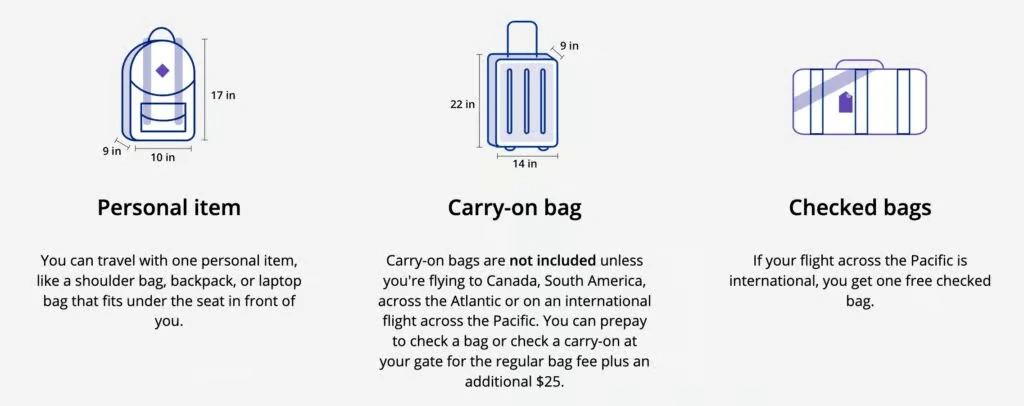
United's domestic liability limit matches the federal ceiling at $4,700 per passenger, and its international cap follows the same 1,519 SDR Montreal Convention figure used industry-wide.
United requires delayed-bag reports within 24 hours of a domestic arrival, and within 21 days for international trips. Miss that window and your claim gets harder to defend, even if United was clearly at fault.
Reimbursement claims for reasonable expenses must be filed within 45 days domestically, or 21 days internationally. Any interim payments United makes for essentials get deducted from a later lost-bag settlement.
United's Bag Fee Refund Timing
Like Delta, United automatically refunds checked bag fees once a domestic delay passes 12 hours. That threshold isn't United being generous it's the DOT's own significant-delay standard, and every U.S. carrier is bound by it.
For international itineraries, the refund trigger is 15 hours on flights of 12 hours or less, and 30 hours on longer routes. United also commits to delivering your bag once it's located, rather than making you retrieve it from the airport.
United's Damage and Missing-Item Claims
Damaged-bag claims follow the same 24-hour domestic window United uses for delayed-bag reports, with international travelers given the standard 21-day cushion. Photograph the damage before you leave the airport if possible.
Missing items from an otherwise-arrived bag follow a separate process from a fully delayed or lost bag. File that report as soon as you notice the contents are incomplete, since the clock starts at the moment of arrival, not discovery.
Who Benefits and Who Absorbs the Cost
The $4,700 domestic floor doesn't move, no matter which policy tweaks airlines make around it. That protects passengers from the worst-case scenario regardless of which of the three carriers they fly.
The airlines benefit most on the margins, not the floor. A two-hour claim window for a bonus-mile perk costs Delta almost nothing to advertise and quietly reduces how many SkyMiles it actually has to hand out.
Passengers absorb that cost through vigilance, not dollars. The real financial exposure, a lost bag's replacement value, remains protected by federal rules the airlines can't touch. The loyalty perks sitting on top of that floor are a different story entirely.
What American Owes You
American Airlines' Conditions of Carriage confirm the identical $4,700 domestic cap and 1,519 SDR international limit. The consistency across all three airlines isn't a coincidence it's the same federal floor.
American asks for delayed-bag reports within 4 hours of a domestic arrival, tighter than Delta's or United's 24-hour window. International reports should be filed immediately on arrival, per American's own customer service plan.
Damage claims follow a different clock: 24 hours domestically, 7 days internationally. American reimburses checked bag fees once a bag is confirmed lost, and covers reasonable interim expenses while a bag is delayed, though it doesn't publish a specific loyalty-mile bonus the way Delta does.
Worth flagging: DOT consumer-report data analyzed by baggage-tracking firms has repeatedly shown American with the highest mishandled-bag rate among major U.S. carriers over the past several years. American has publicly attributed recent improvement to changes in how it moves bags between connecting flights at its hubs.
The Three Airlines, Side by Side
Delta | United | American | |
Domestic liability cap | $4,700 | $4,700 | $4,700 |
International cap (Montreal Convention) | 1,519 SDR | 1,519 SDR | 1,519 SDR |
Delayed-bag report deadline (domestic) | Same day recommended | 24 hours | 4 hours |
Bag fee refund trigger (domestic) | 12+ hours | 12+ hours | Upon lost-bag confirmation |
Loyalty bonus for late bags | 2,500 SkyMiles, 2-hour claim window | None published | None published |
The liability numbers are identical because they're set by regulation, not by competitive pressure. Where the airlines actually differ is in reporting deadlines and how forgiving their process feels once you're standing at an empty carousel.
The Industry Is Getting Better, But Not Fast Enough
Global mishandled-baggage rates fell 23% in 2025 to 4.9 bags per 1,000 passengers, according to SITA's 2026 Baggage IT Insights Report released in June. That's the lowest rate outside the pandemic years, even as passenger volumes hit record highs.
The improvement hasn't erased the cost. Mishandled bags still drained an estimated $6.3 billion from the industry in 2025, roughly 15% of total airline profit, with each incident averaging $260 in operational and compensation costs.
Baggage transfers remain the single biggest cause of mishandling, responsible for 39% of cases. That's the reason connecting itineraries carry more risk than nonstops, regardless of which of the three airlines you fly. It's also why congestion at hubs already straining under reduced flight caps like Newark's tends to produce more mishandled bags, not fewer, as connection windows tighten.
What This Signals for the Next 6 to 12 Months
Roughly three in four airlines plan to expand AI-powered tracking tools over the next two years, and industry-wide bag tracking under IATA Resolution 753 has now passed the halfway point toward full 2027 compliance. Expect Delta, United, and American to lean harder on real-time tracking features as a way to reduce claim volume rather than compensation amounts.
That's also the more likely explanation behind Delta's tightened SkyMiles claim window. Reducing friction-free bonus payouts is cheaper than fixing transfer logistics, and it doesn't touch the federally mandated $4,700 floor at all.
It's the same pattern that shows up elsewhere in air travel regulation: airlines get real operating discretion right up until a federal statute draws a hard line, whether that's a flight attendant's legal authority under 14 CFR Part 121 or a baggage liability floor under Part 254. Once that line exists, no amount of fine print moves it.
When Travel Insurance or a Credit Card Fills the Gap
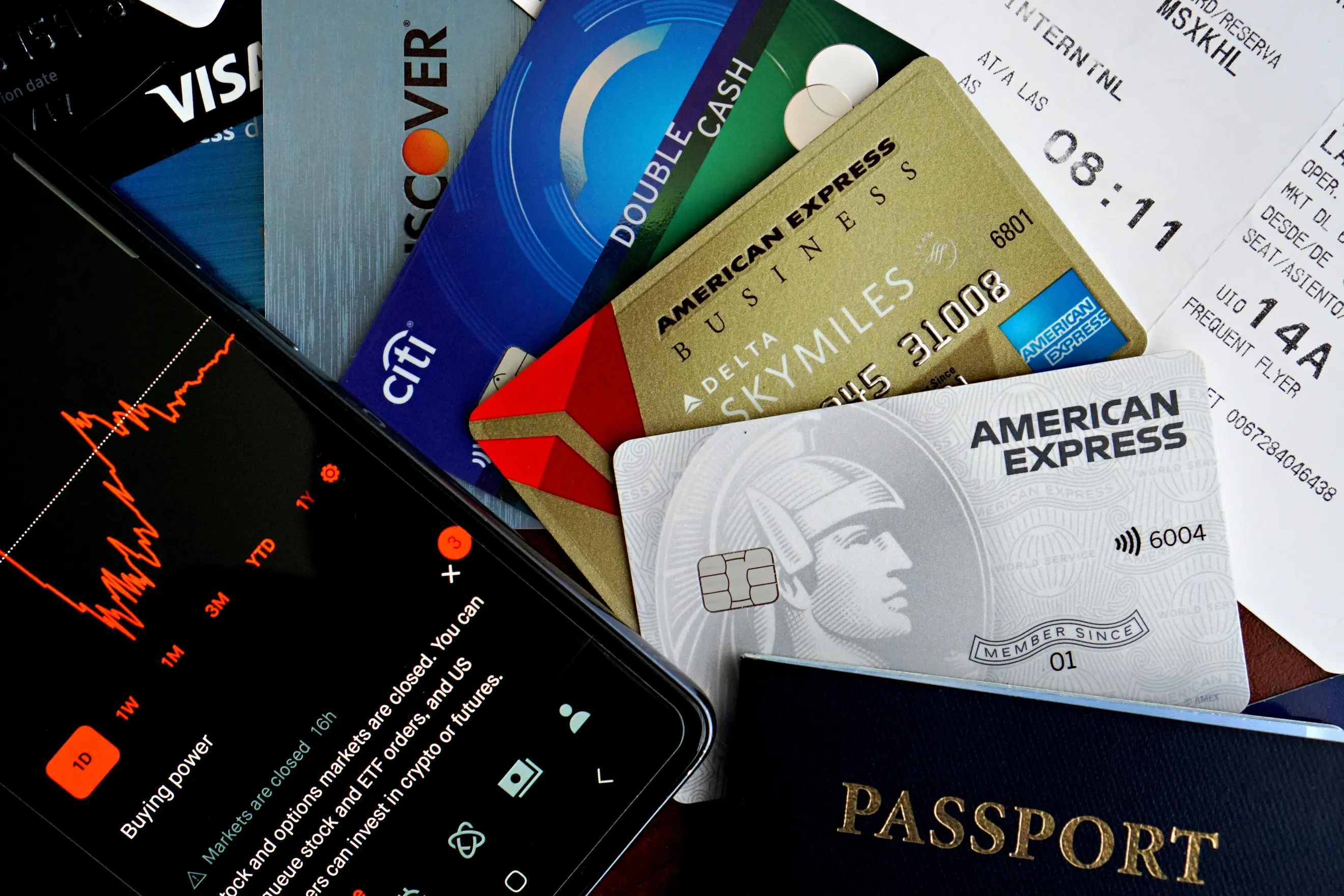
Airline liability limits are a floor, not a full safety net. A $4,700 domestic cap sounds generous until you're replacing camera gear, prescription equipment, or a suit bought for a work trip on short notice.
Several travel credit cards include their own baggage delay and lost luggage benefits, often layered on top of whatever the airline pays. These policies typically require the delay to exceed a set number of hours, such as six, before coverage kicks in.
Filing with the airline first matters even if you plan to use a card benefit afterward. Most card issuers require proof that you already pursued the airline's own claims process before they'll pay out the difference.
How to Actually Collect What You're Owed
File a Property Irregularity Report before you leave the airport, regardless of airline. Every reimbursement claim traces back to that file reference number, and claiming without one is far harder.
Keep every receipt for anything you buy while waiting: clothing, toiletries, basic necessities. Airlines can't dictate a hard daily spending cap, but they will ask for documentation.
Know which clock you're on. The DOT reimbursement process runs on weeks, the Montreal Convention runs on a fixed dollar cap, and Delta's SkyMiles bonus runs on a two-hour sprint that has nothing to do with either. It's a similar patchwork to what shows up in DOT-mandated cash compensation for bumped passengers, where a fixed federal number sits underneath whatever an airline offers at the gate.
If a representative quotes you a number that sounds suspiciously close to $50 a day and calls it final, that's a starting offer, not a legal limit. The same federal baggage rights page that sets the $4,700 ceiling also confirms airlines cannot impose an arbitrary daily cap on reasonable expenses.
Escalate in writing if a claim stalls past a few weeks. A written complaint through the airline's customer relations department creates a paper trail, and DOT accepts consumer complaints directly if an airline stops responding altogether.
Track the settlement math carefully if your bag goes from delayed to lost. Interim expense payments get deducted from your final payout, so keep a running total rather than assuming each reimbursement is separate from the eventual settlement.
A Pattern Worth Watching
Delta's SkyMiles claim window is the clearest sign yet that airlines are tightening the fine print around goodwill perks while leaving the federally mandated compensation untouched. That's a legal distinction worth remembering the next time a gate agent mentions bonus miles instead of your actual rights.
Expect United and American to face similar pressure to streamline their own loyalty-adjacent baggage perks over the next six to twelve months, especially as mishandled-bag rates draw more scrutiny. The federal $4,700 floor isn't going anywhere, but the extras layered on top of it are clearly up for revision.
None of that changes what you're legally entitled to the next time a bag doesn't show up. It just means the paperwork discipline matters more than it used to.
For more coverage on the fine print airlines don't advertise, visit Air Gazette.
Frequently Asked Questions
How long does an airline have to find my bag before it's declared lost?
Most U.S. carriers, including Delta, United, and American, treat a bag as lost once it hasn't turned up within 21 days of your arrival. Before that point, you're in the delayed-baggage process, and a settlement conversation typically begins only after the 21-day mark passes.
Do airlines have to refund my checked bag fee for a delayed bag?
Yes. Federal rules require a refund once a domestic bag is delayed more than 12 hours past your flight's arrival, or 15 to 30 hours on international routes depending on flight length. This applies across Delta, United, and American.
Is compensation different for international flights than domestic ones?
Yes, and the difference is significant. Domestic flights fall under a $4,700 DOT liability cap, while international flights are governed by the Montreal Convention's 1,519 SDR limit, which DOT currently puts at approximately $2,175.
What changed with Delta's baggage guarantee?
Delta shortened the claim window for its 20-minute bag guarantee bonus from three days to two hours after the flight reaches the gate, confirmed by the airline in March 2026. This only affects the SkyMiles bonus, not your federal reimbursement rights.
Can an airline set its own daily limit on reimbursement for delayed-bag expenses?
No. Airlines can publish a reference figure, such as Delta's $50-a-day guideline, but they cannot legally cap reasonable expense reimbursement at that number. Documented expenses beyond it are still eligible for reimbursement.
What documentation do I need to file a baggage claim?
Start with a Property Irregularity Report filed at the airport before leaving, which generates a file reference number. Keep receipts for any essential items purchased while your bag is delayed, since airlines require proof for reimbursement.
Do Southwest or JetBlue offer better baggage guarantees than the big three?
Southwest doesn't publish a comparable bonus-mile guarantee, but its two-free-checked-bags policy reduces how often fee refunds even become relevant in the first place. JetBlue follows the same federal liability caps as Delta, United, and American, without a distinct loyalty bonus program layered on top.
Does a connecting flight increase my chances of a mishandled bag?
Yes. Industry data attributes roughly 39% of all mishandled-bag cases to transfers between flights, making connecting itineraries meaningfully riskier than nonstops regardless of airline. Building extra connection time reduces that risk more than any airline policy can.