Wanting to fly a fighter jet is easy. Getting selected to actually do it is not.
The path runs through a college degree, an officer commission, a punishing physical and vision exam, and a training pipeline that ranks every candidate against each other. Here is what that path actually looks like, step by step.
The timing matters, too. The Air Force has run roughly 2,000 pilots short of its authorized strength for years, more than half of that gap in the fighter pilot category alone, and officials have said the shortfall shows no sign of closing soon.
What It Actually Takes to Become a Fighter Pilot
Every Air Force fighter pilot starts as a commissioned officer. That means a bachelor's degree first, in any major, since the Air Force does not require a specific field of study.
Applicants must also begin pilot training between age 18 and their 33rd birthday. That window is fixed and does not flex for personal circumstances.
A qualifying score on the Air Force Officer Qualifying Test comes next. It is a roughly five-hour exam covering verbal, quantitative, and aviation-specific sections, and pilot applicants must clear a Pilot composite score of 25, on top of the general commissioning minimums of 15 Verbal and 10 Quantitative.
Air Force Pilot Requirements: Vision and Physical Standards
Vision trips up more hopeful applicants than almost anything else. Contrary to popular belief, 20/20 natural eyesight is not required.
The Air Force's own standard calls for near visual acuity of 20/30 uncorrected, and distance acuity no worse than 20/70, correctable to 20/20 in each eye. Color vision must also be normal, and corrective eye surgery can disqualify some applicants depending on the procedure and timing.
Do You Need 20/20 Vision to Be a Fighter Pilot?
No. Glasses and contacts are permitted, provided vision meets the correctable thresholds above.
This surprises a lot of readers who assume perfect eyesight is mandatory. It has never been the rule.
The Three Ways to Enter Air Force Pilot Training
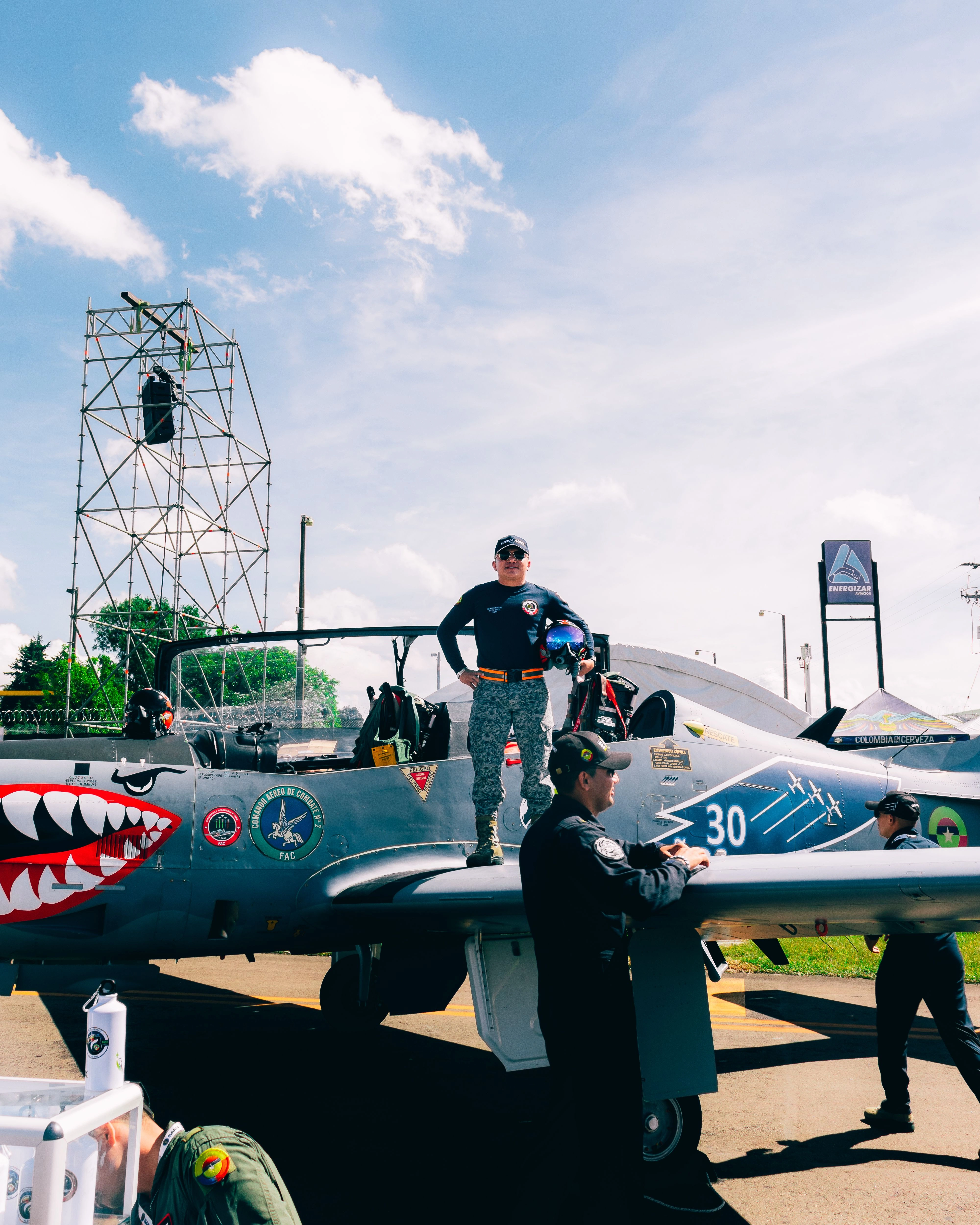
There is no single path into the cockpit. Every applicant commissions as an officer through one of three routes before pilot training even begins.
US Air Force Academy vs. ROTC vs. Officer Training School
The Air Force Academy is a four-year military college in Colorado Springs, and graduates commission directly as officers. Air Force ROTC runs alongside a normal college degree at partner universities, letting students commission the same way without attending a service academy.
Officer Training School is the fastest route. It takes candidates who already hold a bachelor's degree and commissions them after a shorter, intensive course.
None of these paths guarantees a flying slot. All three simply make a candidate eligible to compete for one.
Air Force vs. Navy: Which Branch Actually Gets You Into a Fighter Cockpit
This is the question aspiring pilots argue about more than any other, and forum threads on the topic run for pages. The honest answer is more nuanced than most people expect.
The Navy's aviation community skews more heavily toward fighter and strike aircraft as a share of its total fleet, since so much of naval aviation centers on carrier air wings. The Air Force flies far more total aircraft, but a large share of that fleet is cargo, tankers, and surveillance planes rather than the fastest fighters in its inventory.
That means the odds of landing a fighter slot, as a percentage of pilot seats available, can run higher in the Navy. But raw odds are not the whole story.
Why Performance, Not Branch, Decides Who Flies Fighters
Once selected for flight training, assignment to fighters comes down to performance, not branch.
The Navy's path also looks different in the details. Naval aviation candidates attend Officer Candidate School in Newport, Rhode Island, then a six-week indoctrination course in Pensacola, Florida, before primary flight training begins.
Undergraduate Pilot Training: What Happens After You're Selected
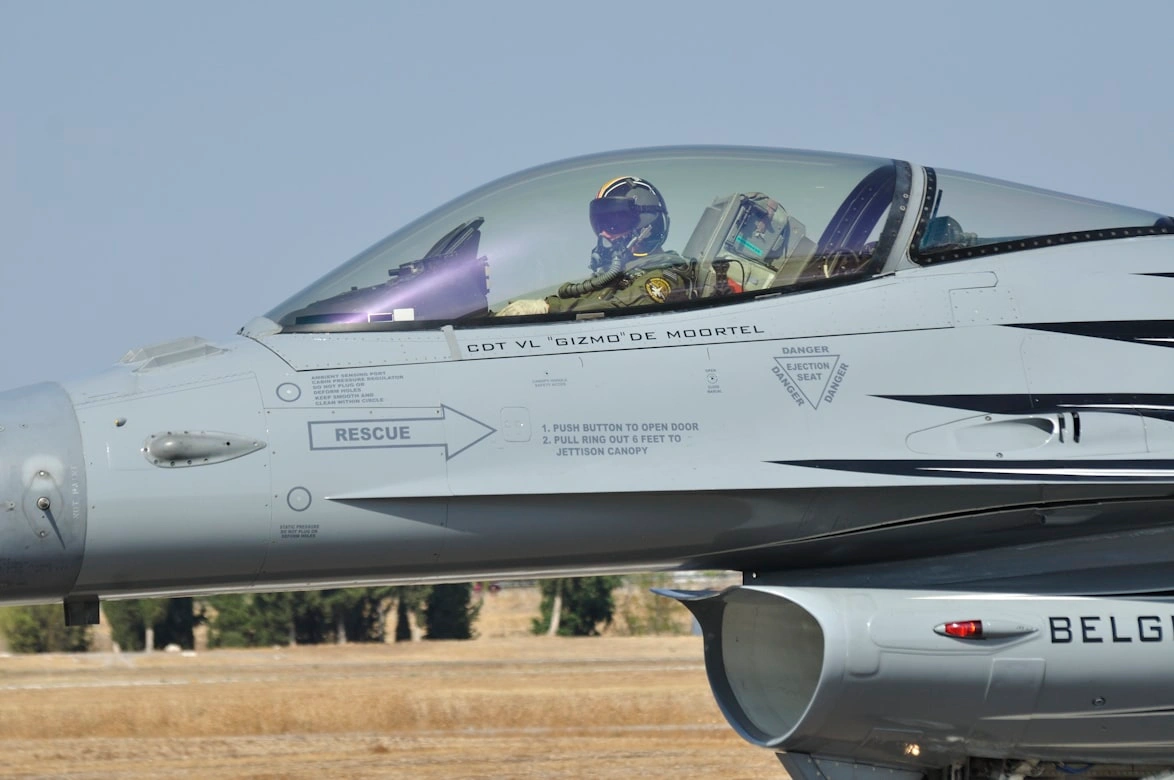
Passing the AFOQT and commissioning is only the beginning. Every new Air Force pilot then enters Undergraduate Pilot Training, where actual flying performance starts to matter more than test scores.
Training begins on a common track before students split into specific pipelines. Fighter and bomber candidates move into a dedicated advanced track, distinct from those headed to cargo, tanker, or helicopter assignments.
How Flight Grades Determine Whether You Fly Fighters, Cargo, or Helicopters
This is the part most outside guides skip entirely. Assignment to a specific aircraft type depends on class-standing, meaning students are ranked against their peers using flight grades earned throughout training.
The needs of the Air Force also factor in. A class full of strong candidates can still see fewer fighter slots than fighter-qualified graduates if there simply is not enough demand that cycle.
How Long It Takes, Start to Finish
The full journey from enlistment decision to fighter cockpit spans years, not months. Below is the typical sequence for a candidate with no prior military experience.
Stage | Approximate Duration |
Bachelor's degree (Academy, ROTC, or civilian college) | 4 years |
Officer Training School (OTS path only) | 9–12 weeks |
Undergraduate Pilot Training | 12–14 months |
Fighter/bomber advanced track training | Several additional months |
Total, start to first squadron assignment | Roughly 5–6 years |
Naval aviation is officially built around a similar timeline, with winging historically cited at 18 to 24 months from commissioning. Navy officials have acknowledged since 2020, however, that readiness and trainer shortfalls have stretched strike-fighter pilot training from roughly three years toward four.
Trade press coverage this year confirms the gap is still unresolved. Treat 18 to 24 months as the textbook figure, not the current reality.
Fighter Pilot Salary and Career Path
Fighter pilot pay follows the standard military officer pay scale, not a separate fighter-specific rate. Rank and years of service, not aircraft type, set the base number.
How Much Fighter Pilots Actually Make by Rank
A newly commissioned second lieutenant, pay grade O-1, earned $4,150.20 per month in basic pay in 2026, based on the Defense Department's pay table. That works out to roughly $49,800 per year in base pay alone, before housing and subsistence allowances.
Pay climbs with rank and time in service from there. An O-4 with more than ten years of service earned $9,420 per month in 2026, again in base pay before allowances.
How Fighter Pilot Pay Compares to the Airlines
Flight pay adds to this base once a pilot completes training and starts flying operationally. Housing and food allowances, both tax-free, typically add tens of thousands more per year on top of the base figures above.
Civilian airline pay looks different, and often larger, once a pilot leaves the military. For a direct comparison, see how United, American, and Delta pilot salaries stack up by seniority.
Conclusion
Becoming a fighter pilot is not one decision. It is a degree, a commission, a test score, a physical exam, and then a competitive ranking process that decides the aircraft, not just the ambition.
The route through Air Force pilot training rewards preparation more than raw desire.
In researching the pay figures for this piece, several secondary sources cited conflicting officer pay numbers for the same year, which is a reminder to always check the Defense Department's own tables before trusting a third-party summary.
For more on the pipeline behind US military and civilian flying careers, explore the full career and aviation coverage at Air Gazette.
Frequently Asked Questions
Do you need 20/20 vision to become a fighter pilot?
No. The Air Force allows corrected vision as poor as 20/70 in each eye, provided it corrects to 20/20, along with normal color vision and passing scores on depth and refraction testing.
How much do fighter pilots make?
Fighter pilots are paid on the standard officer pay scale by rank and years of service, not a separate fighter rate. A new O-1 earned $4,150.20 per month in 2026, rising substantially with rank and time in service, plus tax-free housing and food allowances.
How do you become a pilot in the Air Force?
Candidates commission as officers through the Air Force Academy, ROTC, or Officer Training School, then pass the AFOQT and a medical exam before entering Undergraduate Pilot Training.
How do you become a Navy pilot?
Naval aviation candidates commission as officers, then attend Officer Candidate School in Newport, Rhode Island, followed by indoctrination and flight training in Pensacola, Florida. Winging is officially cited at 18 to 24 months from commissioning, though current training backlogs have pushed the strike-fighter pipeline closer to three or four years for many candidates.
Can you become a fighter pilot without attending the Air Force Academy?
Yes. ROTC and Officer Training School both lead to the same commission and the same eligibility to compete for pilot training and, eventually, a fighter track assignment.