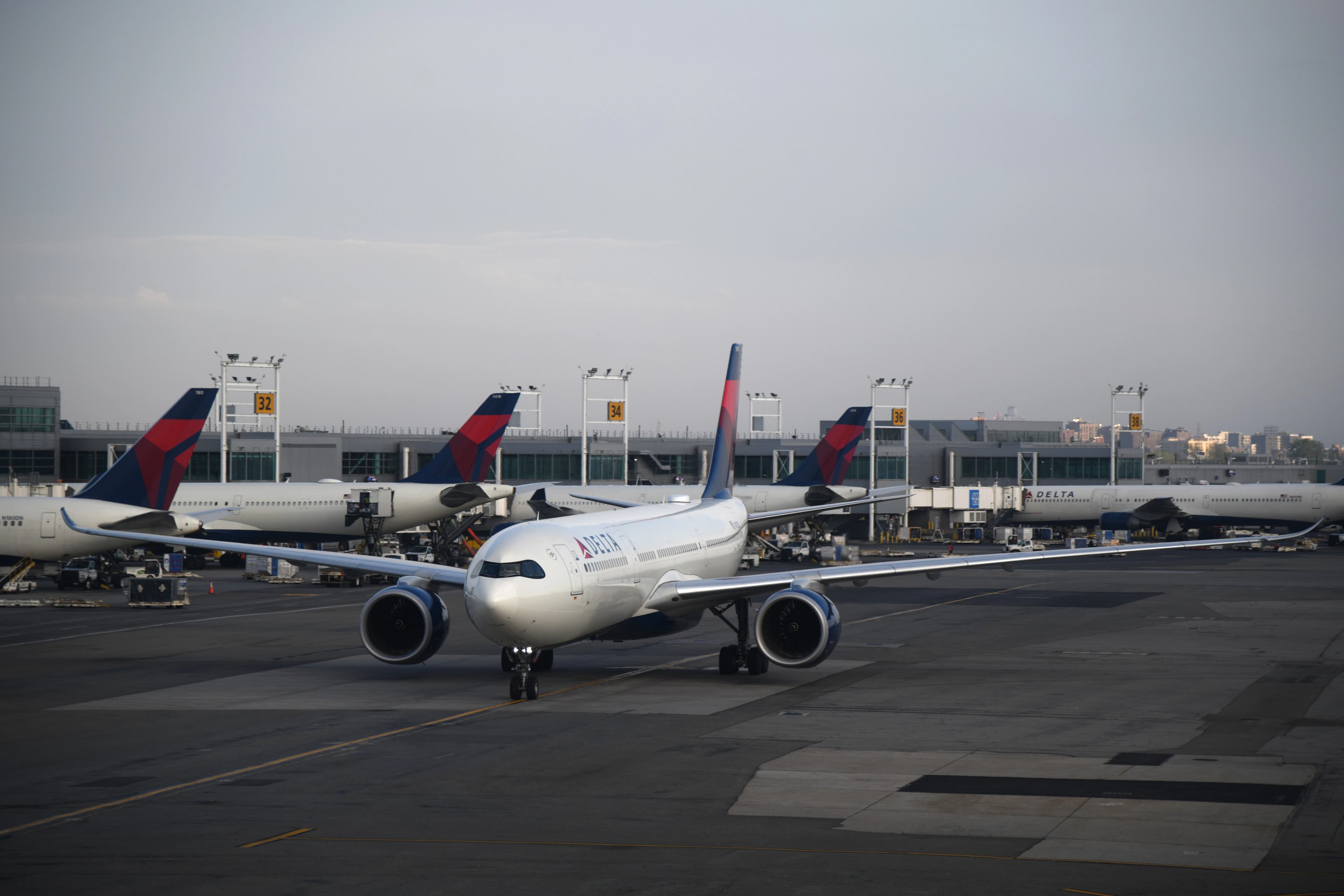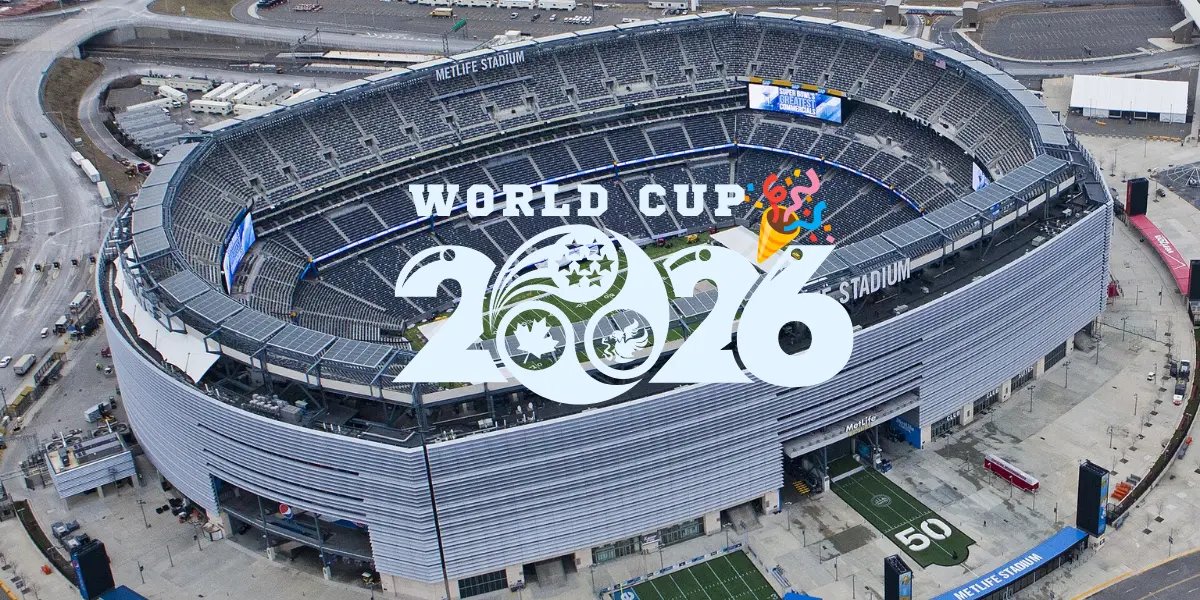
Transatlantic fares to US World Cup cities are running below last year's levels. Domestic US routes between those same cities are up 28–84 percent. If you book the wrong leg first, you overpay on the wrong flight.
This guide covers all 11 US host city airports, every key domestic route, the exact dates when prices will spike, and what each major carrier is doing differently so you can build a smarter plan before the bracket locks your options.
The 11 US Host Cities and Their Gateway Airports
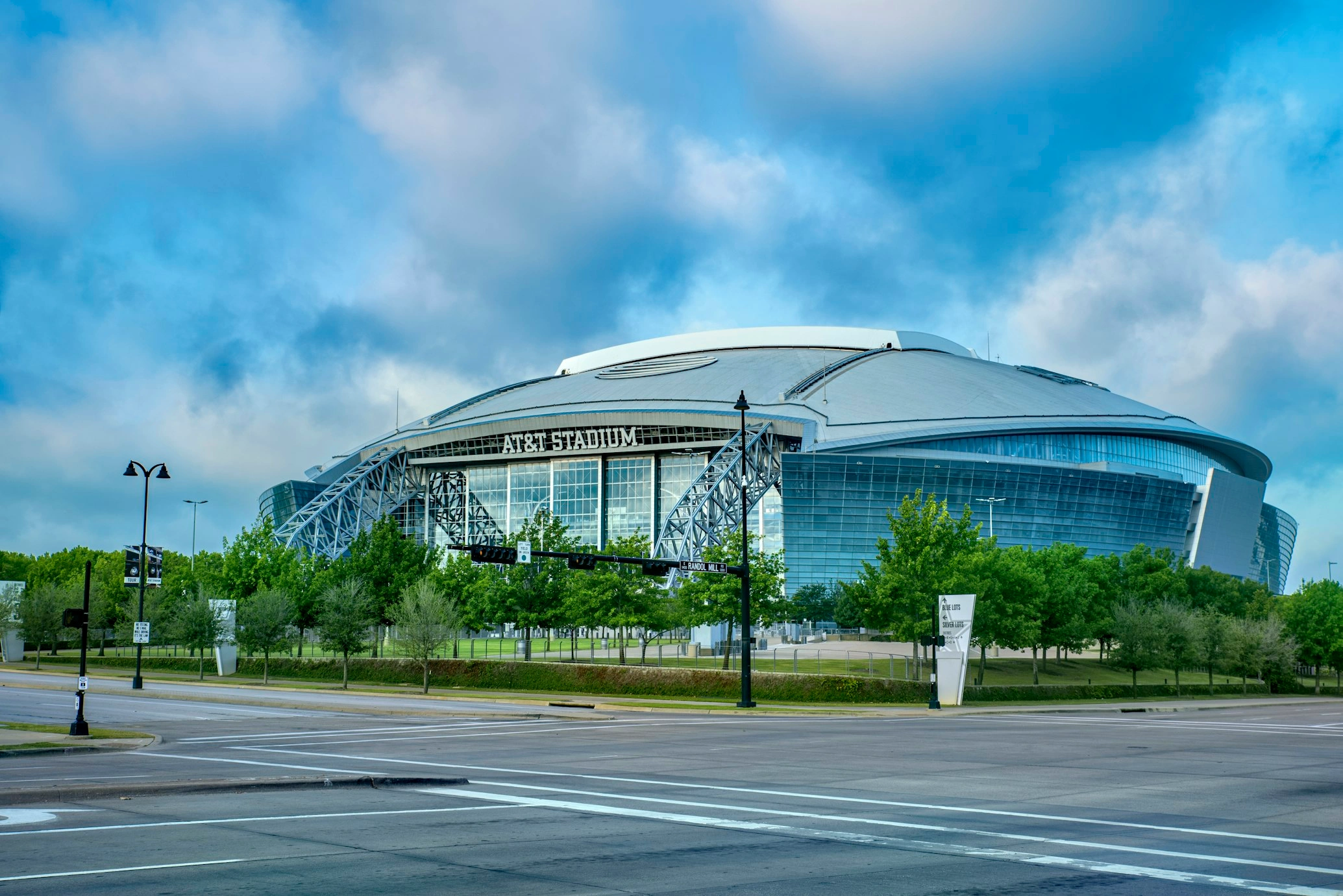
The United States hosts 11 of the 16 World Cup venues, spread from Boston to Seattle and Miami to Kansas City. Not all host city airports are equal. Four function as true international hubs. The rest are best reached by domestic connector.
Host City | Stadium | Airport Code | Tournament Role | Key Airlines |
New York/New Jersey | MetLife Stadium | EWR / JFK | Final July 19 | Delta, United, American, JetBlue |
Dallas | AT&T Stadium | DFW | Semifinal | American (hub), Southwest, Delta |
Atlanta | Mercedes-Benz Stadium | ATL | Semifinal | Delta (hub), American, United |
Los Angeles | SoFi Stadium | LAX | Quarterfinal + Group | United, Delta, American, Alaska |
Miami | Hard Rock Stadium | MIA | 3rd Place + Group | American, Delta, United |
Seattle | Lumen Field | SEA | Group + Knockout | Alaska (hub), Delta, United |
San Francisco Bay Area | Levi's Stadium | SFO | Group Stage | United (hub), Delta, American |
Houston | NRG Stadium | IAH | Group Stage | United (hub), Southwest |
Philadelphia | Lincoln Financial Field | PHL | Group + Quarterfinal | American (hub), Southwest |
Boston | Gillette Stadium | BOS | Group + Quarterfinal | JetBlue (hub), Delta, American |
Kansas City | Arrowhead Stadium | MCI | Group Stage | Southwest, American, Delta |
Source: FIFA official host city and venue list fifa.com
The Four Gateways That Handle International Volume
Dallas/Fort Worth (DFW) and Los Angeles (LAX) are the strongest entry points for transpacific arrivals. Miami (MIA) and the New York cluster (JFK/EWR) handle the majority of transatlantic and Latin American traffic. Atlanta (ATL) the world's busiest airport by passenger movements has become a key European fan gateway, with Delta routing Air France-KLM and Virgin Atlantic connections through it for the tournament.
For fans from Asia-Pacific, DFW offers the broadest transpacific connection network as a US entry point. For fans from Europe, New York and Atlanta are the two strongest options. Atlanta has the added advantage of hosting a semifinal at Mercedes-Benz Stadium, making it a match destination rather than just a layover city.
If you are flying long-haul on a wide-body aircraft into one of these hubs, the equipment matters on a 10-hour leg. The dominant aircraft on World Cup-period transatlantic and transpacific routes are the Boeing 787 and Airbus A350 and how the Boeing 787 and A350 compare on long-haul routes is worth reviewing before you choose between two airlines operating different equipment on the same corridor.
World Cup 2026 Flights USA: What Prices Are Doing Right Now
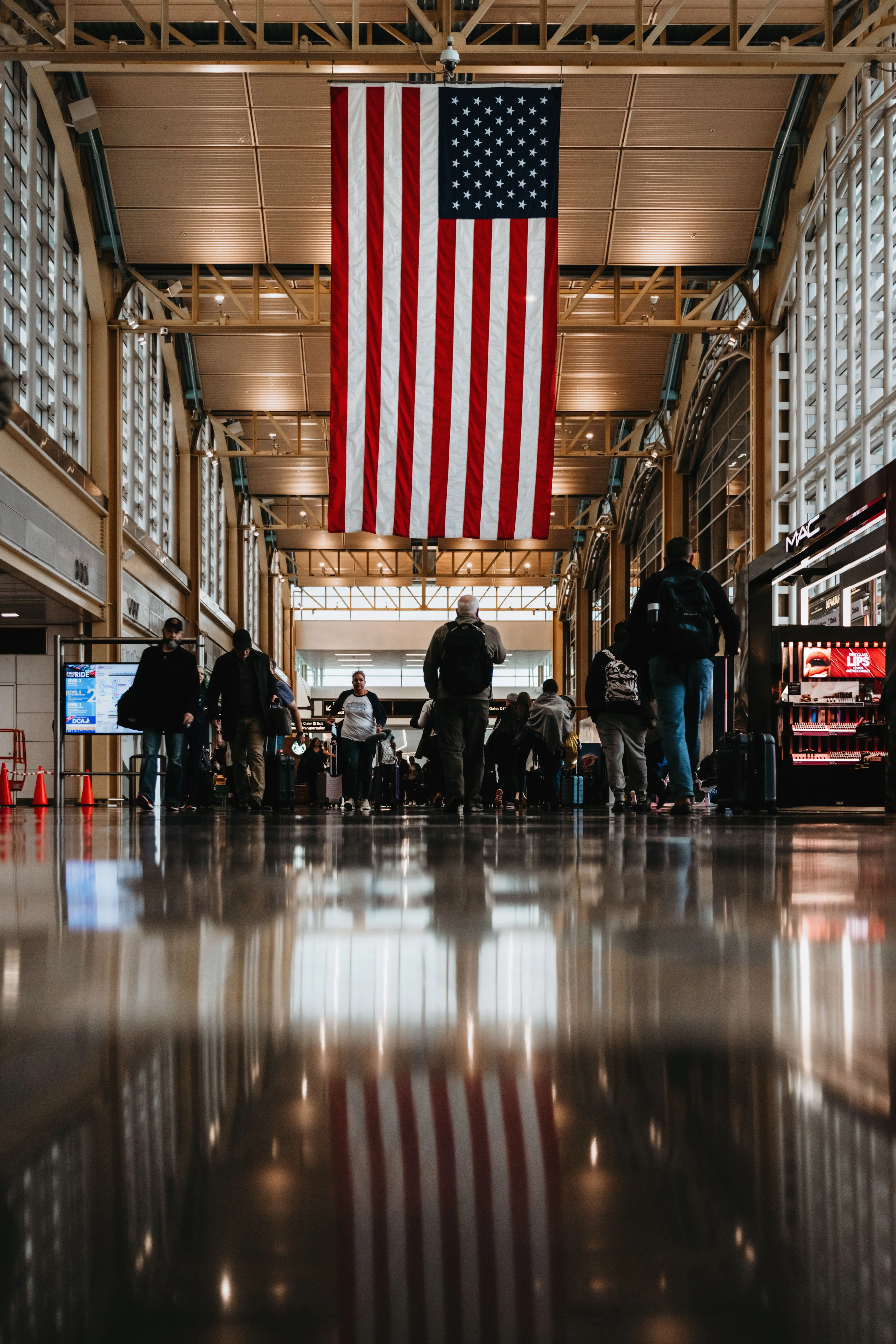
The price picture is counterintuitive and most travel guides are getting it backwards. International long-haul fares are softer than expected. Domestic US routes between host cities have surged well above normal summer levels.
OAG aviation data comparing June and July 2026 fares against the same months in 2025 shows transatlantic fares to eight of the 11 US host cities are running below last year. Dallas from Europe is approximately 4 percent lower than summer 2025. Kansas City is down 16 percent. Philadelphia is down 8.5 percent.
The reason is lower-than-projected international demand. An April 2026 survey by Upgraded Points found 37 percent of international respondents said they would be less likely to attend a World Cup in the United States, citing immigration concerns, safety perceptions, and total trip cost. That hesitation has kept long-haul fares from spiking the way projections expected.
Domestic US routes have moved in the opposite direction entirely.
Route | Low Fare Summer 2025 (USD) | Low Fare Summer 2026 (USD) | Change |
Dallas to other US host cities | ~$145 | ~$265 | +83% |
Miami domestic connectors | Baseline | +65% vs 2025 | +65% |
Boston domestic connectors | Baseline | +36% vs 2025 | +36% |
New York domestic connectors | Baseline | +28% vs 2025 | +28% |
Cash airfares overall are up 20.7 percent year-over-year in the US as of May 2026, per the Bureau of Labor Statistics Consumer Price Index. Average round-trip economy fares from within the US to major host cities are running approximately $350 to the New York area and $400 to Los Angeles and Mexico City for tournament-period itineraries, according to airfare monitoring platform Going.
Book the International Leg Now. Use Changeable Fares for Domestic Connectors.
The practical implication splits cleanly by leg type. Long-haul international fares carry the most price risk if you wait the window of relative softness will close as travel dates approach. Domestic connector fares benefit from a different approach: book the most likely option now with a changeable or refundable fare and adjust once the bracket confirms which city your team needs.
The four best-connected international entry points, in priority order:
New York (JFK/EWR): Highest transatlantic volume, hosts the Final on July 19
Dallas (DFW): Strongest transpacific hub, semifinal venue, central hub for domestic connections south and east
Miami (MIA): Dominant for Latin American arrivals, hosts the third-place match
Los Angeles (LAX): Best Asia-Pacific entry, multiple knockout-round matches at SoFi Stadium
Planning a transatlantic trip around the tournament? The same booking window principles apply to other high-demand summer routes. Our guide on the best time to book New York to Paris flights covers the exact seasonal dynamics that drive transatlantic pricing useful context for understanding why fares are softer than expected this summer.
Flying Between US Host Cities: Domestic Routes and Fare Ranges
Domestic connectors between hub cities and secondary host venues are currently the relative value in the World Cup travel market but that gap is closing. As brackets narrow and fan movements concentrate on fewer cities, demand spikes will move through secondary routes fast.
Southwest, Delta, United, and American connect all 11 US host cities with multiple daily flights. Direct route availability and departure frequency vary considerably by city pair.
From | To | Approx. Fare Range (June–July 2026) | Best Option | Notes |
New York (EWR/JFK) | Boston (BOS) | $180–$280 | JetBlue, Delta | Amtrak Acela is comparable see below |
New York (EWR/JFK) | Philadelphia (PHL) | $120–$200 | American, Southwest | Amtrak NEC is faster city-to-city |
Dallas (DFW) | Houston (IAH) | $130–$220 | Southwest, American | Multiple daily directs |
Dallas (DFW) | Kansas City (MCI) | $160–$260 | Southwest direct | Best low-cost option on this route |
Los Angeles (LAX) | Seattle (SEA) | $200–$350 | Alaska, Delta, United | Alaska has the most frequency |
Los Angeles (LAX) | San Francisco Bay Area (SFO) | $120–$200 | United, Southwest | Check southwest.com not on aggregators |
Miami (MIA) | Atlanta (ATL) | $150–$250 | Delta, American | Delta positioning fans for ATL semifinal |
Atlanta (ATL) | Philadelphia (PHL) | $160–$270 | Delta, American | Watch quarterfinal demand spike July 8–11 |
Northeast Corridor: Fly Less, Travel Smarter
For fans moving between New York, Philadelphia, and Boston three of the four quarterfinal-or-above venues in the northeast domestic flights are the wrong choice. Amtrak's Acela and Northeast Regional services connect all three cities downtown to downtown. Boston to New York by Acela runs approximately 3.5 hours. New York to Philadelphia runs under 1.5 hours on the Northeast Regional.
When airport check-in time, security queues, and ground transit to the stadium are included, rail beats flying on each of these routes. On World Cup match days, road congestion around stadiums becomes severe and airline schedules have no buffer. Lock in Amtrak reservations now Northeast Corridor trains sell out weeks in advance on major event weekends.
The Knockout Round Surge: Exact Dates When Prices Will Move
World Cup flight demand does not build gradually. It concentrates in specific windows tied to the bracket structure. Knowing these dates is the most actionable single piece of information for planning World Cup 2026 flights USA.
Tournament Phase | Dates | High-Demand Cities | What Happens to Flights |
Group Stage | June 11–June 30 | All 11 US cities | Elevated but dispersed across venues |
Round of 32 | July 1–4 | Varies | July 4 overlap adds +50–100% in Philadelphia, Boston, northeast |
Round of 16 | July 5–8 | TBD by bracket | Fan consolidation begins; fewer cities, sharper demand |
Quarterfinals | July 8–11 | TBD | First sharp spike; Dallas, Atlanta, Miami most likely focal points |
Semifinals | July 13–16 | Dallas + Atlanta | Worst domestic pricing of the entire tournament |
Final | July 19 | New York/New Jersey | EWR and JFK at peak demand; hotel and flight prices at maximum |
Source: Tournament schedule per FIFA.com; fare impact analysis per OAG and market data, June 2026
The July 4 weekend is a specific compounding pressure point. Philadelphia, Boston, and the northeast already command summer premiums in any normal year. The Round of 32 overlap with Independence Day weekend in 2026 pushes fares 50–100 percent above that already-elevated baseline. This is not a projection it is what current market data already shows.
For the semifinals specifically: the honest advice is to book Dallas and Atlanta flights now regardless of which teams advance to that stage. The price difference between booking today and booking after quarterfinal results confirm is large, and seat supply on those routes is not deep.
How the Four Major US Carriers Are Positioned
Airlines are not adding capacity uniformly. Each major carrier has made deliberate hub decisions that affect route availability and pricing for fans.
Delta has concentrated additional capacity on the transatlantic corridor and is routing Air France-KLM and Virgin Atlantic connections through Atlanta and New York. European fans whose team reaches the Atlanta semifinal have a direct pipeline through Delta's network. For long-haul travel from Europe, Delta's alliance positioning at ATL gives it the best seat availability on transatlantic legs into the tournament.
United Airlines is prioritizing Pacific hub positions in San Francisco (SFO) and Houston (IAH). For fans from Brazil, Argentina, Mexico, and other Latin American countries, United's Houston hub offers the most direct routing into the southern US cluster. For Asian fans, SFO connects naturally to Seattle and Los Angeles matches.
American Airlines controls two of the most strategically important venues: Dallas (DFW hub, AT&T Stadium semifinal) and Philadelphia (PHL hub, quarterfinal). Its domestic reach through DFW is the widest of any US carrier for inter-city connections across the central and southern cluster.
Southwest does not appear on Google Flights, Kayak, Expedia, or any standard aggregator. Fans comparing prices on those platforms are not seeing Southwest fares at all. For routes like Dallas to Kansas City, Los Angeles to San Francisco Bay Area, and Atlanta to Miami, Southwest is frequently the lowest-cost option. Go to southwest.com directly before finalizing any domestic booking.
For fans flying in on Asian carriers and weighing the two dominant Japanese airlines for transpacific routing, the ANA vs JAL comparison covers schedule density, business class product differences, and award availability factors that matter when choosing your gateway carrier from Tokyo or Osaka into Dallas or Los Angeles.
International Fans: Immigration, Entry Requirements, and the Fare Opportunity
The entry environment for international fans in 2026 is materially different from previous World Cups held in Europe or South America, and it is directly affecting fare pricing.
The Upgraded Points survey found 49 percent of international respondents said the US hosting the tournament makes them less excited overall about attending. Those responses, aggregated across markets, have translated into lower-than-expected booking volumes on long-haul international routes and lower fares as a result.
For fans who are able and willing to travel, this is a real pricing window on international legs. However, it makes domestic connector planning more critical, not less. Fans who do attend are more likely to follow their team across multiple US cities as the bracket progresses, concentrating demand on specific domestic routes.
Entry requirements vary by nationality. Visa Waiver Program country citizens must hold a valid ESTA. Non-VWP travelers require a US visa, with processing times that vary significantly by consulate and nationality. Check entry requirements for your specific country via the FIFA official venue page at fifa.com, which maintains the most current host country entry information.
Key booking checklist for international fans:
Book your long-haul gateway flight first that leg carries the most price risk
Use changeable domestic connector fares until your team's bracket position is confirmed
Fly into one of the four primary international gateways (New York, Dallas, Miami, Los Angeles)
Plan long-haul 5–8 months in advance; domestic connectors can follow 2–3 months out
If you are routing through Seoul before a transpacific leg, what to expect flying through Incheon in transit is worth reading before you finalize a multi-stop connection
The World Cup Final: New York, July 19 Getting to MetLife Stadium
MetLife Stadium in East Rutherford, New Jersey, hosts the Final on July 19. This is the highest-demand travel window of the entire tournament, and flight planning for it is different from any other venue.
Newark (EWR) is Delta's major hub in the New York area and provides the most direct airport-to-stadium routing via NJ Transit rail. The AirTrain at EWR connects to NJ Transit's Northeast Corridor line, from which the Meadowlands Sports Complex stop is a direct ride. NJ Transit runs additional stadium service on match days.
JFK handles the highest volume of transatlantic arrivals and connects to Manhattan via AirTrain and subway. From Midtown, NJ Transit rail to the stadium runs 35–45 minutes. Budget at least 1.5–2 hours from JFK to your seat on Final day, accounting for crowd density at every connection point.
Ground transport by rideshare from either airport to the stadium will likely exceed $100 on match day. Surge pricing at MetLife events is well-documented and consistently severe. Do not rely on Uber or Lyft as your primary plan for this specific day.
Accommodation near the stadium for Finals week is already priced at approximately three times normal summer rates. The practical alternative: book a hotel 40–60 minutes from the stadium served by NJ Transit in central New Jersey, or in Philadelphia and use rail both ways. The per-night savings are often $300–400.
Conclusion: Your Decision Framework by Traveler Type
The right World Cup 2026 flight strategy depends directly on where you are traveling from and how many matches you plan to follow.
If you are flying from Europe: International fares are soft by historical standards, but that will not last indefinitely. Book your transatlantic gateway now. New York and Atlanta are your strongest entry points depending on your team's group assignments. Use changeable domestic fares for all onward legs.
If you are flying from Asia-Pacific or Latin America: Dallas and Los Angeles are the strongest transpacific entries. United's Pacific hub network and American's DFW reach give you the most domestic flexibility. Book long-haul now; domestic connectors can wait until Round of 16 city assignments are clearer.
If you are US-based: Domestic route prices are already elevated and will move higher around key match windows. If you are attending either semifinal regardless of which teams play, book Dallas and Atlanta flights now with changeable fares. For the northeast corridor New York, Philadelphia, Boston book Amtrak rather than flights.
If you are attending only the Final: Book EWR or JFK flights immediately. Hotel inventory near MetLife at reasonable prices is effectively exhausted. Plan ground transport via NJ Transit and budget $100 or more for any rideshare leg on the day itself.
For more route analysis, airline strategy, aircraft comparisons, and aviation travel guides including our full breakdown of the future of business class on international routes explore everything at airgazette
Frequently Asked Questions
What are the best gateway airports for international fans flying to World Cup 2026?
The four strongest international gateways are New York (JFK/EWR), Dallas/Fort Worth (DFW), Miami (MIA), and Los Angeles (LAX). New York handles the highest transatlantic volume and hosts the Final. Dallas is the strongest transpacific hub. Atlanta is a strong secondary option for European fans, with Delta routing Air France-KLM and Virgin Atlantic connections through it for the tournament.
Are World Cup 2026 flight prices higher than normal?
It depends entirely on which leg. Transatlantic fares to eight of the 11 US host cities are running below summer 2025 levels due to softer-than-expected international demand. Domestic US routes between host cities are 28–84 percent above last year's comparable summer prices, with Dallas domestic connectors showing the steepest increases.
When is the worst time to book World Cup 2026 flights?
The highest-pressure booking windows are the July 4 weekend overlapping with the Round of 32, the quarterfinal dates of July 8–11, and the semifinal window of July 13–16. The Final weekend at MetLife Stadium on July 19 is the single most expensive flight and accommodation window of the entire tournament.
Which airlines are adding the most World Cup capacity?
Delta has concentrated additional transatlantic capacity and routes European fans through Atlanta and New York via Air France-KLM and Virgin Atlantic partnerships. United is prioritizing Pacific hub positions in San Francisco and Houston. American controls the two semifinal hub airports Dallas and Philadelphia and has the widest domestic reach for central and southern US routing.
Is it cheaper to fly or take the train between northeastern host cities?
For New York to Philadelphia and New York to Boston, Amtrak is faster and frequently cheaper than flying when airport check-in and ground transit time are included. The Acela runs Boston to New York in approximately 3.5 hours. New York to Philadelphia runs under 1.5 hours on the Northeast Regional. On World Cup match days, rail also avoids the severe congestion that surrounds host airports and stadiums.
What is the cheapest US host city to base yourself in for the World Cup?
Kansas City consistently ranks as the most affordable US host city by total trip cost lower hotel rates, lower food costs, and far less flight demand than coastal hubs. It is also geographically central, making it a practical base for fans following a multi-city schedule through the group stage.
How do I get the best fare for multi-city World Cup travel?
Book a round-trip international ticket to your primary gateway rather than separate one-way international legs. Use changeable domestic connector fares until your team's bracket position is confirmed. Check southwest.com directly before finalizing any domestic booking Southwest fares do not appear on Google Flights, Kayak, or Expedia, and the airline is frequently the cheapest option on central and southern US routes.